
Five press freedom trends journalists should watch in 2026
JournalismPakistan.com | Published: 18 February 2026 | JP Staff Report
Join our WhatsApp channel
Analysis of the 2025 World Press Freedom Index and verified developments into early 2026 shows journalists face converging threats: expanded legal controls, newsroom economic strain, platform-driven distribution shifts, and ongoing harassment and surveillance.Summary
ISLAMABAD — Press freedom conditions remain under sustained pressure worldwide as governments tighten regulatory controls, economic pressures reshape newsrooms, and digital platforms play an increasingly decisive role in information flows.
Analysis of the latest 2025 World Press Freedom Index, combined with verified developments from late 2025 and early 2026, shows that structural challenges facing journalism are not isolated incidents but part of broader, interconnected trends.
According to the 2025 World Press Freedom Index by Reporters Without Borders, global press freedom conditions remain difficult in many regions, with economic fragility and political pressure cited as major constraints on independent reporting. Meanwhile, UNESCO and the Committee to Protect Journalists continue to document killings, legal harassment, and surveillance targeting journalists in multiple countries over the past year.
Here are five press freedom trends that journalists and media organizations should monitor closely in 2026.
Legal pressure expands through regulatory reforms
Governments are increasingly using legal and regulatory frameworks to shape media environments. In several countries, amendments to digital laws, cybersecurity rules, and licensing regulations have broadened state oversight of news platforms and online speech.
In 2025, multiple jurisdictions introduced or strengthened digital platform regulations affecting news distribution and content moderation. While governments often frame such laws as necessary to combat misinformation or protect national security, media advocacy groups have warned that vague language and expansive enforcement powers can limit independent reporting.
The trend toward legal and administrative pressure rather than overt censorship reflects a shift in how restrictions are implemented. Journalists should expect closer scrutiny of compliance obligations, data storage rules, and digital publishing requirements in 2026.
Economic fragility deepens newsroom vulnerability
The financial sustainability of journalism remains a central concern. The 2025 World Press Freedom Index highlighted economic pressure as one of the key structural threats to press freedom, noting that fragile business models make newsrooms more susceptible to political or corporate influence.
Advertising revenue continues to migrate to global technology platforms, while local news organizations in many countries struggle to maintain staffing levels. Publicly available industry analyses and reports from media associations in 2025 show that newsroom layoffs and restructuring remain common in both developed and emerging markets.
As 2026 unfolds, economic instability may lead to consolidation, reduced investigative capacity, and greater reliance on sponsored or partnership-driven content. For journalists, understanding ownership structures and funding transparency will be critical.
Digital platforms as gatekeepers of news
Technology platforms remain central to how audiences access journalism. Policy shifts by major companies, including changes in content moderation practices and news partnerships, have significantly influenced traffic flows and revenue models over the past year.
In several markets, platform decisions to limit or reconfigure news content visibility have directly affected publisher reach. At the same time, governments are negotiating or implementing regulatory frameworks aimed at compelling platforms to compensate news outlets or adhere to national media standards.
The evolving relationship between publishers and platforms is likely to remain a defining issue in 2026. Newsrooms must monitor algorithm changes, platform policy updates, and regulatory developments that affect distribution and monetization.
Surveillance and digital security risks
Journalists continue to face digital surveillance threats, including spyware and intrusive monitoring tools. Investigations by international media consortia and digital rights organizations in late 2025 have documented cases in which journalists were targeted using advanced surveillance technologies.
UNESCO has repeatedly emphasized the growing risks of online harassment, gender-based digital abuse, and unlawful surveillance targeting media workers. As reporting increasingly relies on digital communication tools, cybersecurity training and source protection protocols are becoming essential newsroom investments.
In 2026, digital security is expected to remain a central component of press freedom debates, particularly in regions where journalists cover corruption, national security, or political unrest.
Polarization and public trust challenges
Declining public trust in media institutions continues to affect press freedom indirectly. Polarized political climates in multiple democracies have led to increased hostility toward journalists, both online and offline.
Public opinion research published in 2025 by international research organizations indicates that trust in news varies widely across regions, with misinformation and political rhetoric often intensifying skepticism toward traditional media outlets.
When public trust erodes, journalists face heightened risks of harassment, reduced audience engagement, and political efforts to delegitimize independent reporting. In 2026, rebuilding trust through transparency, fact-checking, and community engagement will remain a strategic priority for many news organizations.
WHY THIS MATTERS: For Pakistani journalists and media organizations, these global trends underscore the need to strengthen legal literacy, diversify revenue streams, and invest in digital security. As regulatory scrutiny and economic pressure intensify worldwide, newsrooms in Pakistan can draw lessons on transparency, compliance, and resilience. Monitoring global developments also helps anticipate policy shifts that may affect regional media landscapes.
ATTRIBUTION: This article references publicly available data and reports from Reporters Without Borders (2025 World Press Freedom Index), UNESCO publications on journalist safety, and the Committee to Protect Journalists’ verified monitoring reports from late 2025 and early 2026.
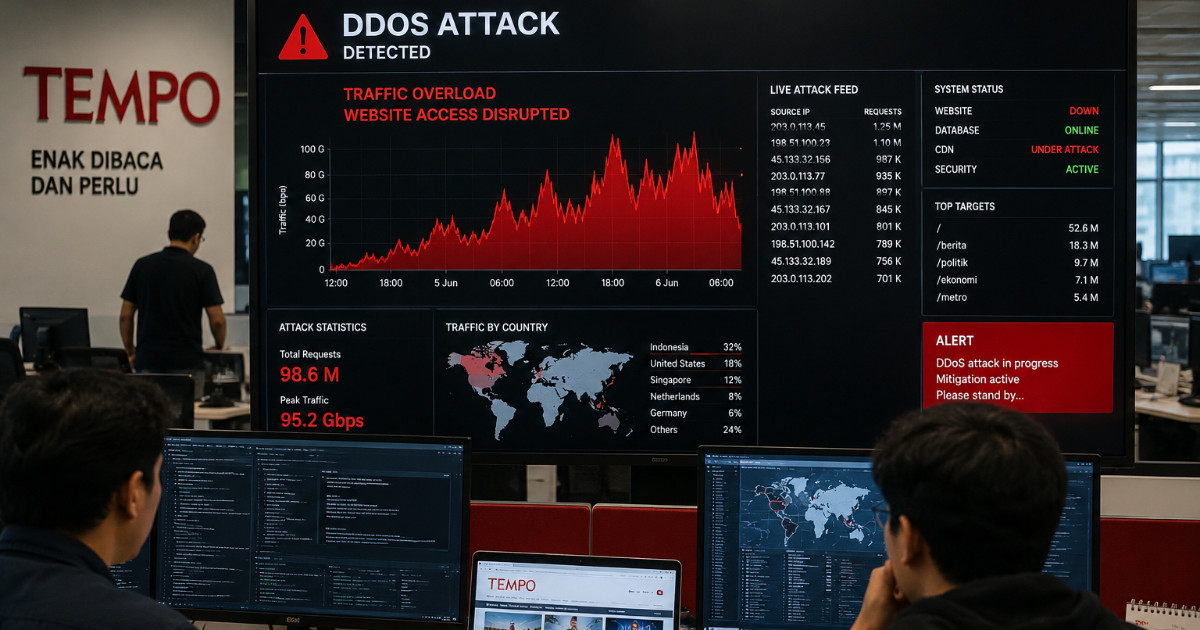
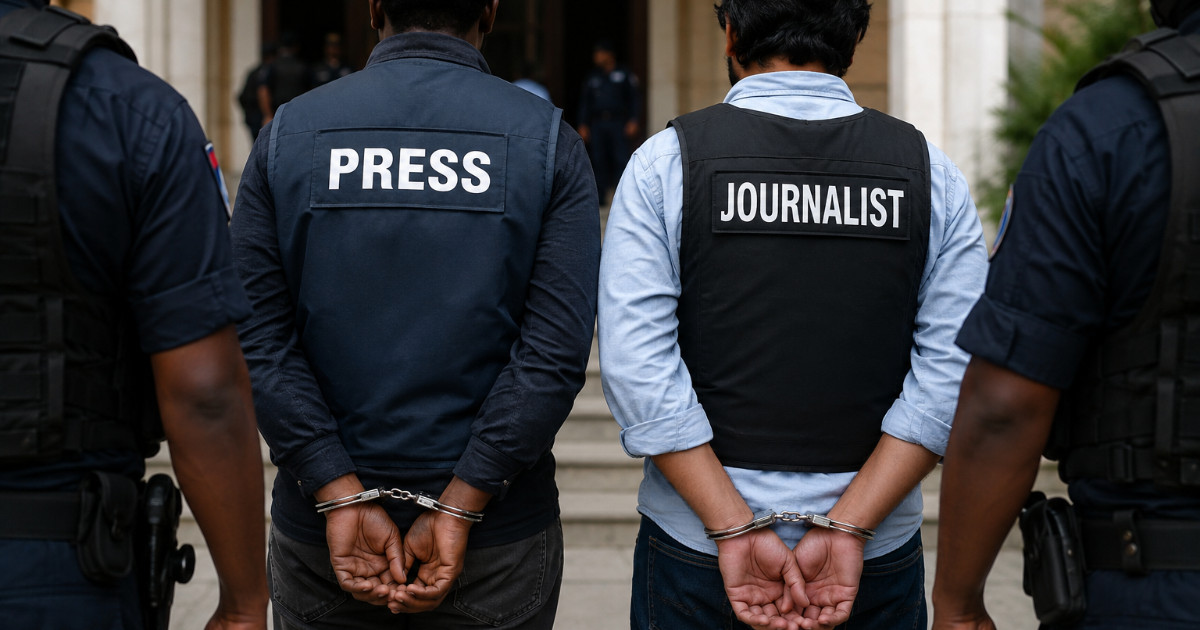
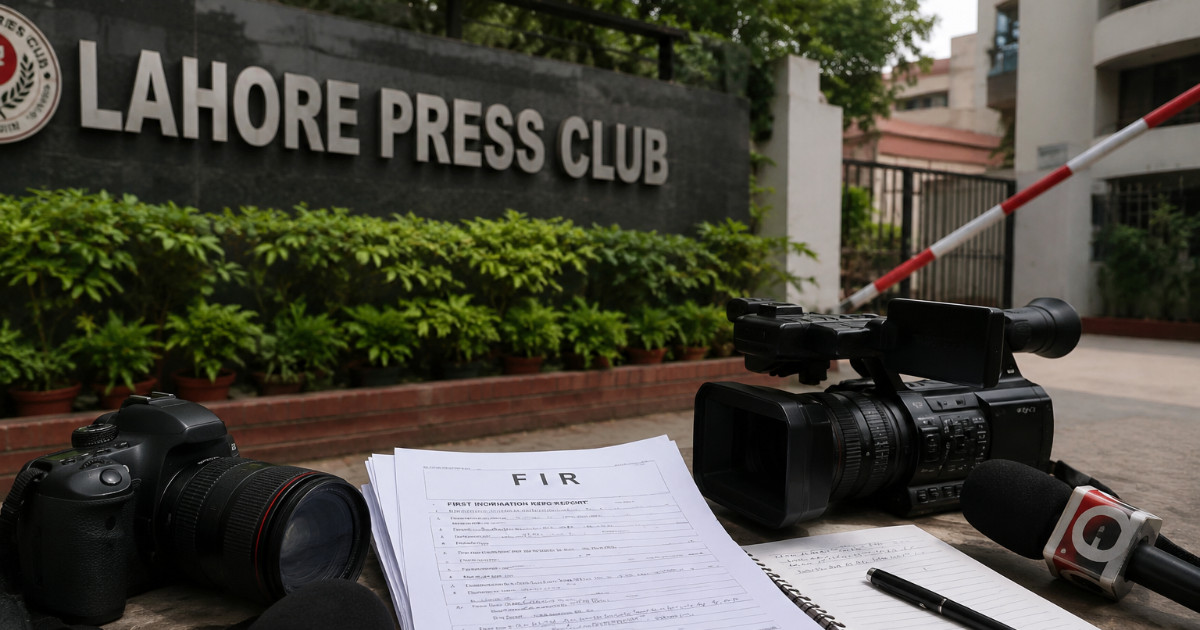
PHOTO: AI-generated; for illustrative purposes only.
Key Points
- Legal frameworks are broadening state oversight through digital, cybersecurity, and licensing reforms.
- Platform regulation and moderation rules are reshaping how news is distributed and accessed.
- Economic pressures, declining revenue, and newsroom cuts are weakening investigative capacity.
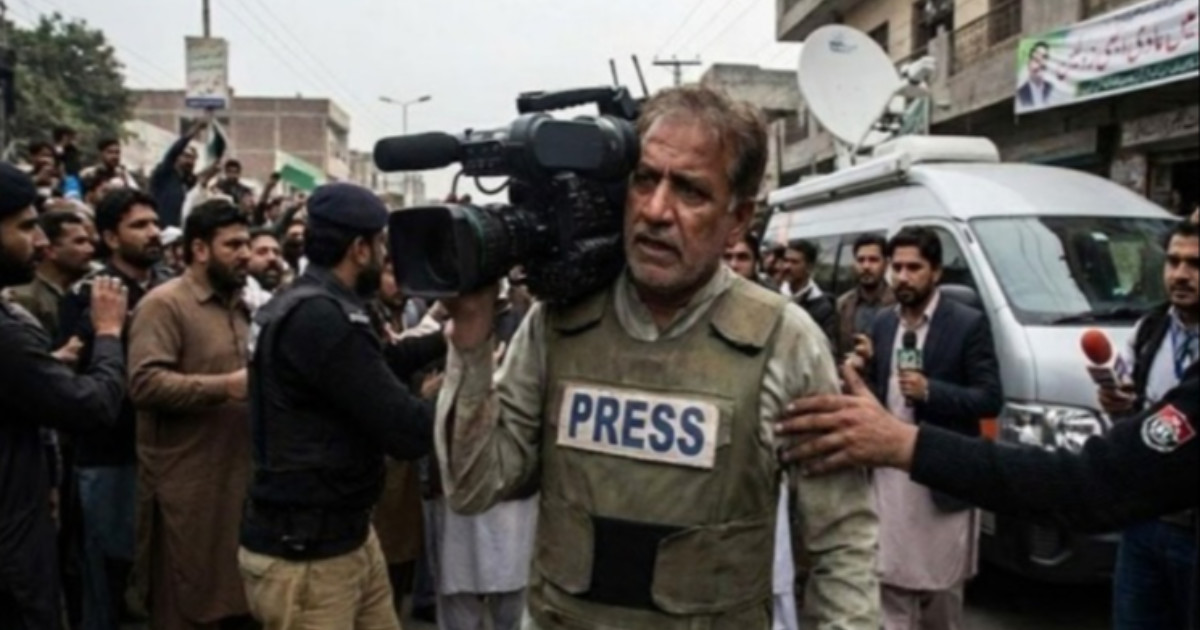
- Surveillance, legal harassment, and physical attacks on journalists remain persistent threats.
- Media outlets should monitor laws, diversify revenue, and strengthen security and legal support.
Key Questions & Answers
What are the main trends journalists should watch in 2026?
Expanded legal controls, platform regulation, economic strain on newsrooms, and persistent harassment and surveillance are the primary trends to monitor.
How can journalists and newsrooms respond?
They should track regulatory changes, diversify funding, invest in digital and physical security, and secure legal support where possible.
Are platform regulations solely intended to combat misinformation?
No; while many laws are framed to address misinformation or security, some expand state oversight and can limit independent reporting.
Has journalist safety improved recently?
No, international monitors continue to record killings, arrests, legal harassment and surveillance targeting journalists in multiple countries.
Relevant Topics
Ask AI: Understand this story your way
AI EnabledDig deeper, ask anything — get instant context, background, and clarity.
Disclaimer: This feature is powered by AI and is intended to help readers explore and understand news stories more easily. While we strive for accuracy, AI-generated responses may occasionally be incomplete or reflect limitations in the underlying model. This feature does not represent the editorial views of JournalismPakistan. For our full, verified reporting, please refer to the original article.