.png)
Cartoonists 'first victims' of crackdowns on press
JournalismPakistan.com | Published: 6 May 2017
Join our WhatsApp channel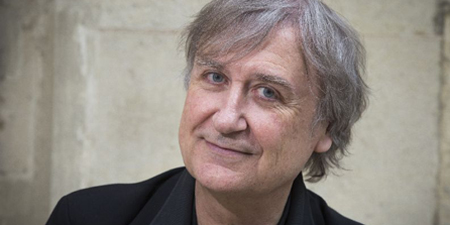
A new report reveals that cartoonists are often the first victims of government crackdowns on free speech in multiple countries. The report from Cartooning for Peace emphasizes the dangers faced by artists worldwide in the current political climate.Summary
PARIS - Ten countries including Russia, Turkey, and India have been condemned for censoring, locking up or threatening cartoonists in a new report published Friday.
The Cartooning for Peace group said cartoonists were increasingly becoming the victims of repressive crackdowns on free speech.
The watchdog's first annual global report also documents attacks on freedom of expression in Kenya, Venezuela, Egypt, Malaysia, Jordan, Ecuador and Burkina Faso.
Its founder, the French cartoonist Plantu -- who set up the group a decade ago with former United Nations chief Kofi Annan -- told AFP that his peers were in danger across the globe.
Cartoonists were the canary in the mineshaft, he said, "often the first to be threatened" by authoritarian governments.
"Finally for the last few days we in Europe are worrying about what has been happening in Venezuela," added Plantu, whose work appears on Page One of the French daily Le Monde.
"For six years we have been trying to defend the cartoonist Rayma," who was first targeted by Hugo Chavez and has since fled to Florida after being threatened by his successor, President Nicolas Maduro.
The report also highlights the case of Turkish cartoonist Musa Kart, who has been jailed since October with colleagues from the liberal daily Cumhuriyet on accusations of "collusion with a terrorist organization".
The newspaper incurred the wrath of Turkish President Recep Tayyip Erdogan for running a story about a shipment of arms intercepted at the Syrian border, allegedly bound for Islamic extremists.
The report was also highly critical of Malaysia's Sedition Act, which it said has been used to try to silence journalists.
It said the Malaysian cartoonist Zunar has been subject to nearly a decade of persecution, travel bans and harassment for his work criticizing official corruption.
"Whether their cartoons concern politics, the economy, sports or religion, cartoonists are confronted with the same threats as journalists who cover sensitive subjects," the group said in a statement.
Cartoonists are always on the front line, it said, the victims of "censorship, attacks, imprisonment, exile, disappearances and, in the worst cases, even murder."
Last week the press freedom watchdog Reporters Without Borders warned that the media has never been as threatened as it is now, undermined by increased surveillance and the rise of authoritarian leaders across the globe. - AFP/Image: French cartoonist Plantu, a founder of Cartooning for Peace.
Key Points
- Ten countries condemned for censoring cartoonists including Russia, Turkey, and India.
- The report calls cartoonists 'the canary in the mineshaft' for free speech.
- Specific cases include persecuted artists in Turkey and Malaysia.
- Increased surveillance and authoritarianism threaten press freedom globally.
- The report warns that cartoonists are at risk of imprisonment and violence.
Relevant Topics
Ask AI: Understand this story your way
AI EnabledDig deeper, ask anything — get instant context, background, and clarity.
Disclaimer: This feature is powered by AI and is intended to help readers explore and understand news stories more easily. While we strive for accuracy, AI-generated responses may occasionally be incomplete or reflect limitations in the underlying model. This feature does not represent the editorial views of JournalismPakistan. For our full, verified reporting, please refer to the original article.