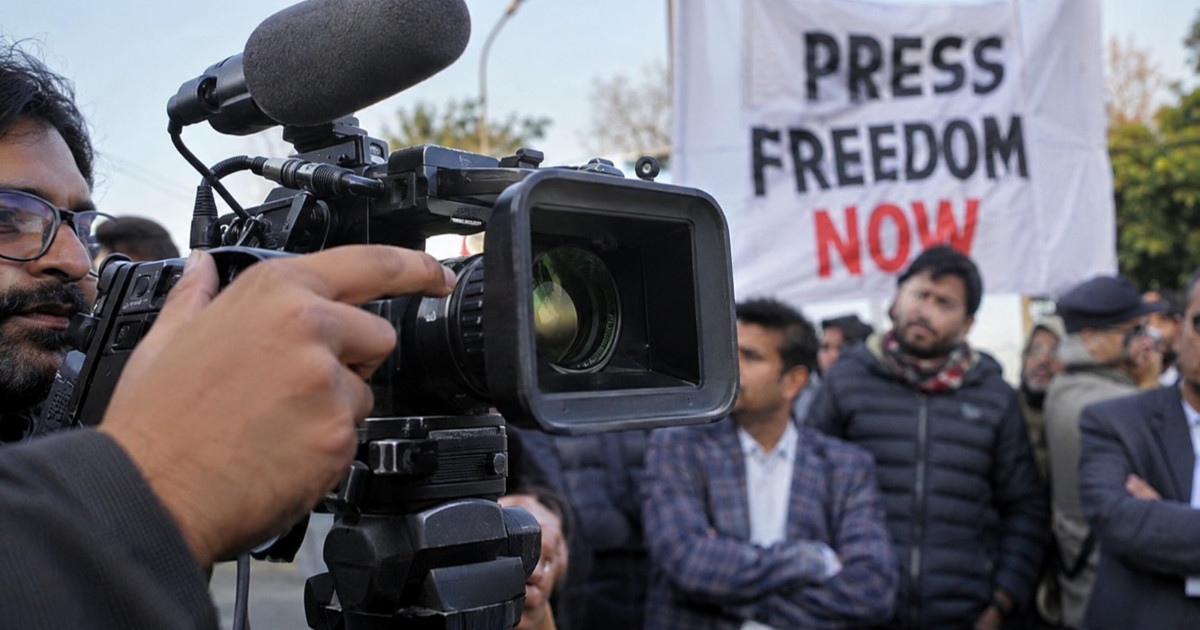


Bangladesh cyber law draft raises press freedom fears
JournalismPakistan.com | Published: 27 September 2026 | JP Asia Desk
Join our WhatsApp channel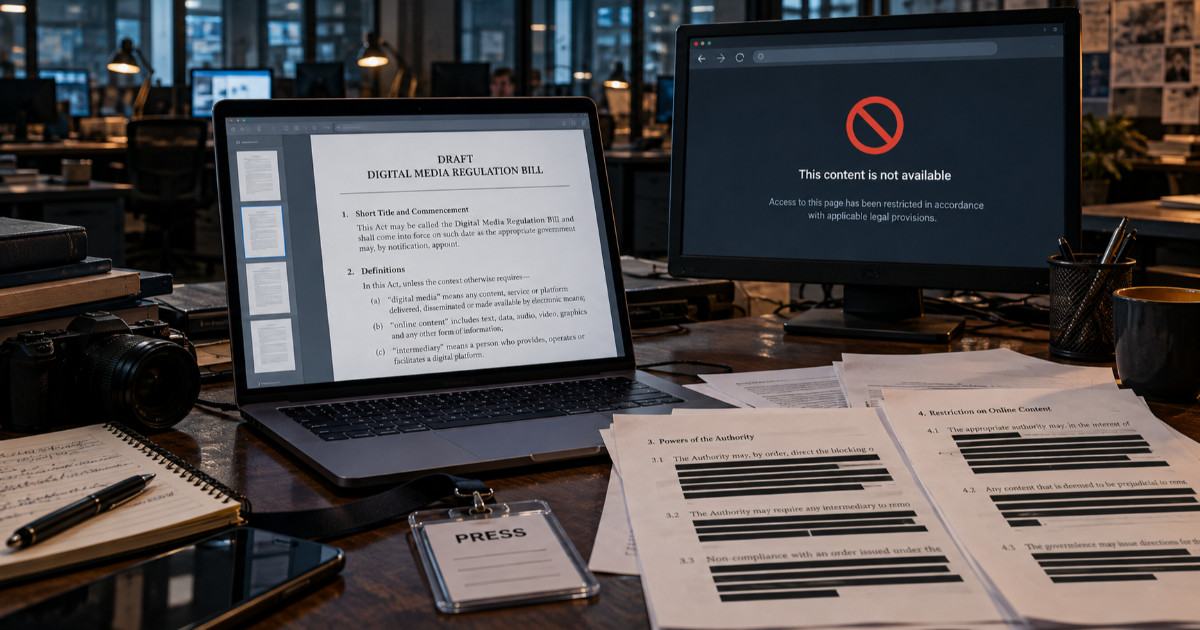
Journalists, editors, academics and rights advocates warned that proposed amendments to Bangladesh's Cyber Security Act could deepen self‑censorship and hinder reporting by criminalising vague provisions on misinformation, defamation, arrest and content removal.Summary
DHAKA — Journalists, editors, academics and human rights advocates in Bangladesh have warned that proposed changes to the country’s cyber law could deepen self-censorship and obstruct legitimate reporting unless broad provisions on misinformation, defamation, arrest and content removal are revised.
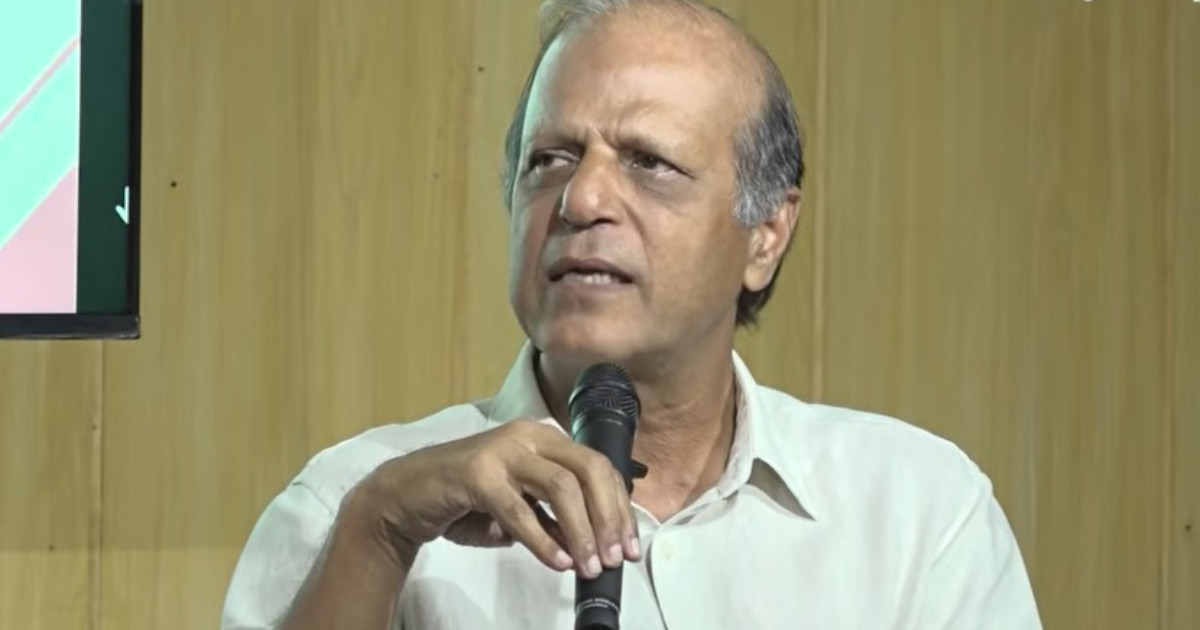
The concerns were raised at a forum organized by the Broadcast Journalist Center, where participants examined provisions of the proposed Cyber Security Act amendments. Prime Minister’s Information and Broadcasting Adviser Zahed Ur Rahman acknowledged that questions remained about enforcement and said the draft had not yet been passed, leaving room for further changes.
Definitions and arrest powers draw scrutiny
The BJC called for a review of Section 26(A), saying the law should clearly establish how authorities would determine whether information was false or unverified and when its publication by a journalist, researcher or citizen would become an offense. It argued that unverified information should not be criminalized in sweeping terms and called instead for stronger access to official information, fact-checking and responsible journalism.
The organization also proposed removing references to defamation and humiliation from Section 25, which addresses the protection of women and children. Participants sought written reasons and prior notice before content is removed, as well as access to independent judicial review. Human rights lawyer Sara Hossain also raised concern about powers allowing arrest without a warrant and said defamation should not be treated as a criminal offense.
Government leaves door open to revisions
Newspaper Owners Association of Bangladesh President Matiur Rahman Chowdhury warned that the draft could make reporting the truth more difficult and encourage journalists to censor themselves. The Daily Star Editor and Publisher Mahfuz Anam said cybercrime required an effective legal response, but safeguards were essential to prevent restrictions on freedom of expression.
Zahed defended the need for legislation by pointing to cases in which online rumors had contributed to communal violence. He nevertheless acknowledged uncertainty over how misinformation and disinformation would be defined and how immediate content-blocking powers would operate in practice.
The adviser said an earlier provision allowing authorities to explain a blocking decision within three days had been removed and replaced with an appeals mechanism. He also said the government should consider concerns raised by the media and civil society while monitoring implementation of any new law.
The debate now centers on whether lawmakers will convert those assurances into enforceable safeguards before adopting the amendments. Media representatives say the test will be whether the final text targets demonstrably harmful conduct without turning disputed or critical reporting into a criminal matter.
ATTRIBUTION: This report is based on reporting by The Business Standard published on September 26, 2026, and statements made at a Broadcast Journalist Center discussion in Dhaka the same day.
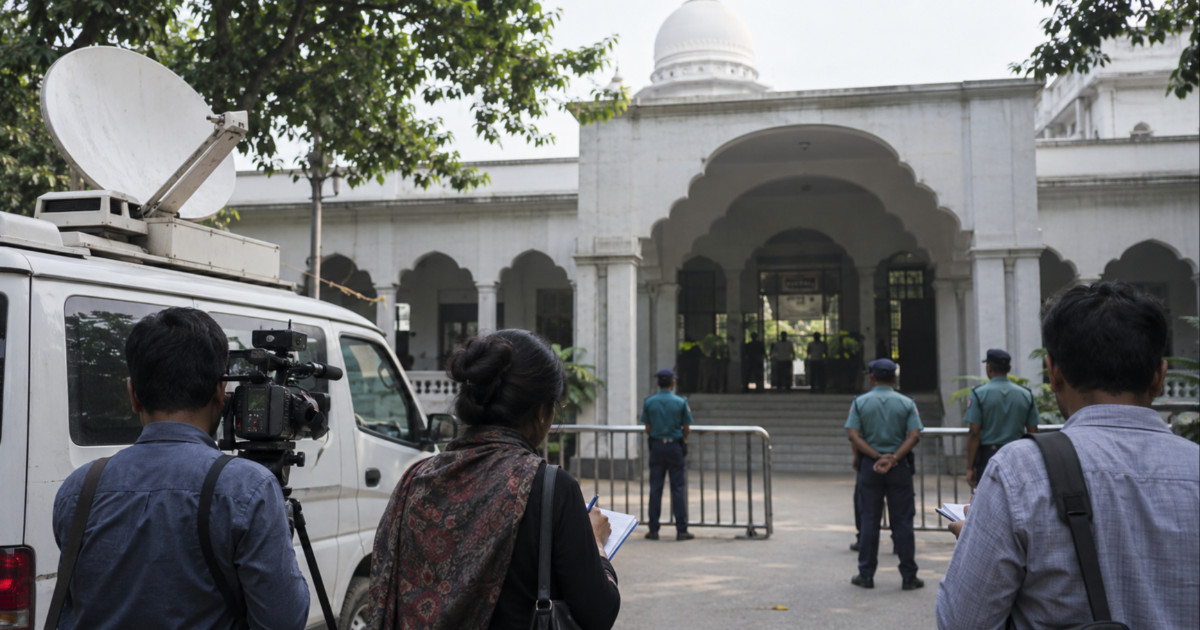
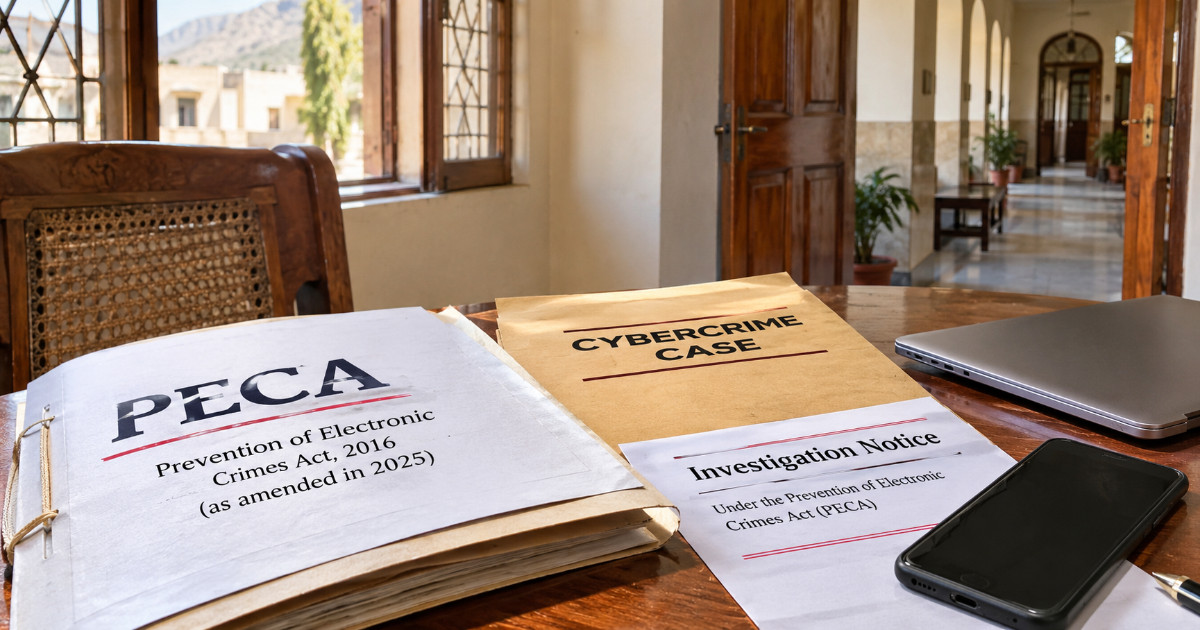
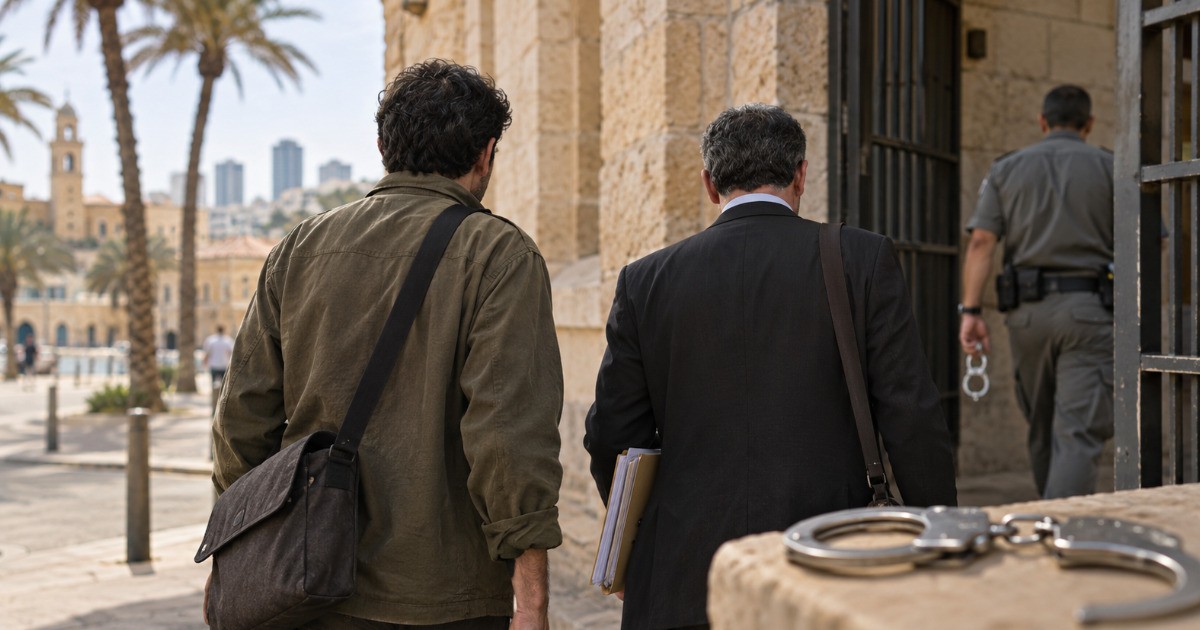
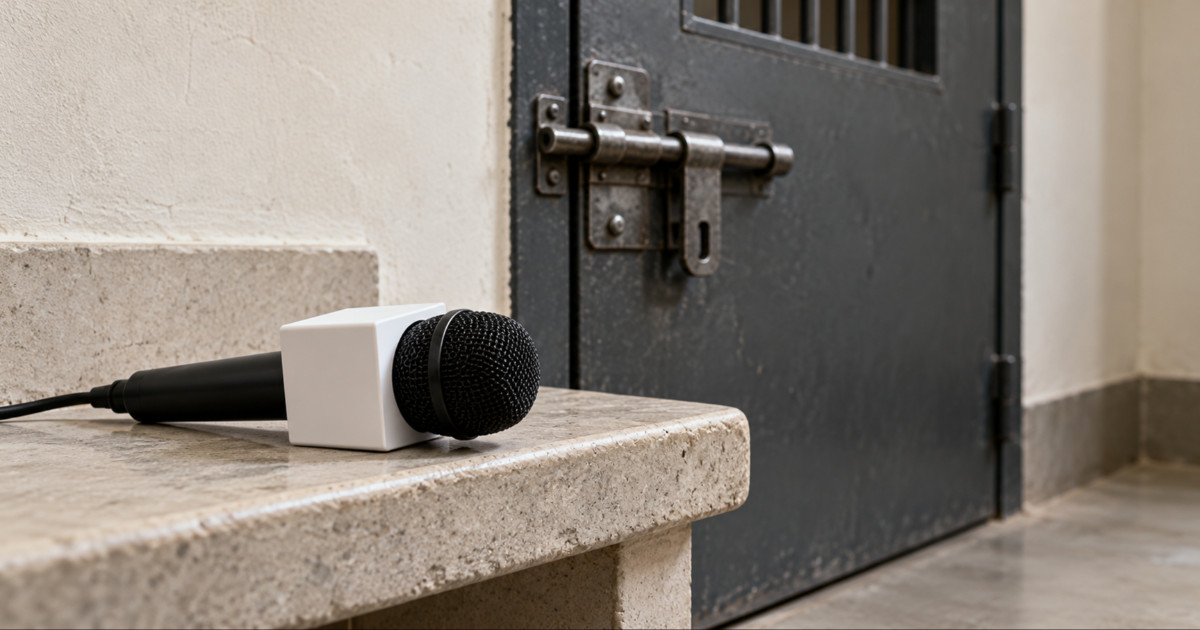
PHOTO: AI-generated; for illustrative purposes only
Key Points
- Participants at a Broadcast Journalist Center forum flagged broad, unclear provisions in the draft Cyber Security Act amendments.
- Section 26(A) raised concerns over how authorities would judge false or unverified information and when publication becomes an offence.
- The BJC urged removal of references to defamation and humiliation in Section 25 and better access to official information and fact‑checking.
- Calls were made for prior notice, written reasons, and independent judicial review before content removal and against warrantless arrest powers.
- Government adviser Zahed Ur Rahman said the draft is not yet passed, indicating room for further changes.
Key Questions & Answers
What are the main concerns about the draft law?
Critics say vague definitions on misinformation and defamation, broad arrest powers and content‑removal rules could lead to self‑censorship and block legitimate reporting.
Which sections drew particular scrutiny?
Section 26(A) was questioned for its handling of false or unverified information, and Section 25 was criticised for references to defamation and humiliation.
What changes are activists and journalists asking for?
They want clearer definitions, removal of defamation from certain clauses, stronger access to official information, fact‑checking support, prior notice for takedowns and judicial review of removals.
Has the government responded to these concerns?
Prime Minister's adviser Zahed Ur Rahman acknowledged outstanding enforcement questions and said the draft has not yet been passed, leaving scope for amendments.
Relevant Topics
Ask AI: Understand this story your way
AI EnabledDig deeper, ask anything — get instant context, background, and clarity.
Disclaimer: This feature is powered by AI and is intended to help readers explore and understand news stories more easily. While we strive for accuracy, AI-generated responses may occasionally be incomplete or reflect limitations in the underlying model. This feature does not represent the editorial views of JournalismPakistan. For our full, verified reporting, please refer to the original article.