.png)
Arab states tighten digital content laws, raising concerns over press freedom
JournalismPakistan.com | Published: 7 November 2025 | JP Middle East Desk
Join our WhatsApp channel
Arab countries are implementing stricter laws governing digital content, affecting influencers and online media. Advocates fear these regulations may undermine press freedom and editorial independence.Summary
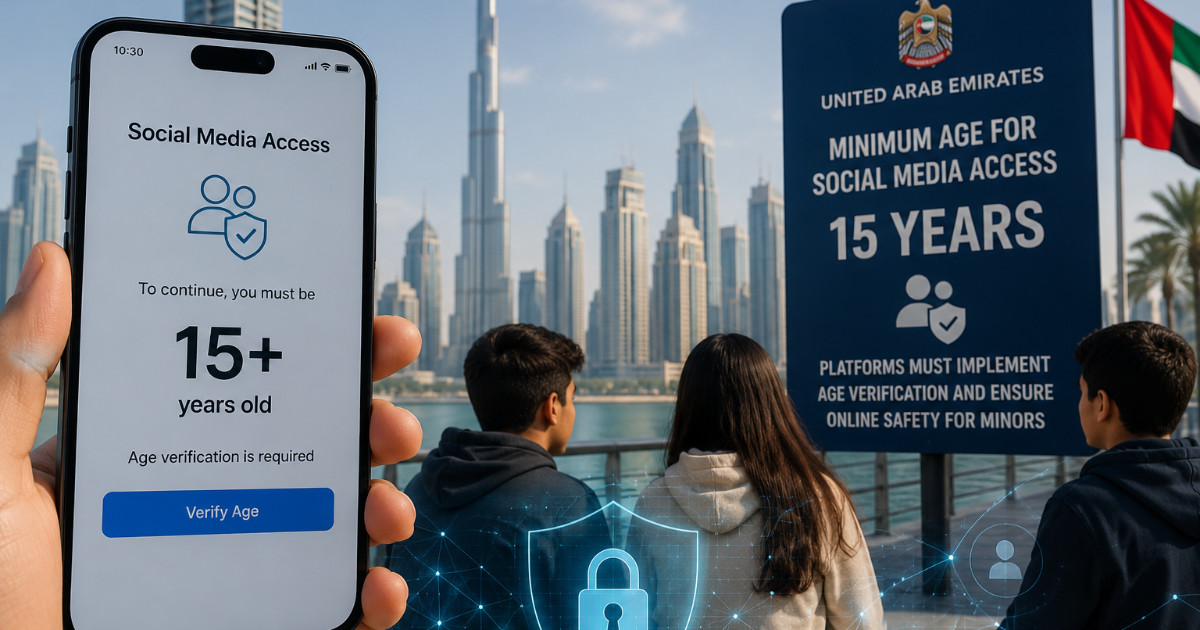
DUBAI – Arab states are tightening control over digital content and online expression through new laws targeting influencers, media platforms, and online creators, according to a recent report by the Norwegian media development organization Mimeta.
Countries including the United Arab Emirates, Saudi Arabia, and Egypt have either introduced or expanded legal frameworks governing social media activity, digital media publishing, and what they describe as “moral” or “national identity” protection.
Authorities say the new measures are intended to preserve public ethics and prevent misinformation. However, media freedom advocates argue that the growing regulatory wave could erode editorial independence and blur the line between influencer marketing and professional journalism. The changes are also seen as part of a broader strategy by Gulf governments to control narratives and tighten oversight of digital platforms.
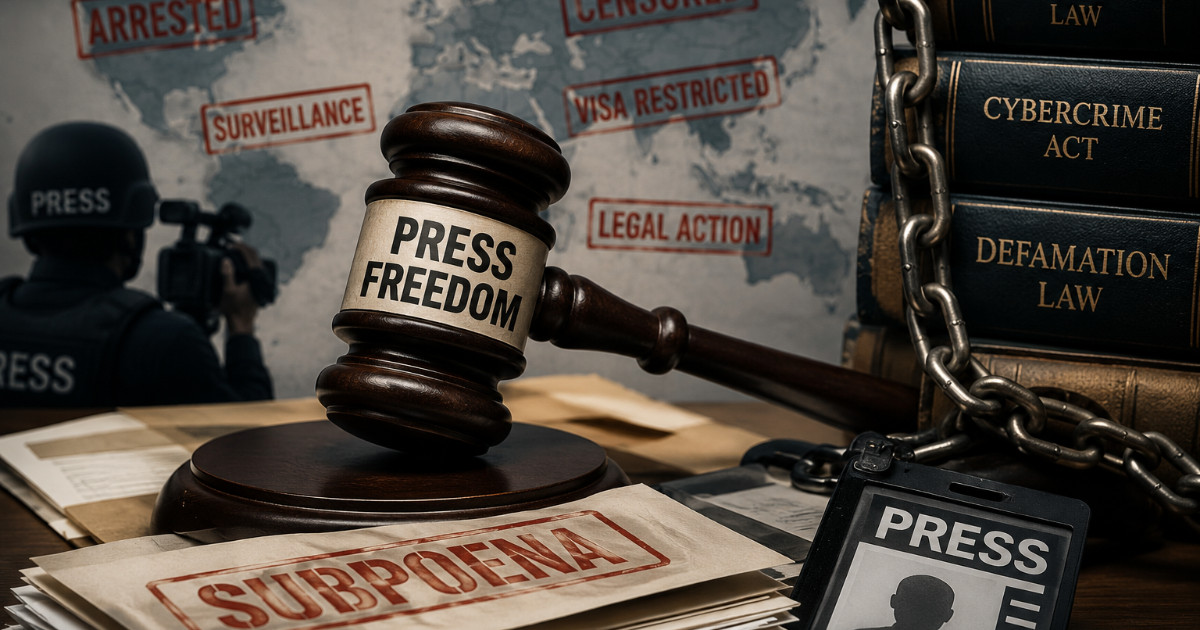
Analysts warn that such controls, while framed as moderation policies, can indirectly function as censorship tools. They note that stricter licensing requirements and penalties for “unauthorized” content may limit the ability of independent journalists and online newsrooms to publish freely. For media professionals operating in or covering the Gulf region, compliance and self-censorship are becoming increasingly significant operational challenges.
Mimeta’s report calls on regional authorities to ensure that regulation does not infringe on journalistic autonomy or restrict the diversity of online information sources. It also urges international organizations to monitor how digital governance policies are impacting freedom of expression across the Middle East.
Key Points
- New laws target influencers and online media platforms in Arab states.
- Countries like UAE, Saudi Arabia, and Egypt are expanding legal frameworks.
- Authorities claim measures aim to preserve public ethics and prevent misinformation.
- Media advocates warn of erosion of editorial independence and potential censorship.
- Mimeta calls for regulation that supports journalistic autonomy.
Relevant Topics
Ask AI: Understand this story your way
AI EnabledDig deeper, ask anything — get instant context, background, and clarity.
Disclaimer: This feature is powered by AI and is intended to help readers explore and understand news stories more easily. While we strive for accuracy, AI-generated responses may occasionally be incomplete or reflect limitations in the underlying model. This feature does not represent the editorial views of JournalismPakistan. For our full, verified reporting, please refer to the original article.