
African editors warn press freedom erosion deepens
JournalismPakistan.com | Published: 27 February 2026 | JP Global Monitoring
Join our WhatsApp channel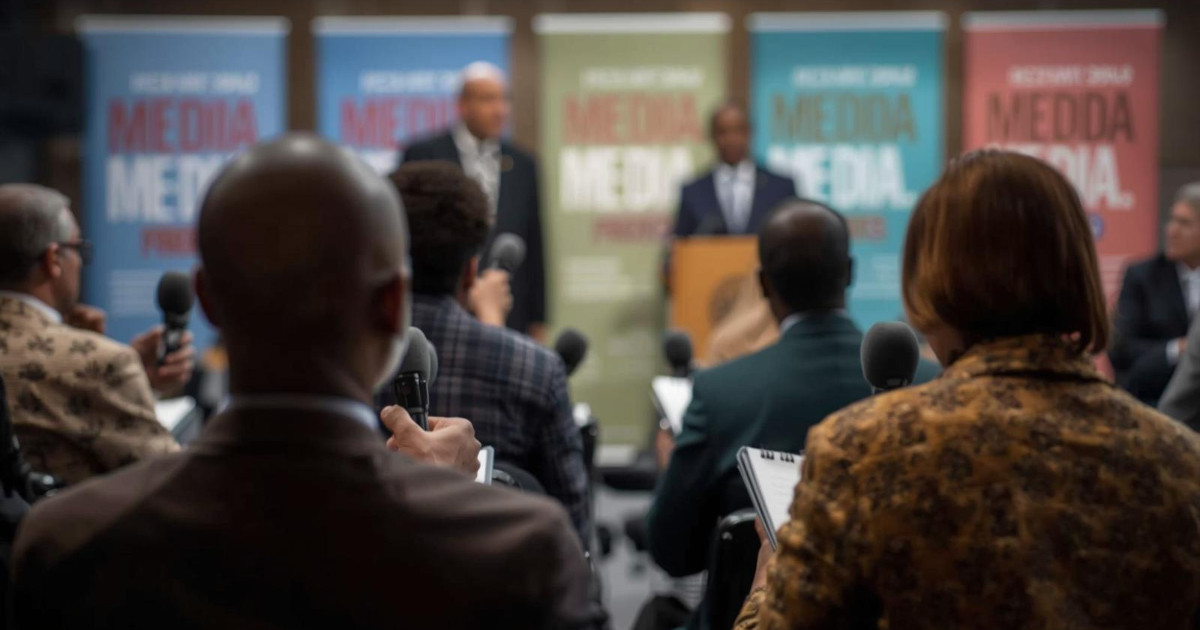
Media leaders across Africa warned that press freedom is deteriorating in several countries, citing legal harassment, regulatory pressure and political interference that weaken independent journalism. They cited legal and economic tools fueling self-censorship.Summary
NAIROBI — Media leaders from across Africa have publicly warned that press freedom conditions are deteriorating in multiple countries, citing legal harassment, regulatory pressure, and political interference that are weakening independent journalism and undermining public trust.
Representatives speaking through regional editors’ forums and national media associations said the pressures range from restrictive media laws and criminal defamation cases to the suspension of outlets and intimidation of reporters covering elections, corruption, and security issues. While the specific dynamics differ by country, they described a broader continental pattern of shrinking civic space affecting newsrooms’ ability to operate freely.
Rising legal and regulatory pressure
The concerns come amid recent global assessments that show continued strain on press freedom worldwide. In its latest annual index, Reporters Without Borders documented serious or very serious press freedom situations in a significant number of countries, including several in Africa, pointing to economic fragility of media outlets, state interference, and legal constraints as structural challenges.
Editors said criminal charges against journalists, the use of cybercrime and anti-terrorism laws in media-related cases, and high licensing fees for broadcasters have contributed to self-censorship and financial instability. In some countries, public advertising remains a key revenue source, making independent outlets vulnerable to political influence when state advertising is withdrawn or selectively allocated.
Impact on elections and public trust
Media leaders stressed that the erosion of press freedom has direct implications for electoral integrity and governance, particularly in countries holding national or local polls. Restrictions on reporting, delays in accreditation, and threats against investigative reporters can limit voters’ access to verified information during critical political periods.
They also highlighted the cross-border consequences for regional reporting networks. African newsrooms often collaborate on investigative projects and share content across borders; when one country imposes restrictive measures, it can disrupt joint reporting initiatives and reduce the flow of reliable information across the continent.
International media development organizations have repeatedly warned that economic sustainability is now intertwined with editorial independence. Shrinking advertising markets, currency pressures, and digital platform dominance have compounded legal risks, forcing many outlets to scale back investigative reporting or close entirely.
Calls for reform and solidarity
Editors’ representatives called on governments to review laws that criminalize journalism, ensure transparent media regulation, and protect journalists from harassment. They also urged regional bodies, including the African Union, to strengthen enforcement of existing commitments to freedom of expression under continental human rights frameworks.
While acknowledging progress in some countries, media leaders said a coordinated response is needed to prevent further decline. They emphasized the importance of newsroom solidarity, legal defense funds, and cross-border partnerships to counter mounting pressure.
WHY THIS MATTERS: For Pakistani journalists and media organizations, the African experience underscores how legal tools, regulatory bodies, and state advertising can shape newsroom independence. It highlights the need for diversified revenue models, strong editors’ forums, and regional collaboration to withstand political and economic pressure. The trend also offers lessons on how press freedom debates increasingly intersect with digital regulation and election coverage.
ATTRIBUTION: This report is based on recent public statements from African editors’ forums and assessments from Reporters Without Borders’ latest World Press Freedom Index and related publicly available reports.
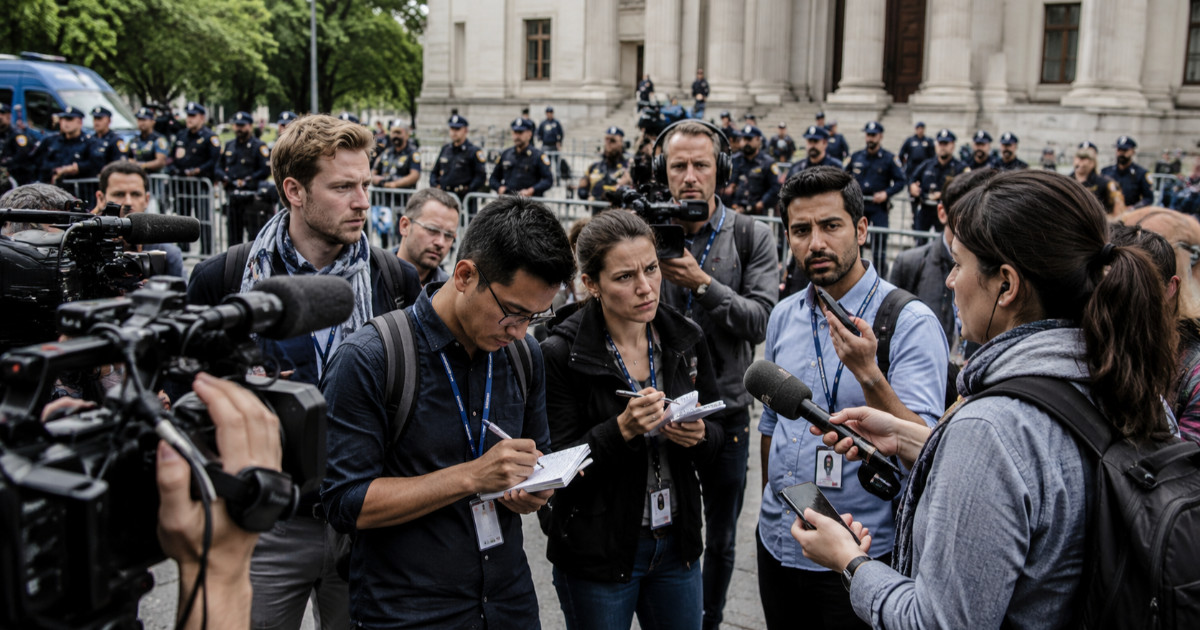
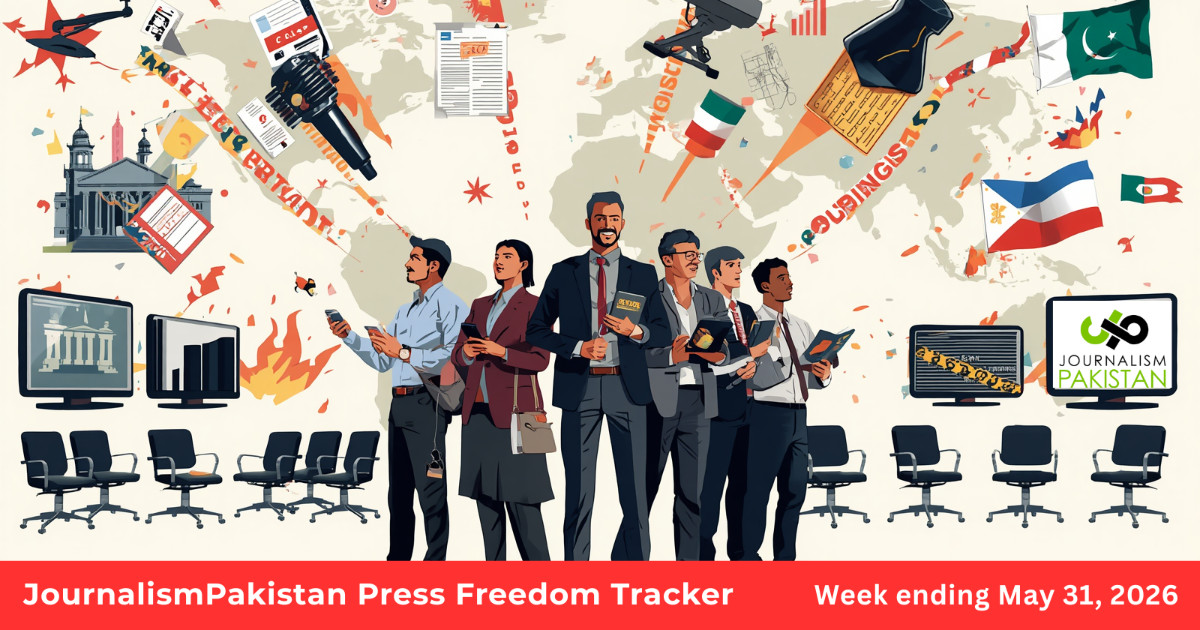
PHOTO: AI-generated; for illustrative purposes only.
Key Points
- Editors warn of deteriorating press freedom across several African countries.
- Legal harassment includes criminal defamation, cybercrime and anti-terrorism laws used against journalists.
- Regulatory pressure features high licensing fees and suspensions of outlets.
- Economic leverage such as selective public advertising drives self-censorship and financial instability.
- Intimidation and interference undermine reporting on elections, corruption and security issues.
Key Questions & Answers
What are editors warning about?
They warned that press freedom is eroding across multiple countries due to legal, regulatory and political pressures.
Which legal tools are cited?
Criminal defamation, cybercrime and anti-terrorism laws are cited as being used in media-related cases against journalists.
How does public advertising affect media independence?
Reliance on state advertising can make outlets vulnerable when funds are withdrawn or allocated selectively, prompting self-censorship.
What impacts are observed on journalists?
Reporters face intimidation, suspensions and legal cases that weaken reporting on elections, corruption and security issues.
Relevant Topics
Ask AI: Understand this story your way
AI EnabledDig deeper, ask anything — get instant context, background, and clarity.
Disclaimer: This feature is powered by AI and is intended to help readers explore and understand news stories more easily. While we strive for accuracy, AI-generated responses may occasionally be incomplete or reflect limitations in the underlying model. This feature does not represent the editorial views of JournalismPakistan. For our full, verified reporting, please refer to the original article.