
Indian media grapples with AI ethics in newsrooms Media warn Democratic bill could chill press freedom Kashmiri journalist Irfan Mehraj marks 1,000 days jailed South Korea passes tougher penalties for false media reports Israel extends foreign media restriction law to 2027 CPJ urges probe into attacks on Bangladesh media China bans obscene content sharing on private messaging Indonesian journalists urge fair policies to support media RSF warns over 500 journalists will spend holidays in prison Assaults on journalists in U.S. surge during 2025 protests Indian media grapples with AI ethics in newsrooms Media warn Democratic bill could chill press freedom Kashmiri journalist Irfan Mehraj marks 1,000 days jailed South Korea passes tougher penalties for false media reports Israel extends foreign media restriction law to 2027 CPJ urges probe into attacks on Bangladesh media China bans obscene content sharing on private messaging Indonesian journalists urge fair policies to support media RSF warns over 500 journalists will spend holidays in prison Assaults on journalists in U.S. surge during 2025 protests
Logo
Janu
Making Sense of the Media World

When satire sank two editors

 JournalismPakistan.com |  Published 4 years ago

Join our WhatsApp channel

When satire sank two editors

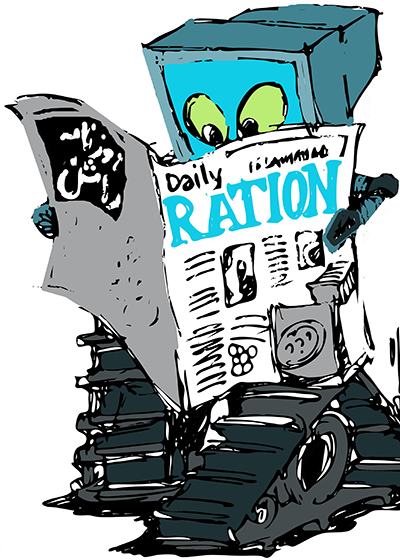
ISLAMABAD—Making fun of official edicts can prove costly. Way back in 1949, journalists Ahmad Bashir and Tufail Ahmad Khan learnt the hard lesson and paid with their jobs.

Narrating the incident in his book The Press in Chains, Zamir Niazi, says the senior non-conformist journalist, Ahmad Bashir, recalls an incident when he was editor of the Nawa-e-Waqt publications’ weekly journal, Qandil, along with Tufail Ahmad Khan.

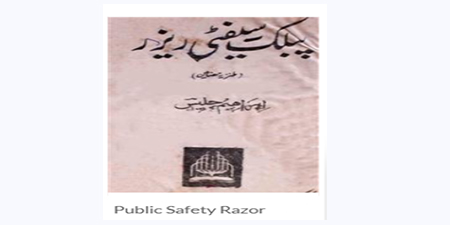
It all started with the Muslim League government in Punjab promulgating the Punjab Public Safety Act. This promoted a biting satire from Ibrahim Jalees, under the title, Public Safety Razor. Born on 22 August 1924, Jalees was a writer, a journalist, and also a satirist. Later a book of his satirical articles was also published under the title Public Saftey Razor. The article also earned Jalees a few months behind the bar.

As in-charge of the literary section of the journal, Ahmad Bashir published the article. “Hamid Nizami, chief editor of all the Nawa-i-Waqt publications, summoned both the editors and told them that the said article was against the policy of his papers. He asked them to publish an apology in the next issue, which they refused,” narrates Niazi in The Press in Chains.   

The refusal had consequences. Next day when Bashir and Tufail arrived at the office, they were served with a dismissal order for insubordination. And of course, “the subsequent issue of the journal carried the apology in the name of Hamid Nizami.”


Dive Deeper

Newsroom
Indian media grapples with AI ethics in newsrooms

Indian media grapples with AI ethics in newsrooms

 December 24, 2025 Indian media organizations are debating ethical rules for artificial intelligence as newsrooms adopt AI tools, raising concerns over accuracy, accountability, and the future role of journalists.


Media warn Democratic bill could chill press freedom

Media warn Democratic bill could chill press freedom

 December 24, 2025 Media groups warn that a Democratic-backed bill could expand defamation liability, raising concerns over press freedom, investigative reporting, and potential chilling effects across U.S. newsrooms.


Kashmiri journalist Irfan Mehraj marks 1,000 days jailed

Kashmiri journalist Irfan Mehraj marks 1,000 days jailed

 December 24, 2025 Kashmiri journalist Irfan Meraj has spent over 1,000 days in detention by Indian authorities in Kashmir, renewing concerns over press freedom and legal pressure on independent media.


South Korea passes tougher penalties for false media reports

South Korea passes tougher penalties for false media reports

 December 24, 2025 South Korea’s parliament passed a law imposing tougher penalties on the media for false information, raising concerns from journalists over press freedom and investigative reporting.


Israel extends foreign media restriction law to 2027

Israel extends foreign media restriction law to 2027

 December 24, 2025 Israel’s Knesset has extended emergency legislation allowing limits on foreign media outlets until 2027, prompting renewed concern from press freedom groups over long-term impacts on reporting.


Popular Stories