
Climate reporters in Asia face elevated safety risks, study finds Afghan media group condemns arrests and expulsion in Islamabad Internet shutdowns choke reporting from Iran protests Hong Kong court weighs sentencing in Jimmy Lai security case UNESCO warns South Korea's fake news law risks press freedom Turkey honors journalists on Working Journalists’ Day Pakistan journalists face deepening welfare crisis, PFUJ-Workers warns Independent U.S. journalists reshape news ecosystem Venezuelan editors in exile join forces to report crisis RSF launches Iran media help desk for journalists Climate reporters in Asia face elevated safety risks, study finds Afghan media group condemns arrests and expulsion in Islamabad Internet shutdowns choke reporting from Iran protests Hong Kong court weighs sentencing in Jimmy Lai security case UNESCO warns South Korea's fake news law risks press freedom Turkey honors journalists on Working Journalists’ Day Pakistan journalists face deepening welfare crisis, PFUJ-Workers warns Independent U.S. journalists reshape news ecosystem Venezuelan editors in exile join forces to report crisis RSF launches Iran media help desk for journalists
Logo
Janu
Heavyweights

No government happy with independent reporting: Nadeem Malik

 JournalismPakistan.com |  Published: 25 November 2021

Join our WhatsApp channel
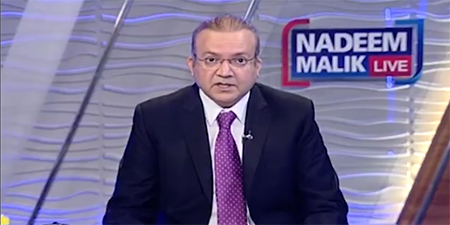
No government happy with independent reporting: Nadeem Malik
Nadeem Malik criticized the Pakistani government's discomfort with independent journalism. He referred to the pressures faced by media personnel, specifically during critical political events.

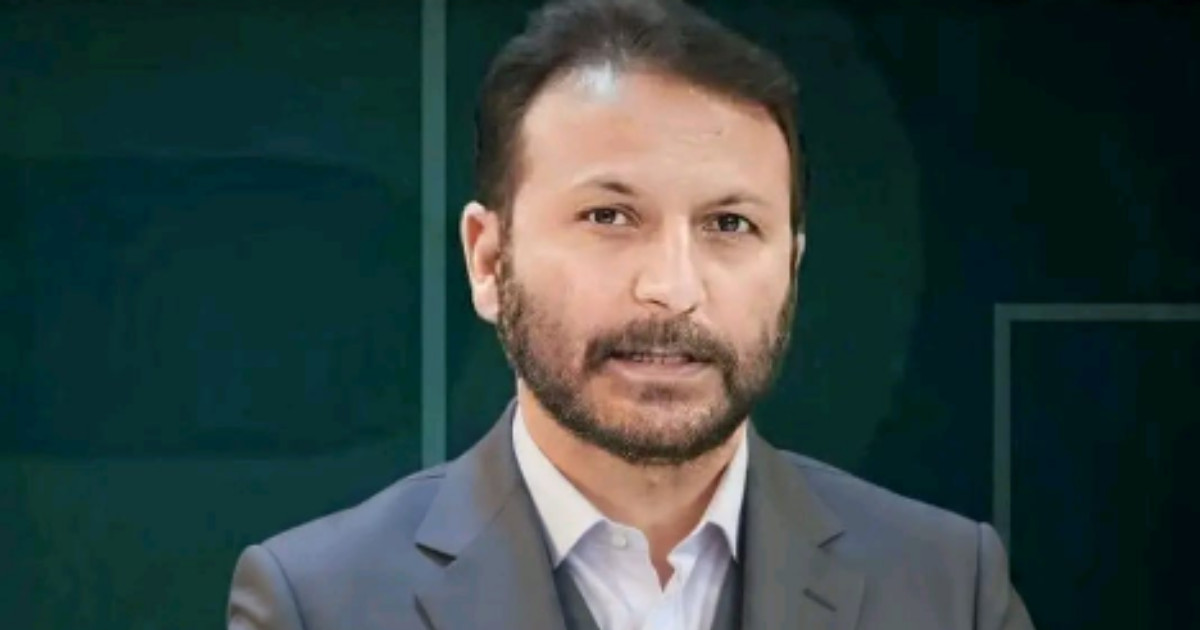
ISLAMABAD—Television presenter and analyst Nadeem Malik says he has not witnessed a government in Pakistan that is comfortable or happy with independent reporting by the media. Talking with BBC Urdu, he said that an independent journalist is not acceptable to any government.

"For the current government or the last Nawaz government, an independent journalist is unacceptable."

When asked about the admission of PML-N leader Maryam Nawaz that she ordered stoppage of ads to four TV channels, including Saama, he thought the video seemed to be from the last days of 2014 or early 2015. "We were under a lot of pressure because of our coverage of the PTI sit-in. Police beat up our staff. Then the prime minister called our owner and complained about me."

The audio leak of Maryam Nawaz in which she issues directions for not releasing ads to Saama, ARY, 24 News and 92 News, Nadeem Malik's name is mentioned.

KEY POINTS:

  • Nadeem Malik discusses government discomfort with independent journalism.
  • He mentions past pressures experienced during PTI sit-ins.
  • Maryam Nawaz admitted to stopping ads for specific TV channels.
  • Malik's experiences highlight challenges faced by journalists in Pakistan.
  • The issue reflects ongoing tensions between media and government.
Don't Miss These

Newsroom
Climate reporters in Asia face elevated safety risks, study finds

Climate reporters in Asia face elevated safety risks, study finds

 January 13, 2026 Study finds climate reporters in Asia face higher physical threats than in Europe or the Americas, linked to contested extractive and land-use projects.


Afghan media group condemns arrests and expulsion in Islamabad

Afghan media group condemns arrests and expulsion in Islamabad

 January 12, 2026 AMSO condemned arrests and the deportation of Afghan journalists by Pakistani police in Islamabad, calling the actions illegal and a threat to press freedom.


Internet shutdowns choke reporting from Iran protests

Internet shutdowns choke reporting from Iran protests

 January 12, 2026 Internet shutdowns and network throttling in Iran are crippling journalists and media, impeding reporting, verification and sharing of protest information.


Hong Kong court weighs sentencing in Jimmy Lai security case

Hong Kong court weighs sentencing in Jimmy Lai security case

 January 12, 2026 High Court hearings began to sentence Jimmy Lai and co-defendants convicted under Hong Kong's national security law, with potential life terms and implications for press freedom.


UNESCO warns South Korea's fake news law risks press freedom

UNESCO warns South Korea's fake news law risks press freedom

 January 12, 2026 UNESCO warns South Korea's new 'fake news' law uses vague definitions and broad enforcement powers that could erode press freedom and spur self-censorship.


Popular Stories