
PMDA Ordinance an attempt to impose media martial law: PFUJ
JournalismPakistan.com | Published: 28 May 2021
Join our WhatsApp channel
The proposed PMDA Ordinance has been denounced by multiple organizations as a threat to media freedoms and the right to information. Leaders claim it represents a significant governmental overreach, undermining constitutional rights and journalistic integrity.Summary
ISLAMABAD—Pakistan Federal Union of Journalists (PFUJ), Human Rights Commission of Pakistan (HRCP), and Pakistan Bar Council (PBC) have outrightly rejected the proposed Pakistan Media Development Authority (PMDA) Ordinance 2021 that the federal government intends to impose.
“The proposed law is draconian in scope and devastating in its impact on the constitutional principles and guarantees for freedom of expression, media freedoms, and the right to information as well as the profession of journalism,” PFUJ said in a joint statement with HRCP, the apex human rights organization and PBC, the representative body of lawyers.
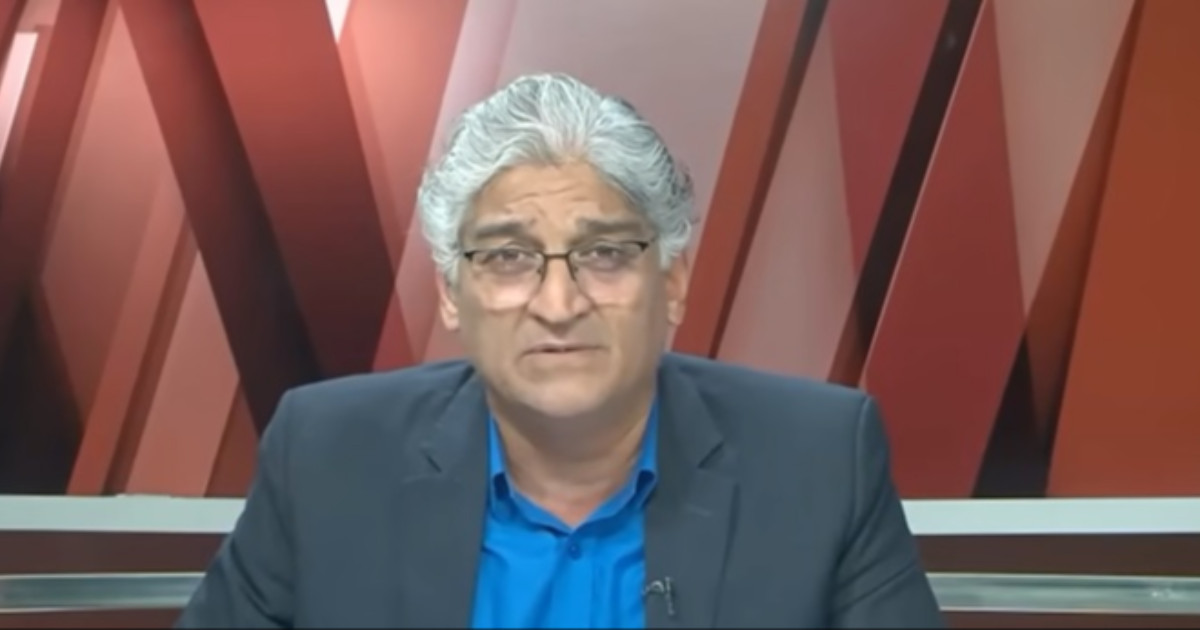
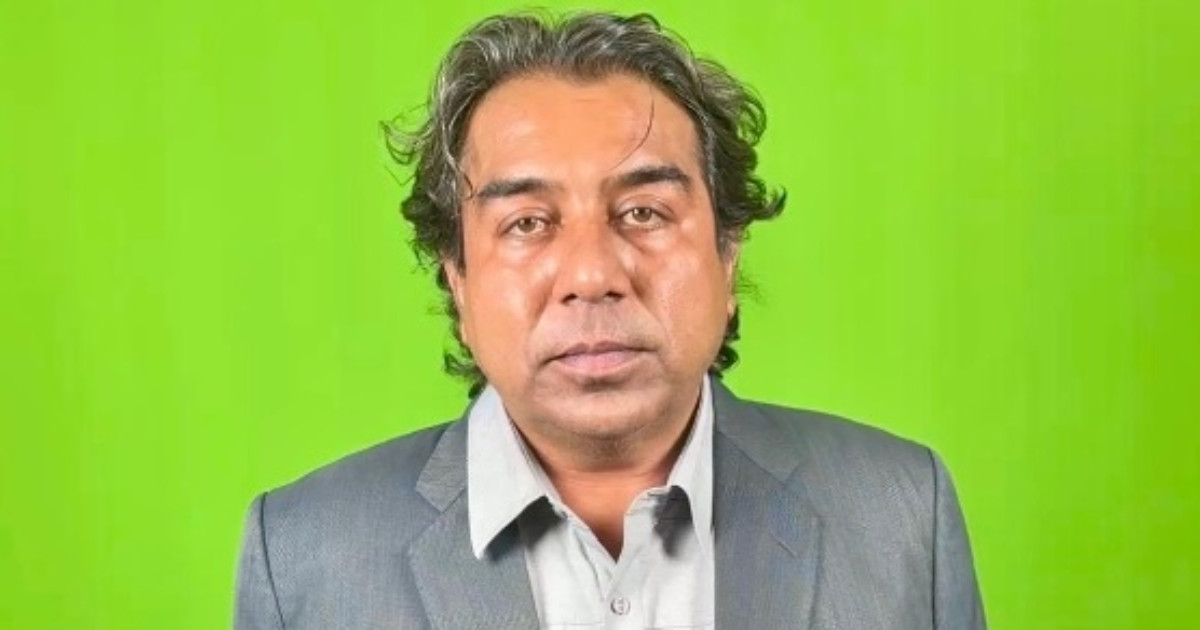
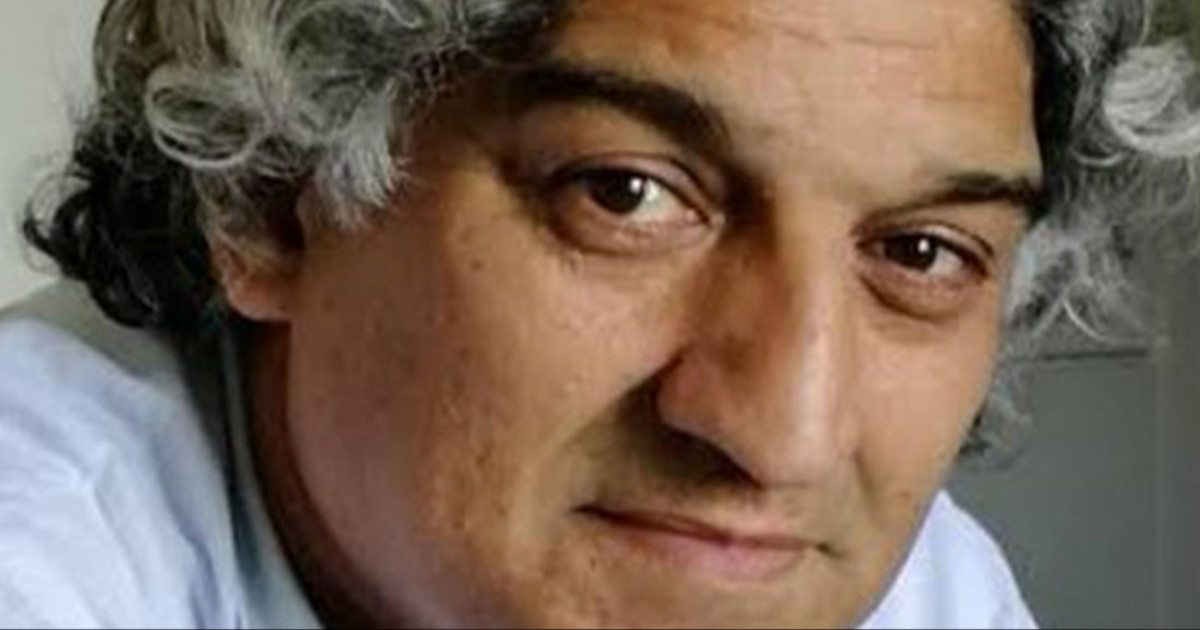
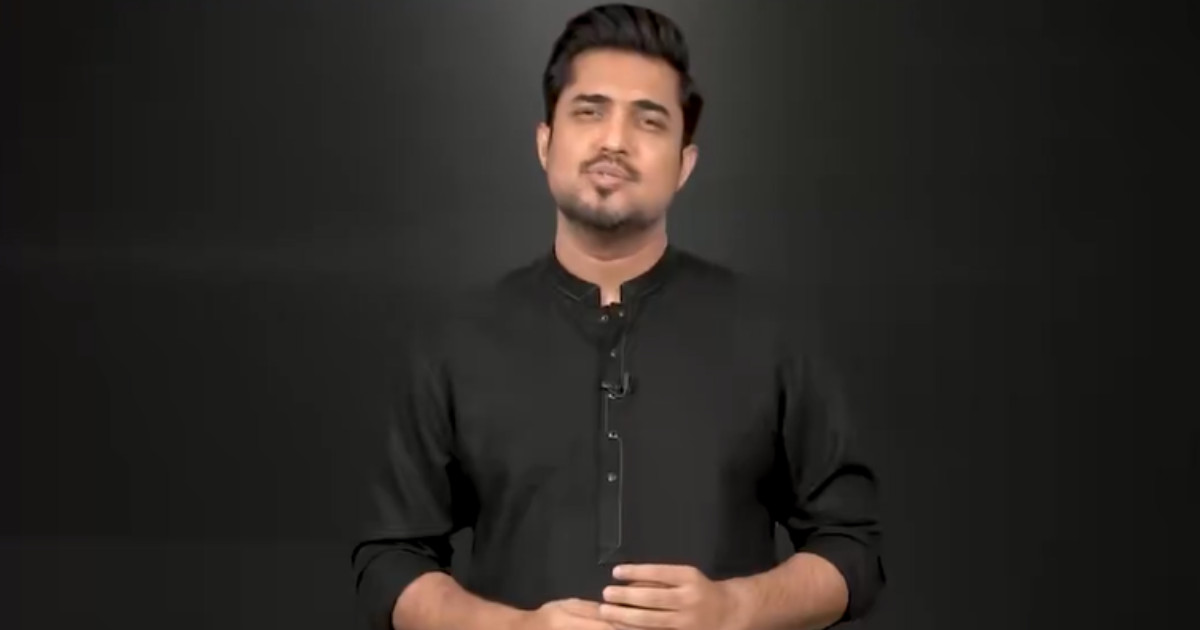
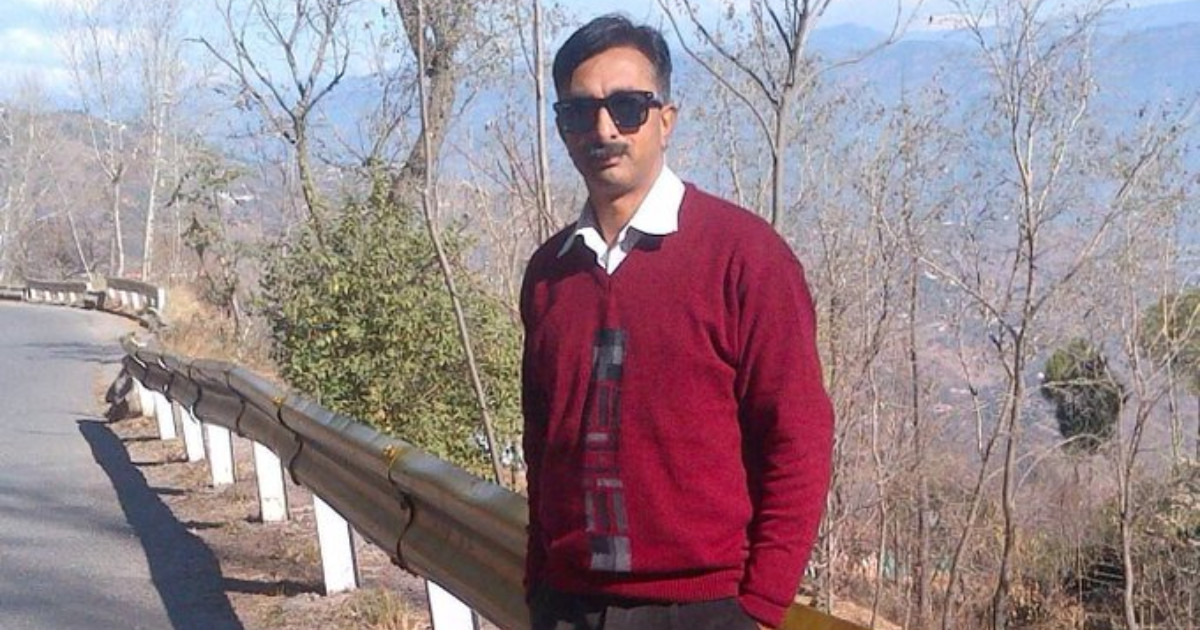
PFUJ President Shahzada Zulfiqar (pictured, left) and Secretary-General Nasir Zaidi (right), HRCP Chairperson Hina Jilani and Secretary-General Harris Khalique, and PBC Vice-Chairman Khushdil Khan have raised serious objections to the ordinance.
They said that it reflects a mindset hostile to the concept of people’s freedom of expression and right to information. It embodies the anti-media proclivities of an army of spokespersons the incumbent government has recruited.
The ordinance proposes to repeal all current media-related laws including The Press Council Ordinance 2002, The Press, Newspapers, News Agencies and Books Registration Ordinance 2002, the Newspaper Employees (Conditions of Services Acts) 1973, Pakistan Electronic Media Regulatory Authority Ordinance 2002 as amended by PEMRA Amendment Act 2007, and The Motion Pictures Ordinance 1979. All will be merged under PMDA.
PFUJ, HRCP, and PBC warned that upending the current media regulatory regime, as proposed in the law, will destroy all public media as it exists in Pakistan today. “This mala fide step is another U-turn from the promises made by the prime minister about expanding freedom of expression before he took the oath of office. This ordinance will further tighten the grip of the government on all forms of media that includes print, electronic, social media, drama, and films," the statement said.
The proposal to nominate a Grade 22 bureaucrat to head the PMDA is tantamount to formalizing a regime of coercive censorship.
PFUJ, HRCP, and the PBC also decried the proposed establishment of media tribunals to hand punishments of up to three years in jail and Rs25 million in fines to content producers for violating the repressive new provisions.
The proposed ordinance is nothing less than imposing “media martial law,” the media and civil society leaders said. They vowed to resist such draconian steps by taking trade unions, academia, political parties, and citizen organizations along.
“The government has already imposed a major censorship regime on mainstream media and it now wants to extend that from TV, radio, and print to online journalism.
The statement recalled that similar attempts made in the past through PEMRA and PTA in 2020 were not only vehemently opposed but rejected by all stakeholders, including PFUJ, HRCP, PBC and human and digital rights groups, national and international media watchdogs and global social media service providers. They said the Islamabad High Court had given stay on PFUJ’s petition that challenged similar draconian social media rules.
PFUJ, HRCP and PBC also said that the proposed law will make it mandatory for all types of media including print, TV, radio, OTT and internet news websites, to obtain not only five-year to 15-year licenses but annual NOCs to remain operational.
“This is censorship by another name as these not only raise entry barriers for new media players but also keep older and more experienced media players hostage to the whims of bureaucrats, authoritarian politicians and behind the scene powers pulling strings to make media focus only on survival, not professionalism,” they added.
“The government and the ruling party will itself become the biggest victim of the draconian law by crushing freedom of expression of citizens and media freedoms for journalists as no one will be left to speak for it and communicate with its constituents."
"The proposed heavy fines and penalties will not be accepted by PFUJ or any journalist in the country. This is aimed at undermining freedoms enshrined in the constitution under Articles 19 and 19-A. The proposed law is ultra vires of the constitution and must be immediately withdrawn failing which countrywide protests will be launched by journalists and citizens," the statement concluded.
Key Points
- PFUJ, HRCP, and PBC reject the PMDA Ordinance as draconian.
- The ordinance aims to consolidate existing media laws under PMDA.
- It imposes severe penalties on content producers.
- The proposal is seen as an effort to formalize censorship.
- Mass protests will be organized if the law is not withdrawn.
Relevant Topics
Ask AI: Understand this story your way
AI EnabledDig deeper, ask anything — get instant context, background, and clarity.
Disclaimer: This feature is powered by AI and is intended to help readers explore and understand news stories more easily. While we strive for accuracy, AI-generated responses may occasionally be incomplete or reflect limitations in the underlying model. This feature does not represent the editorial views of JournalismPakistan. For our full, verified reporting, please refer to the original article.