
Indian-held Kashmir unable to access COVID-19 information online
JournalismPakistan.com | Published: 23 March 2020
Join our WhatsApp channel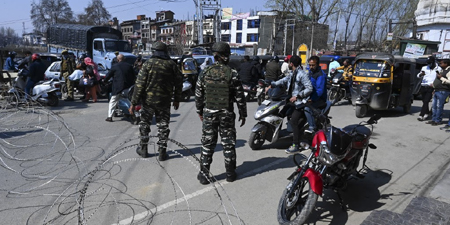
Residents of Indian-held Kashmir are struggling to obtain reliable COVID-19 information due to a seven-month internet blackout. This situation has led to increased panic among the population as the government continues to impose communication restrictions.Summary
More than eight million people living in Indian-held Kashmir are unable to access reliable health information about COVID- 19 as the seven-month-long internet shutdown continues.
The International Federation of Journalists (IFJ) and its affiliate, the Indian Journalists Union, have urged the Indian government to remove all communication restrictions on Kashmir.
The Kashmir population has been denied the free and unrestricted flow of information since August 5, 2019, when Article 370 of the Indian Constitution was revoked, removing the autonomy of Kashmir, imposing a communications shutdown. Recently, the implications of a communications shutdown have worsened with civilians panicking due to a lack of information on the COVID-19 pandemic and increased restrictions imposed on movement.
Moazum Bhat, the vice-president of Kashmir Press Club questioned how will people access reliable information when doctors, journalists and health service providers cannot access information about the pandemic. Despite the Supreme Court’s ruling on January 10 calling the ban “impermissible”, the Indian government continues to restrict high speed 3G and 4G internet services. The 2G internet services restored in the region on January 14 limits communication to a simple text message.
Since Kashmir reported its first case of COVID-19 on March 18, further communication restrictions have been put in place, banning people from visiting specific areas of Kashmir. As of 19 March, the Indian government has reported 166 confirmed cases of coronavirus of which, four cases are from Kashmir.
The communication restriction continues to prevent people from exercising the right to health. The right to health has been reflected in international agreements, which include the Universal Declaration of Human Rights and the International Covenant on Economic, Social, and Cultural Rights.
The Kashmir diaspora penned an open letter to the World Health Organisation (WHO), Dr. Tedros Adhanom, on March 20, requesting the office facilitate the restoration of high-speed internet in Kashmir.
The IJU “reiterates its demand that Kashmir people should have access to internet with 4G speed to cope with COVID-19 pandemic.”
The IFJ said: “The Unnecessary restriction on the dissemination of information will only increase panic during the pandemic. It is the responsibility of the government to ensure people receive accurate and timely information about COVID-19. The IFJ urges the Indian government to provide unrestricted and the free flow of information about COVID-19 in Kashmir by lifting the communications ban.”—IFJ media release?Photo: AFP
KEY POINTS:
- Over eight million in Kashmir lack access to COVID-19 information online.
- Internet shutdown began on August 5, 2019, after revocation of Article 370.
- The Supreme Court ruled on January 10 against the indefinite ban.
- Only limited 2G internet is available, hampering effective communication.
- Calls for restoring high-speed internet have been made to the WHO.