
Bangladesh drafts draconian Digital Security Act
JournalismPakistan.com | Published: 30 January 2018
Join our WhatsApp channel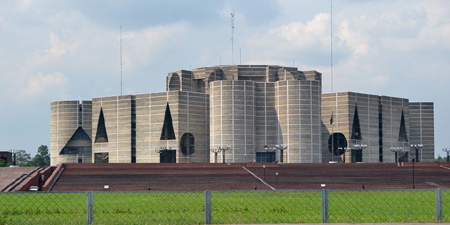
The International Federation of Journalists has condemned Bangladesh's draft Digital Security Act for its proposed restrictions on free speech. Severe penalties and broad powers for law enforcement have raised alarms among journalists and rights advocates.Summary
The International Federation of Journalists (IFJ) and the Bangladesh Manobadhikar Sangbadik Forum (BMSF) have express serious concerns over the provisions curtailing the freedom of expression in the draft of the Digital Security Act 2018.
The IFJ demanded that the Bangladesh government revise the draft act in accordance with the international standards.
Bangladesh’s Council of Ministers met on January 29 and approved the draft of Digital Security Act 2018, designed to combat ‘growing cybercrimes that are affecting many public and private organisations’. The draft will be now presented to the Jatiya Sangsad – the unicameral parliament for approval, where the ruling Awami League party holds a strong majority, and it is expected to pass.
The draft act seeks to repeal controversial Section 57 of the Information and Communication Technology (ICT) Act that deals with defamatory or other harmful contents online which has been used to silence critics and journalists. However, journalists and rights activists believe that the new draft is draconian and gags freedom of expression.
The proposed law has punishment provisions of life sentences for spreading negative propaganda against the Liberation War or the Father of the Nation using digital devices; up to five years jail term for deliberately publishing defamatory or false or distorted contents; up to 10 years jail term for hurting religious sentiments or hate speech or causing deterioration of law and order; and up to 14 years in jail on the charges of spying that includes illegally entering government offices to gather information or recording secretly using electronic devices.
The proposed law also empowers security agencies to search or arrest anyone without any warrant issued by a court if a police officer believes that an offense under the act has been committed or is being committed, or there is a possibility of crimes.
The IFJ said: “The IFJ is seriously concerned by the proposed Digital Security Act which, if implemented, will not only curb the freedom of speech and expression but also impede independent journalism. The Section 57 of the ICT Act was used arbitrarily to target journalists and curtain freedom of speech, and the IFJ believes the proposed act provides more grounds to grossly misuse the provisions to harass journalists and restrict freedom of expression. The IFJ urges the Bangladesh government and parliament to hold multi-stakeholder discussions and amend the draft to meet international standards before implementing it.” – IFJ media release
KEY POINTS:
- Draft Digital Security Act introduced to combat cybercrime in Bangladesh.
- New law includes harsh penalties for online expressions deemed negative.
- IFJ warns the act could further restrict freedom of speech and journalism.
- Section 57 of the ICT Act is set to be repealed but replaced with stringent measures.
- Concerns about misuse of the act by authorities to silence dissent.