
Attempts to control the internet most troubling: report
JournalismPakistan.com | Published: 12 April 2019
Join our WhatsApp channel
The annual Pakistan Internet Landscape report highlights critical issues in internet access and censorship. Experts discussed trends and implications affecting users in Pakistan.Summary
KARACHI - The annual Pakistan Internet Landscape report that highlights trends in local cyberspace related to critical topics including internet access, censorship, privacy, and cybercrime among others was launched here on Friday.
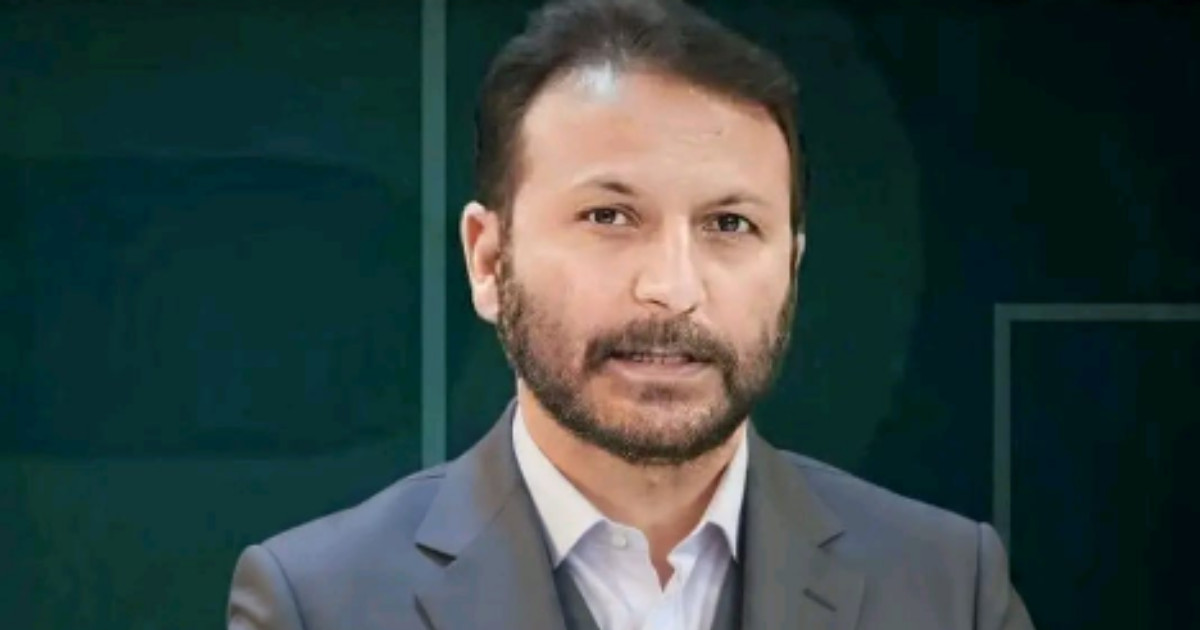
Jahanzaib Haque has authored the report published by human rights and advocacy organization Bytes For All.
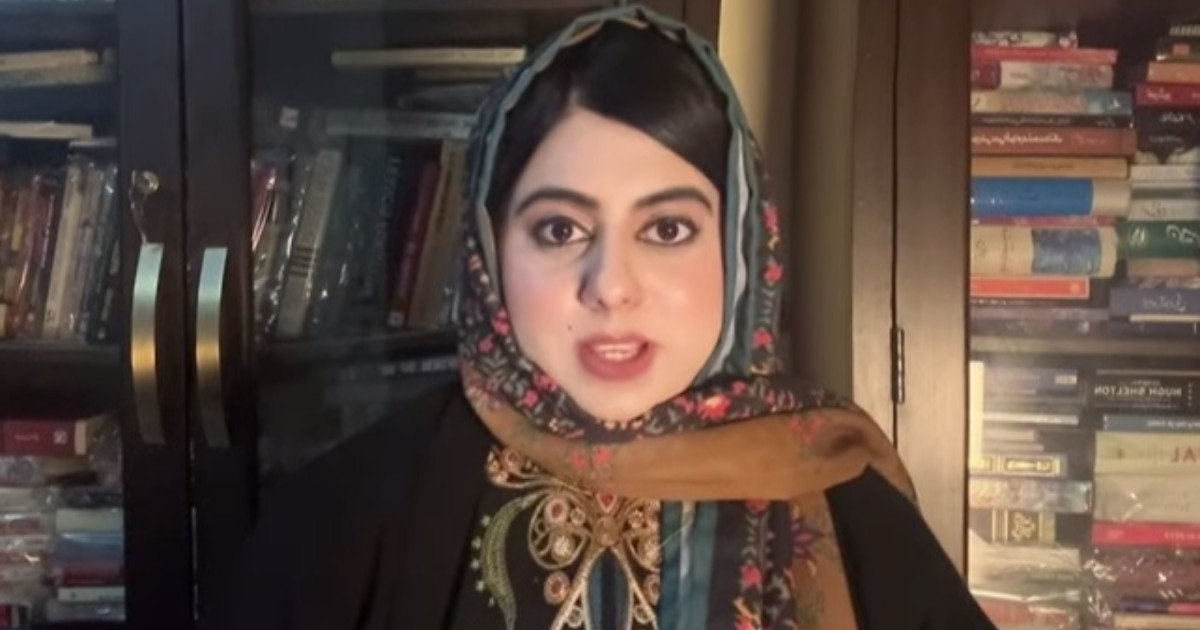
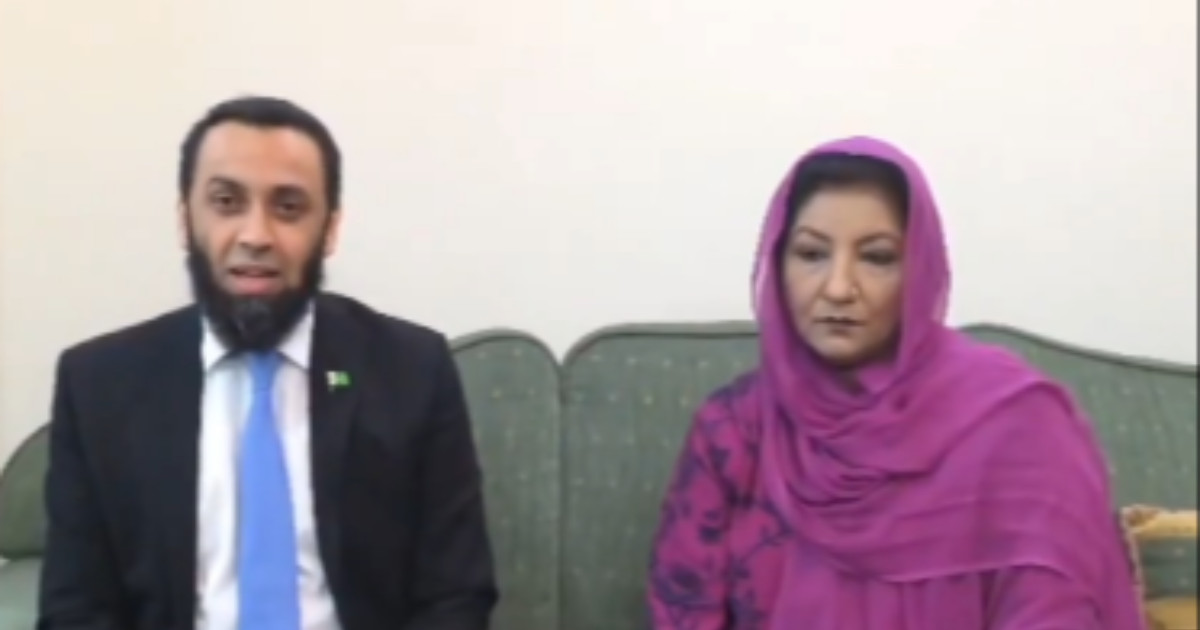
The launch event included a panel discussion by experts - Jahanzaib Haque, senior journalist and TV show host Zarrar Khuhro, co-founder Women's Advancement Hub Aisha Sarwari, and human rights defender Marvi Sirmed.
Some other topics covered in the report include hacking, child porn, blasphemy, fake news, e-commerce, and fin-tech/branchless banking.
The report notes that outside of the positive outlook in e-commerce and fin-tech/branchless banking, online developments across 2018 have seen some downward trends, with the state apparatus and its attempts to control the internet proving to be most troubling.
Bytes For All Chairperson of the Board Marvi Sirmed said: “Since the last edition of this report was published, Pakistan has faced far greater control over free expression, increased censorship, secrecy of public policy decision-making, and violation of fundamental freedoms of citizens.
“This report not only maps the trends in existing usage of the internet by all these stakeholders but also dilates upon the possibilities of further innovation to not only bolster freedom of information and expression but also to provide insight as to how the state could improve governance and service delivery to people. This also carries valuable information for tech start-ups and digital innovation projects undertaken by social entrepreneurs.”
12 key findings of the 2018 report:
1) Overall internet penetration continues to increase, bolstered mainly by mobile phones with internet connections; a total of 62 million 3G/4G subscribers now form 29.55% of penetration.
2) The fundamental challenge of the urban-rural, socio-economic divide in terms of internet access remains in place.
3) Cellular network suspensions have continued in the name of security.
4) The state has made some effort to improve governance through the internet with particular strides by law enforcement agencies.
5) The possible addition of clauses specific to blasphemy in the already controversial Prevention of Electronic Crimes Act could result in serious harm both online and offline through misuse and abuse of the laws.
6) Some strides were made to curb child pornography, with awareness raised and an increasing number of arrests carried out. The extent to which this crime exists across the country is worrying, however.
7) There were several large-scale hacks, including ride-hailing app Careem and Bank Islami, that exposed grave threats to data and privacy in Pakistan. The general elections also saw citizen data being shared widely for political purposes.
8) The state and other actors have continued surveillance of activists and journalists, resulting in intimidation and harassment.
9) Traditional media and associated journalists have found themselves to be the targets of intimidation, harassment, violence, and even monetary losses, resulting in self-censorship across all media, including online.
10) The elections saw all political parties compete fiercely to win votes through the online space. It also resulted in a large volume of hate speech and fake news targeting political opponents.
11) Due in large part to social media and specifically WhatsApp and Facebook, fake news is an ever-growing challenge in the country.
12) Perhaps the biggest, and arguably most positive developments were encouraging growth in the fin-tech/online banking and e-commerce front.
“Access to the Internet, Dangerous Speech, Cyber Armies and Data Protection will continue to be the major challenges for Pakistan’s Internet Landscape in the coming year,” Shahzad Ahmad, Country Director of Bytes For All, Pakistan said.
In summary, Haque shared that “despite taking a few steps forward, at the macro-level, the country remains without a cohesive, progressive and all-encompassing approach to the internet and the implications of living in a digitized world.”
Photo courtesy: Jahanzaib Haque (Facebook)
KEY POINTS:
- 62 million 3G/4G subscribers mark increased internet penetration.
- State censorship and control over free expression are rising concerns.
- Significant threats to privacy noted due to hacking incidents.
- Fake news and hate speech proliferated during the elections.
- Growth in fintech and e-commerce presents new opportunities.