
World Day for Decent work: Secure collective bargaining for journalists - IFJ
JournalismPakistan.com | Published: 6 October 2016
Join our WhatsApp channel
The IFJ celebrates World Day for Decent Work by emphasizing the importance of collective bargaining for journalists. Significant achievements worldwide demonstrate improvements in pay and working conditions.Summary
BRUSSELS - Collective bargaining is the best tool journalists have to secure fairness at work, reduce inequality and improve pay and working conditions. To mark World Day for Decent Work on 7 October the International Federation of Journalists (FIJ) is celebrating the achievements of collective bargaining for journalists throughout the world.
Results of a recent IFJ survey highlight that collective bargaining improves wages, working conditions, job security and gives journalists, whether staff or freelance, a voice at work. Victories highlighted in the survey include a historic national collective agreement in Palestine providing a commitment to guarantee the health and safety of journalists and additional payments for overtime and expenses.
Italian, German and Austrian IFJ affiliates adopted collective agreements that have helped to provide better conditions for self-employed or freelance workers. In Ghana a new collective agreement at Times News Corporation provides for long service bonuses, annual pay rises and clothing and housing allowances. In Nepal, union action secured an increase in the basic salary.
In Chile, unions at some of the most important newspapers in the country have negotiated a bonus for reuse of their work in other media. The federation recalls that freedom of association and the right to collectively bargain are fundamental rights recognized by the United Nations and the International Labor Organization that should not be challenged by national government nor media companies.
It insists that journalists must be free to join the union of their choice without fear of being discriminated. The IFJ’s survey showed that in some countries whilst the right was enshrined in law, in practice it could not be effectively exercised.
“Our message this year to mark World Day for Decent Work is that whether in new or traditional, mainstream or alternative, public service or privately-owned media, whether employed or freelance, whether younger or older, male or female union action, collective bargaining and standing together makes a difference," said IFJ General Secretary, Anthony Bellanger.
"We call on world journalists to get united to defend fair working conditions for all. We call on employers and governments to respect the rights of freedom of association and collective bargaining. For journalists the best investment they can make is to join a union.” - IFJ media release.
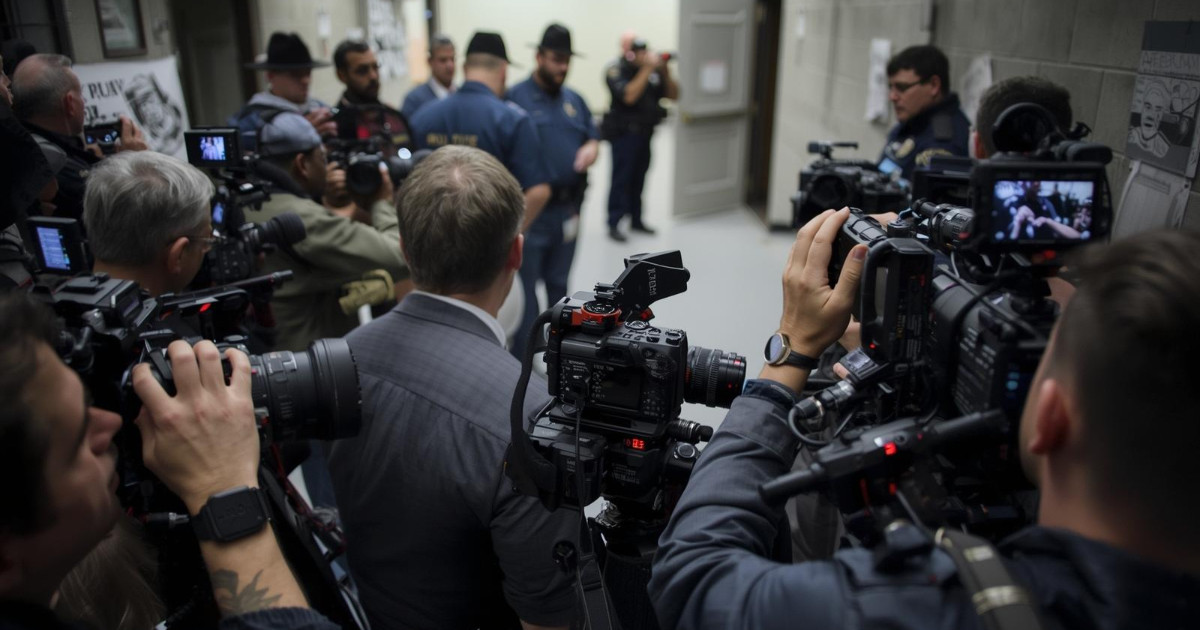
Image courtesy: www.solidaritycenter.org
KEY POINTS:
- Collective bargaining is essential for journalists' fairness at work.
- Recent IFJ survey shows improvements in wages and job security through collective agreements.
- Palestine achieved a historic national collective agreement ensuring journalists' health and safety.
- Unions in Italy, Germany, and Austria improved conditions for freelance workers.
- Rights to freedom of association and collective bargaining must be upheld globally.