
Climate reporters in Asia face elevated safety risks, study finds Afghan media group condemns arrests and expulsion in Islamabad Internet shutdowns choke reporting from Iran protests Hong Kong court weighs sentencing in Jimmy Lai security case UNESCO warns South Korea's fake news law risks press freedom Turkey honors journalists on Working Journalists’ Day Pakistan journalists face deepening welfare crisis, PFUJ-Workers warns Independent U.S. journalists reshape news ecosystem Venezuelan editors in exile join forces to report crisis RSF launches Iran media help desk for journalists Climate reporters in Asia face elevated safety risks, study finds Afghan media group condemns arrests and expulsion in Islamabad Internet shutdowns choke reporting from Iran protests Hong Kong court weighs sentencing in Jimmy Lai security case UNESCO warns South Korea's fake news law risks press freedom Turkey honors journalists on Working Journalists’ Day Pakistan journalists face deepening welfare crisis, PFUJ-Workers warns Independent U.S. journalists reshape news ecosystem Venezuelan editors in exile join forces to report crisis RSF launches Iran media help desk for journalists
Logo
Janu
Gone Too Soon

UNESCO boss condemns journalist's murder

 JournalismPakistan.com |  Published: 14 January 2014

Join our WhatsApp channel
UNESCO boss condemns journalist's murder
Irina Bokova, the Director General of UNESCO, has condemned the murder of Zakir Ali, a journalist in Sindh. She urged authorities to ensure those responsible are prosecuted.

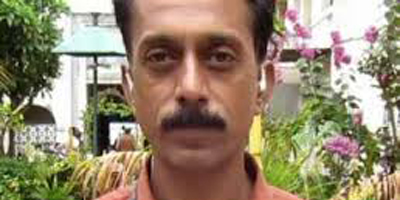
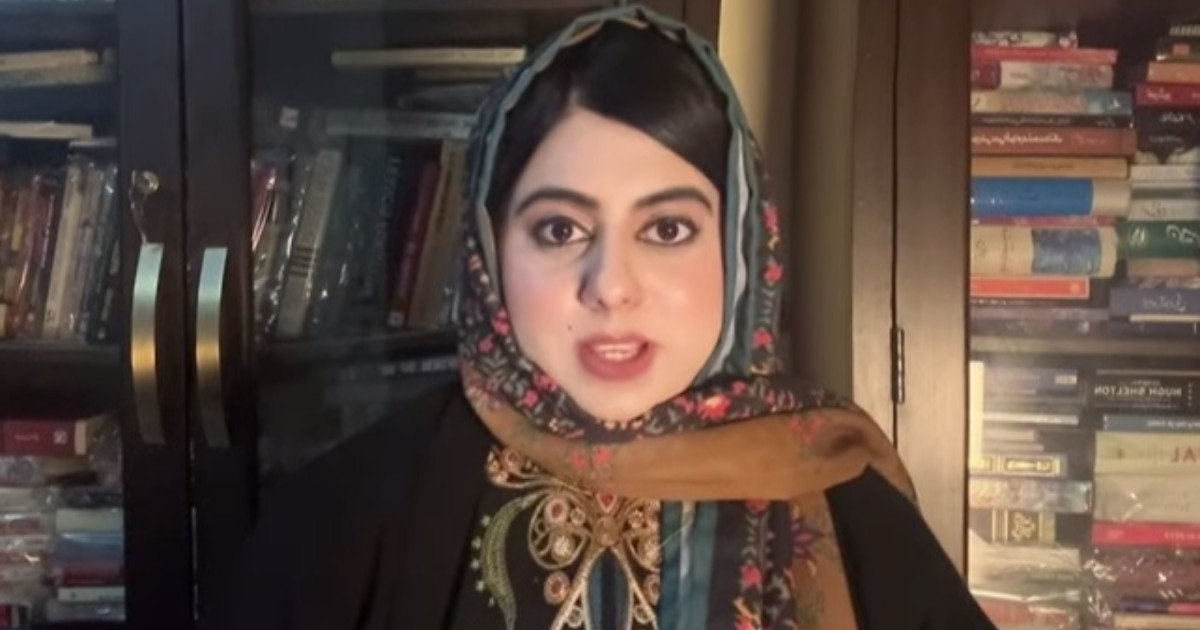
The Director General of UNESCO, Irina Bokova, has denounced the murder of journalist Zakir Ali, also known as Shan Dahar (picture), in Larkana (Sindh), and urged the authorities to prosecute those responsible for the killing.

“I condemn the murder of Zakir Ali,” said Ms Bokova. “It is important that no effort be spared in seeking out those responsible for this crime. Attacks on journalists and media workers represent a serious attack on citizens’ right to be kept informed.

"Press freedom and freedom of expression depend on the ability of journalists to carry out their work without fearing for their lives. Such crimes must not go unpunished.”

Zakir Ali, the bureau chief of news channel Abb Takk TV, was shot on his way home on evening of 31 December and died in hospital in the early hours of January 1.

KEY POINTS:

  • Zakir Ali was the bureau chief of Abb Takk TV.
  • He was shot on December 31 and died on January 1.
  • UNESCO calls for immediate action against attacks on journalists.
  • Press freedom is essential for citizens' right to information.
  • Bokova emphasizes the importance of protecting journalists' safety.
Don't Miss These

Newsroom
Climate reporters in Asia face elevated safety risks, study finds

Climate reporters in Asia face elevated safety risks, study finds

 January 13, 2026 Study finds climate reporters in Asia face higher physical threats than in Europe or the Americas, linked to contested extractive and land-use projects.


Afghan media group condemns arrests and expulsion in Islamabad

Afghan media group condemns arrests and expulsion in Islamabad

 January 12, 2026 AMSO condemned arrests and the deportation of Afghan journalists by Pakistani police in Islamabad, calling the actions illegal and a threat to press freedom.


Internet shutdowns choke reporting from Iran protests

Internet shutdowns choke reporting from Iran protests

 January 12, 2026 Internet shutdowns and network throttling in Iran are crippling journalists and media, impeding reporting, verification and sharing of protest information.


Hong Kong court weighs sentencing in Jimmy Lai security case

Hong Kong court weighs sentencing in Jimmy Lai security case

 January 12, 2026 High Court hearings began to sentence Jimmy Lai and co-defendants convicted under Hong Kong's national security law, with potential life terms and implications for press freedom.


UNESCO warns South Korea's fake news law risks press freedom

UNESCO warns South Korea's fake news law risks press freedom

 January 12, 2026 UNESCO warns South Korea's new 'fake news' law uses vague definitions and broad enforcement powers that could erode press freedom and spur self-censorship.


Popular Stories