
Students, media attacked as India sedition row escalates
JournalismPakistan.com | Published: 16 February 2016
Join our WhatsApp channel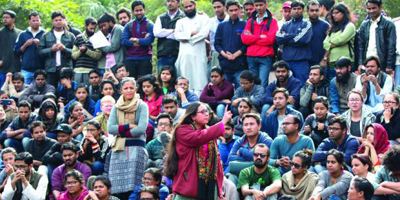
The arrest of Indian student Kanhaiya Kumar has triggered widespread protests across universities. The incident has intensified debates about sedition laws in India.Summary
NEW DELHI - A row over the arrest of an Indian student on a controversial sedition charge escalated Monday, with students refusing to attend classes and violent scenes at the Delhi court where he was due to appear.
Kanhaiya Kumar was arrested on Friday for alleged seditious behaviour at a rally to mark the third anniversary of a Kashmiri separatist's execution, sparking major protests at Delhi's prestigious Jawaharlal Nehru University (JNU) and other universities.
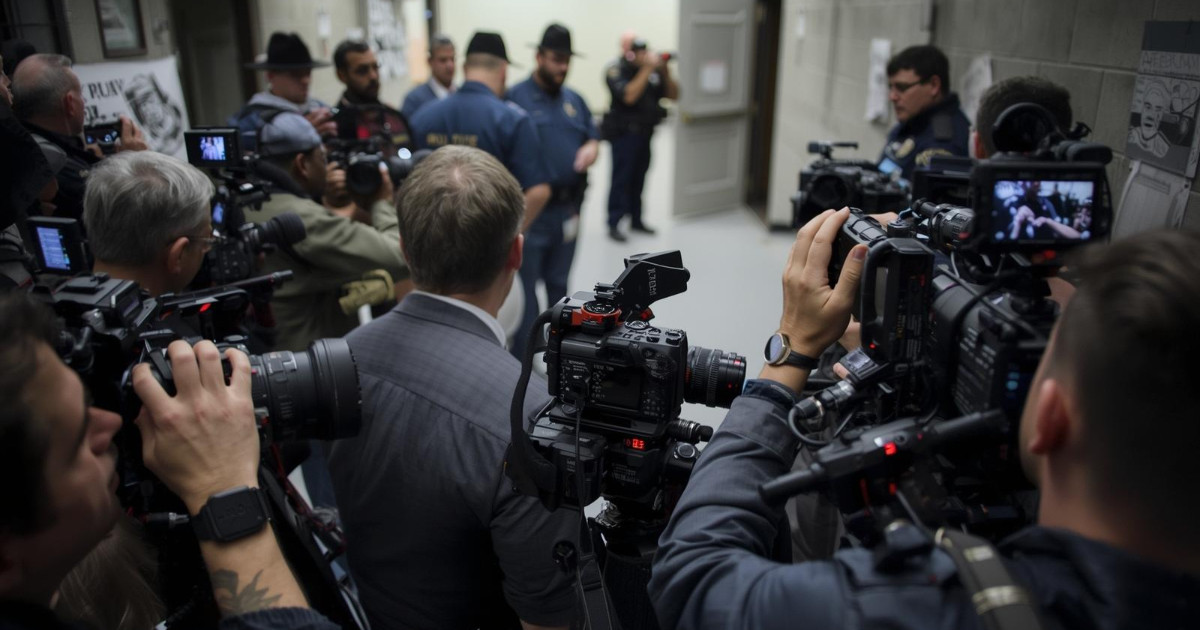
He was brought before a judge on Monday, but violent scuffles broke out in the courtroom where fellow students and journalists had gathered to witness his appearance. An AFP reporter at the court said men wearing lawyers robes snatched reporters phones and notebooks and pushed them to the ground, accusing them of being "pro-Pakistan" and "anti-Indian".
Several journalists said they had been threatened and ordered to leave the court. Television footage showed unidentified men punching and shoving people outside the court building. Kumar and other students are accused of voicing anti-India slogans at last Tuesday's largely peaceful rally at JNU, charges they deny.
His arrest has reignited a row over freedom of expression in India, where some rights campaigners say the British-era sedition law is being misused to clamp down on dissent. Students have since staged protests at campuses around the country in support of Kumar, accusing India's Hindu nationalist government of overreacting. JNU students said Monday they would boycott classes until Kumar was released.
Kumar has denied any wrongdoing and remains in police custody after reportedly being arraigned for two more days on Monday. The maximum penalty for sedition is life imprisonment. Delhi police commissioner B.S. Bassi defended the decision to arrest Kumar, saying the student had "raised anti-India slogans and that's why he has been arrested".
He played down Monday' s violence after media accused police in court of doing little to stop it, saying that "to my knowledge nobody has received any serious injuries". The head of the ruling nationalist Bharatiya Janata Party (BJP), Amit Shah, said the government would not tolerate what he called "anti-national activities" at JNU, which has a long history of left-wing student activism.
"The people of our country want to know if supporting Afzal Guru means freedom of expression. Is attacking our parliament freedom of expression?" he told reporters on Monday.
"Do you care for the sentiments of the family members of our martyrs and soldiers who protect our borders?" Separatist Mohammed Afzal Guru was hanged in 2013 over a deadly attack on the Indian parliament in 2001. - AFP (Image AP)
KEY POINTS:
- Kanhaiya Kumar arrested on sedition charges for alleged anti-India slogans.
- Violence broke out in a Delhi court during his appearance.
- Students at JNU and other universities are protesting and boycotting classes.
- The sedition law is criticized for being misused against dissent.
- Police defended the arrest, claiming it was due to Kumar's anti-India remarks.