
Sins of the crime reporter
JournalismPakistan.com | Published: 21 November 2014 | Stephen Manuel
Join our WhatsApp channel
The article critiques the stagnant state of crime reporting in Pakistan, highlighting its vague details and lack of depth. It argues for improved journalistic standards in this vital genre.Summary
All you have to do is pick up the newspaper and read through the city/local pages to realize that in the past so many decades nothing has changed when it comes to reporting crime. It’s simply unimaginable why this genre of reporting has not evolved given that it is one of the first goals young reporters set their sights on as soon as they enter the profession.
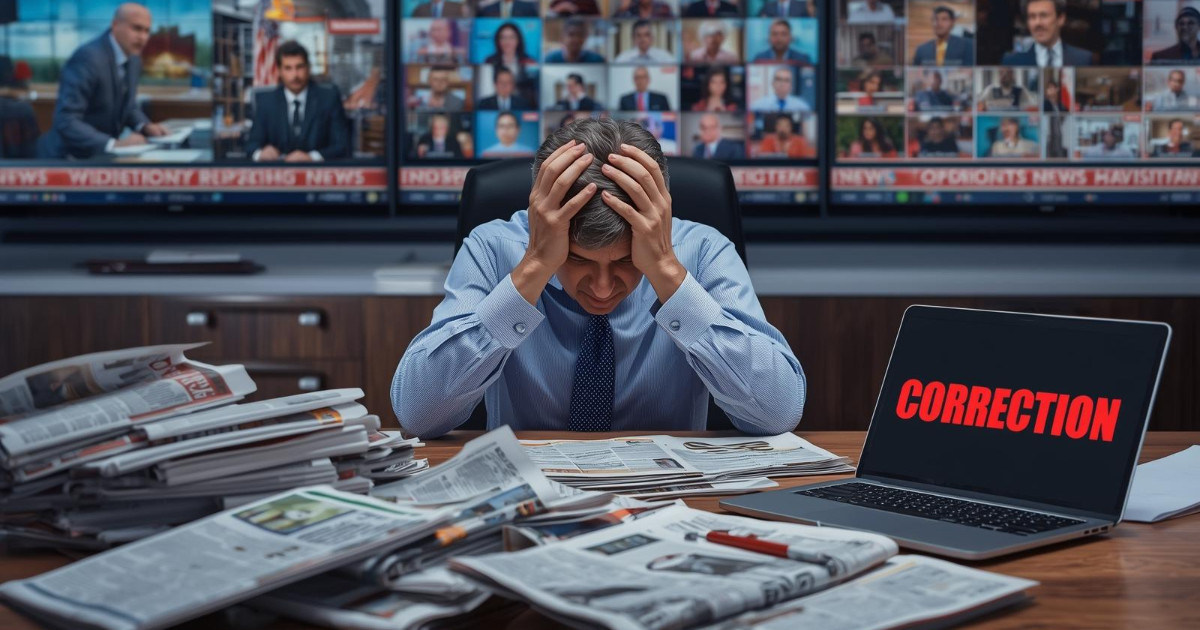
Most crime reports in Pakistani newspapers are not only vague in the extreme but often one-sided. One has to be a saint to not feel irritated by the generous sprinkling of various ‘alleged’, ‘reported’ ‘accused’ and ‘reliable sources said’ that litter any five centimeter single column report.
At the same time it would be very unfair to blame only the reporter for the finished product because he in all probability, is rigorously following the parameters laid down by his mentor.
In my opinion the chief reporter, the sub-editor and the city/local editor are equally to blame for dismal product they persist in insisting is a crime report. They all go through the initial story and whether it is indifference or lack of capability, they hardly if ever improve on the story; for them it's just part of the daily grist.
It is a shame, really.
Nothing can ignite the interest of the reader like a good crime report. The human interest angle is hard to ignore. We love to know about the how and why of crime and the individual or individuals who perpetrate it. It is human nature.
Just think of the huge public interest in the mid eighties when the so-called “Hathora Group” was running rampant or the time that Javed Iqbal, the self-confessed killer of over 100 children from Lahore, was arrested after a massive man hunt.
The public thirst for authentic investigative details was never fulfilled by Pakistan’s print media. There were no statements derived from official police reports, no real interviews with relevant police officers and criminologists, no independent verification of the statements provided by the police.
No real reports were commissioned or planned. Editors and senior reporters were quite content to sit back and rely on the pathetic details provided in the badly written copy given to them by their so-called crime reporters.
No real follow-ups.
Nothing much has changed since.
Just the other day I read this report about a young man murdered in Karachi and wondered how many others of the ilk I had read in my time as a journalist and regular reader of newspapers. It went something like this:
One M.K, a resident of Korangi, was allegedly assassinated by an unknown killer. He was found to have three bullet wounds. Reliable sources said he was allegedly a drug user.”
That’s it.
Could not have some reporter bothered to have gone down to the relevant police station and found out further details. Surely the man, once identified, also had a residential address. Details of who he was and what kind of person he was could have been had from the locality he lived in. It might even have evolved into a real whodunit.
But sadly I know what happened.
The reporter, while chatting to a fellow reporter, got the details on the phone in exchange for something equally vague. He just jotted it down, produced his four-line story, without bothering to do some real work. I’ve seen it done many times.
The only instance certain crime reporters come into action is when they need a favor from the police and brazenly blackmail them with details of corruption and irregularities gotten through nefarious means. Seen this too!
Furthermore, when was the last time you read a story based on an ongoing criminal court hearing?
The court is one place crime reporters have totally forgotten.
Shame again.
And while there are so many areas specialist reporters in our media can improve and be more professional, actual crime reporting would be a good place to start.
Key Points
- Crime reporting in Pakistan has not evolved over decades.
- Reports are often vague and one-sided, lacking depth.
- Editors and senior reporters are complicit in maintaining poor standards.
- Investigative details and interviews are rarely pursued.
- The public has a significant interest in authentic crime stories.
Relevant Topics
Ask AI: Understand this story your way
AI EnabledDig deeper, ask anything — get instant context, background, and clarity.
Disclaimer: This feature is powered by AI and is intended to help readers explore and understand news stories more easily. While we strive for accuracy, AI-generated responses may occasionally be incomplete or reflect limitations in the underlying model. This feature does not represent the editorial views of JournalismPakistan. For our full, verified reporting, please refer to the original article.