
As extremists barred from airwaves, some fear creeping censorship
JournalismPakistan.com | Published: 22 July 2016
Join our WhatsApp channel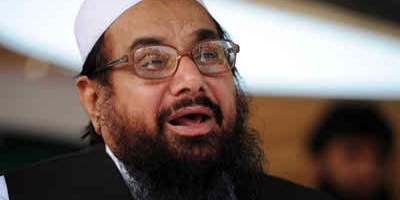
The Pakistani media faces increasing censorship due to a ban on covering extremist activities. Critics argue this could undermine public accountability and democracy.Summary
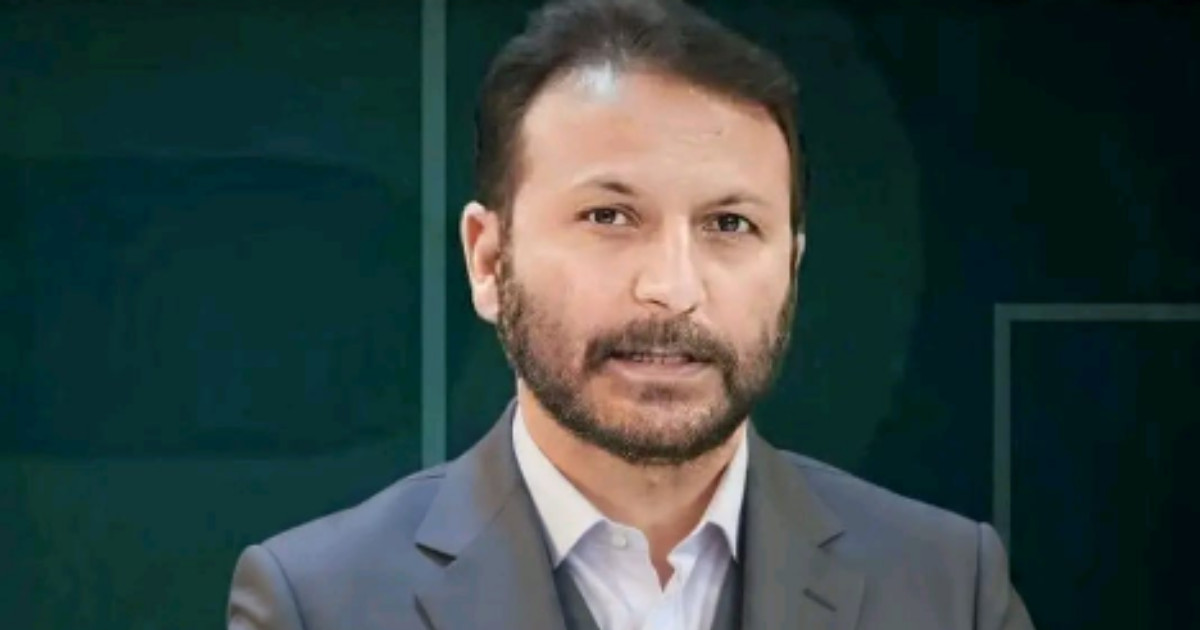
ISLAMABAD - When Hafiz Saeed (pictured), a Pakistani Islamist wanted in the United States and India, led a kilometre-and-a-half long caravan of supporters on an anti-India protest march across Pakistan to the capital this week, the story was not aired by local TV channels.
Also absent from the airwaves earlier this year were images of the nearly 100,000 hardliners who packed the funeral of executed assassin Mumtaz Qadri, hailing him a hero for killing a governor who advocated reforming Pakistan's draconian blasphemy laws.
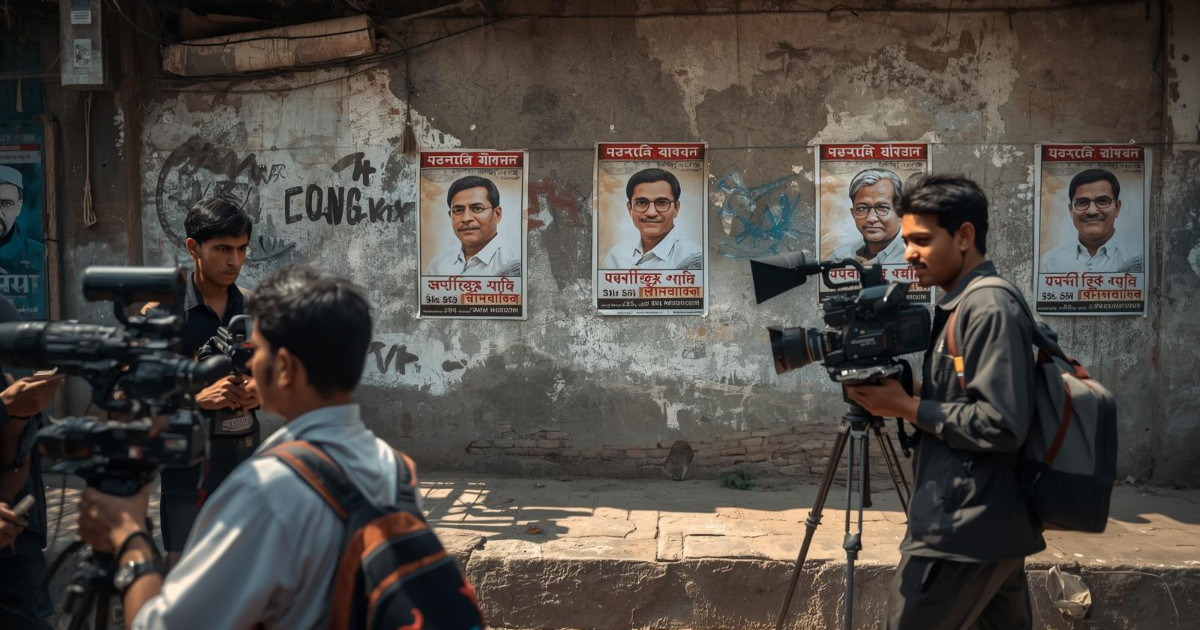
The blackouts are the most vivid examples of changing editorial behaviour prompted by a little-reported provision in Pakistan's National Action Plan, a counter-terrorism strategy that in effect bans broadcast media from covering Islamist militants.
But in a country with a fast-growing but still young broadcast media, Pakistani critics worry that rules intended to fight militancy will spill over into wider limits on criticism of the government or powerful military that could undermine a fragile democracy.
"Projecting militants is undesirable but a blackout does not serve the public interest," said Raza Rumi, a Pakistani broadcast journalist who is currently a scholar-in-residence at Ithaca College in the United States.
"For public accountability it is important that carefully edited information on militants is aired so that the public can assess the efficacy of state operations against terrorism." Pakistan announced the 20-point National Action Plan after Taliban gunmen attacked a military-run school in Peshawar in December 2014 and killed 134 children and 19 adults.
The plan's main thrusts include expanded counter-terrorism raids, secret military courts and the resumption of hangings. But it also contains clauses banning "glorification of terrorism and terrorist organisations through print and electronic media" and calling for "measures against abuse of internet and social media for terrorism".
"JUST A WARNING" Under the plan, the Pakistan Electronic Media Regulatory Authority (PEMRA) has sent dozens of warning letters to TV networks in recent months, and imposed fines for airing content that incites religious hatred or promotes violence.
This included fining a channel whose host likened members of the Hindu minority to "dogs" and issuing warnings to a popular news station that interviewed a woman who said she had gone to Syria to join the Islamic State. PEMRA chief Absar Alam, a former journalist, told Reuters banning such content was not censorship but rather "a call to be responsible".
"I've worked in Pakistan, I've worked for international organisations but I haven't seen the kind of irresponsibility and violation of codes as in Pakistan," Alam said. "We want Pakistani media to avoid promoting extremist views. There should be balance." On Qadri's funeral, Alam said he did not order a media blackout, but merely issued a reminder of the law's provisions.
"It was a warning, not a single word asks them to stop covering news," he said. But some worry that the broadcasters are also being steered away from covering legitimate stories.
Two years ago, events such as Qadri's funeral or this week's March by Saeed, who operates with no fear of arrest despite a $10 million U.S. bounty over his alleged involvement in the 2008 Mumbai attacks, would have been extensively reported on TV.
"There seem to be quiet guidelines and you can't afford not to follow them," said Abbas Nasir, a former editor for the BBC World Service and Pakistan's Dawn newspaper. DENYING "OXYGEN" Many journalists in Pakistan, however, support the blackout.
"Media is oxygen for militants," said a former managing director of state-owned Pakistan Television, who declined to be named because of the nature of his new job. "On one hand you are trying to bleed them and then you want to keep giving them oxygen?
That makes no sense." Pakistan's largest news network, Geo News, was ordered off air for 15 days by the PEMRA in 2014 - one of the few examples of overt censorship in recent years - after accusing the army's intelligence arm of an attack on one of its leading anchors. But Geo was happy to go along with the blackout in coverage of the Qadri funeral.
"It is a show of maturity by the media and it is not imposed," Muaaz Ahsan, chief of programming at Geo, said. "There was across the board agreement that giving these elements airtime is detrimental to society at large." A few years ago, Pakistani Taliban spokesmen would call in and claim responsibility for attacks on live television. Today, news channels rarely even report such claims.
"They don't want people to know the real situation," Taliban spokesman Muhammad Khurasani told Reuters. "In the near future, the whole world will see how we handle media." There have been several attacks on local TV stations since the anti-terrorism law's introduction.
Since the army launched an operation against militant strongholds near the Afghan border in 2013, it has earned broad support from a Pakistani population, including its media. But while analysts support erasing militant groups from the airwaves, they say the blackout has come hand-in-hand with ignoring the alleged excesses of security forces.
"The media owes it to the blood of our soldiers to question what is going on, to tell all sides of the story," Abbas Nasir, the former editor, said. "Otherwise we are just not doing our job." - Reuters
KEY POINTS:
- Media blackouts on extremist events under National Action Plan.
- PEMRA imposes fines and warnings against extremist content.
- Concerns over erosion of press freedom and accountability.
- Some journalists support blackouts to limit extremist propaganda.
- Past events showed a more open media coverage of militants.