
2016 a grim year for freedom of expression: HRCP report
JournalismPakistan.com | Published: 10 May 2017
Join our WhatsApp channel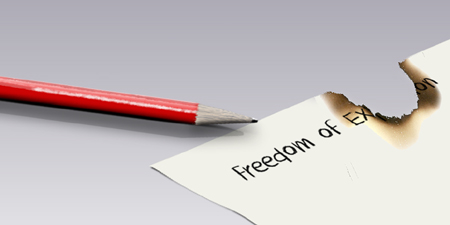
The HRCP's annual report indicates a severe decline in freedom of expression for citizens and journalists in 2016. It highlights increased media intimidation and legislation that restricts criticism against officials.Summary
ISLAMABAD - An annual report on the State of Human Rights in 2016 says the year was grim for freedom of expression of both citizens and journalists.
The report was launched by the Human Rights Commission of Pakistan (HRCP) in Islamabad Wednesday.
Asma Jahangir, a spokesperson for HRCP, presented the salient features.
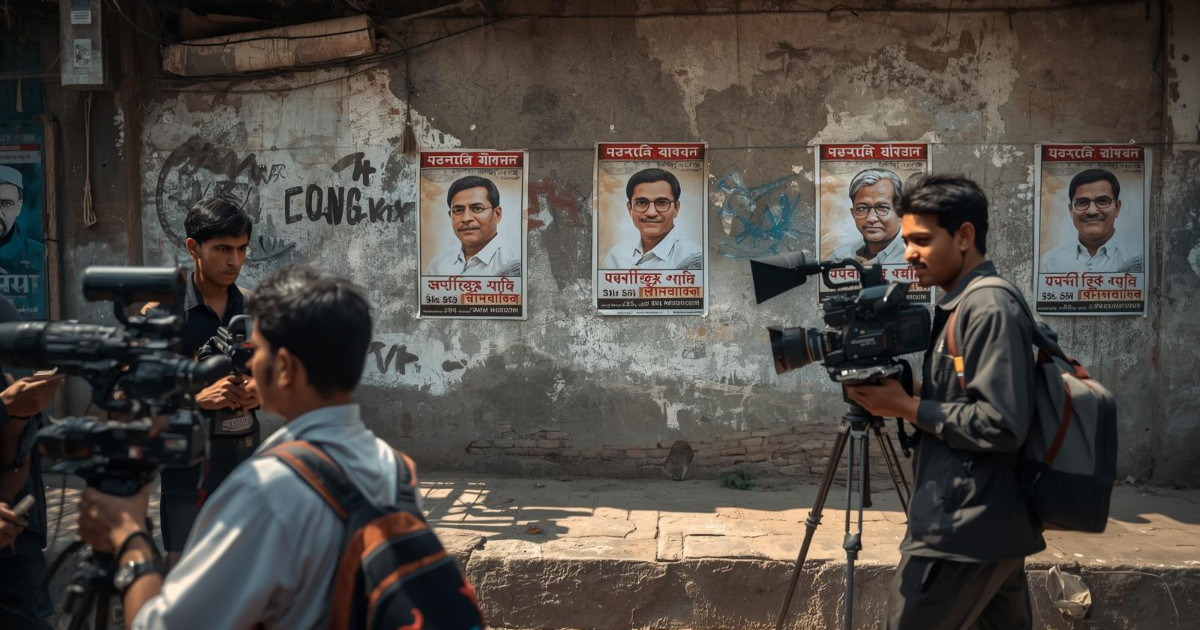
The report says killing of six journalists and a blogger and the high-profile fallout of a news report about civil-military relations dramatically escalated the environment of intimidation of the media and increased levels of self-censorship.
Adding to the pressure was the passage of the Prevention of Electronic Cybercrimes Act 2016 by the parliament, the report said. “The legislation seeks to dramatically restrict the boundaries of criticism aimed at officialdom and allows extraordinary allowance to the authorities to intercept communications by the citizens, including journalists, political activists and rights campaigners.”
Civil society activists came under slanderous attacks online for their advocacy of peace and engagement heightening tensions between certain hardliners vis-à-vis India and academicians, scholars and progressive commentators, the report said.
Author and political and security analyst Ayesha Siddiqua came under a vicious attack online by unknown sources, branding her a traitor and opening her to the risks of physical violence.
A wide-ranging crackdown by the military on non-state militancy and terrorist violence under the National Action Plan posed problems in reporting for media.
Being squeezed by the authorities, including the security establishment and electronic media regulator PEMRA, the media and its practitioners found themselves being targeted by banned militant and sectarian groups for not reporting about their public acts of violence, reporting on which is now restricted and discouraged under NAP.
The report says that PEMRA issued dozens of warnings and notices to news channels for criticizing the military, Saudi Arabia and for reporting about banned organizations.
However, it said that the irony is that while some of the banned organizations can operate in public space, reporting about events in public space involving these banned groups cannot be freely undertaken.
There was a disturbing rise in assaults on the media houses, TV channels, and newspaper offices as well as press clubs by religious groups. In two instances crude bomb and cracker attacks were carried out on ARY TV in Islamabad and Dunya TV in Faisalabad.
A critical issue for the Pakistani media in 2016, according to the report, was the still incomplete struggle to develop a specific legal and executive mechanism to combat impunity against journalists and serving justice to the aggrieved journalists and media workers.
Despite several meetings in the year, the government amenable to enacting legislation on media safety since 2014, failed to complete its consultations with stakeholders to develop a consensus draft in 2016.
KEY POINTS:
- Six journalists and a blogger were killed in 2016.
- The Prevention of Electronic Cybercrimes Act 2016 increased media restrictions.
- PEMRA issued numerous warnings to news channels for criticizing the military.
- There was a rise in assaults on media houses by religious groups.
- The government failed to enact legislation for journalist safety despite prior discussions.