
Women mount strong bids in National Press Club vote
JournalismPakistan.com | Published: 8 March 2026 | Myra Imran
Join our WhatsApp channel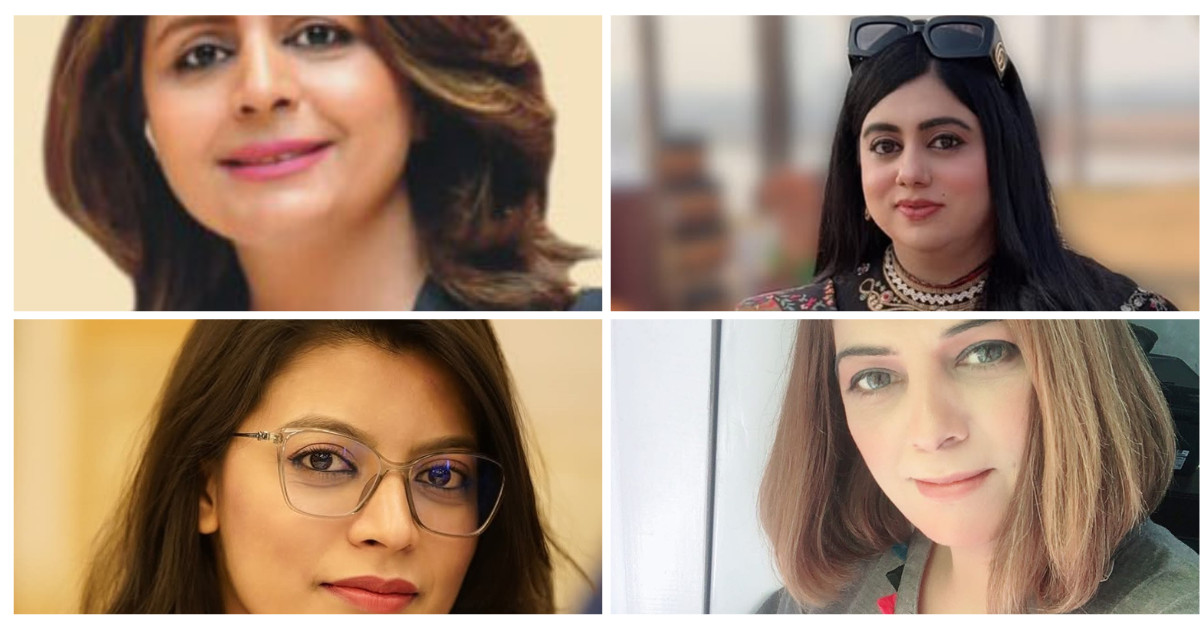
Ten women journalists are contesting National Press Club elections on March 12, including Nayyar Ali in a three-way presidential race; others seeking posts include Javeria Siddique, Ayesha Masood Malik, Sehrish Qureshi, Sadia Sahar Haidri and Shakila Jalil.Summary
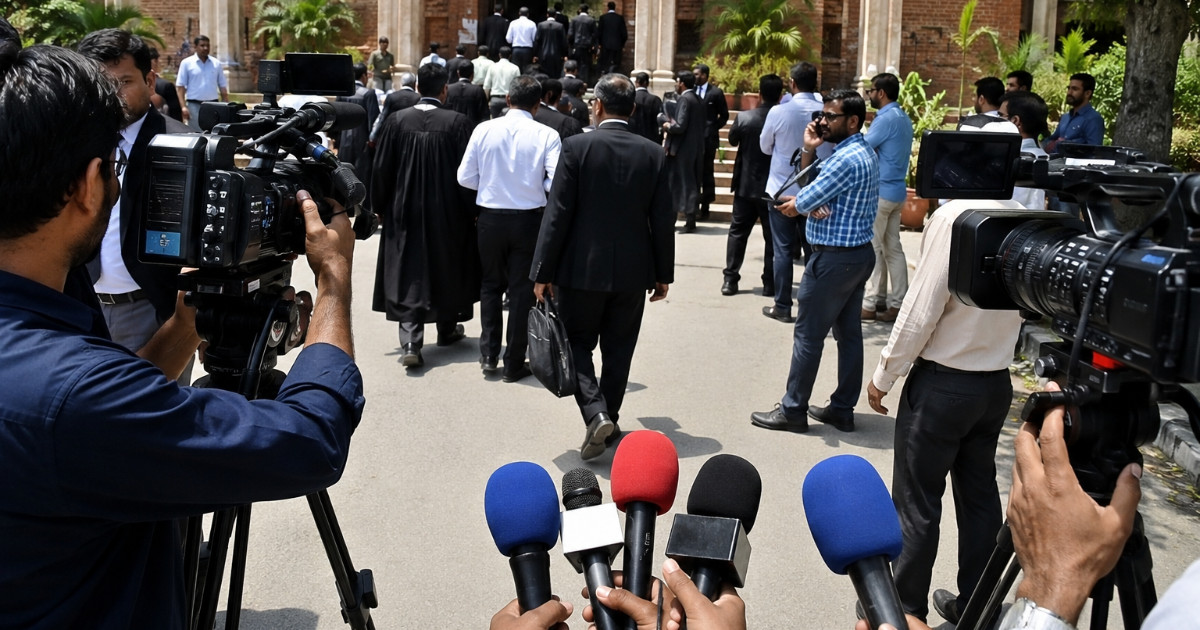
ISLAMABAD — Ten women journalists are contesting the National Press Club (NPC) elections scheduled for March 12, marking a notable moment for female participation in the governance of one of Pakistan’s most influential journalist bodies.
While the number may appear modest in a club with more than 3,000 members, it reflects a gradual but meaningful shift in representation within the institution, which has historically been dominated by male leadership.
Woman candidate enters presidential race
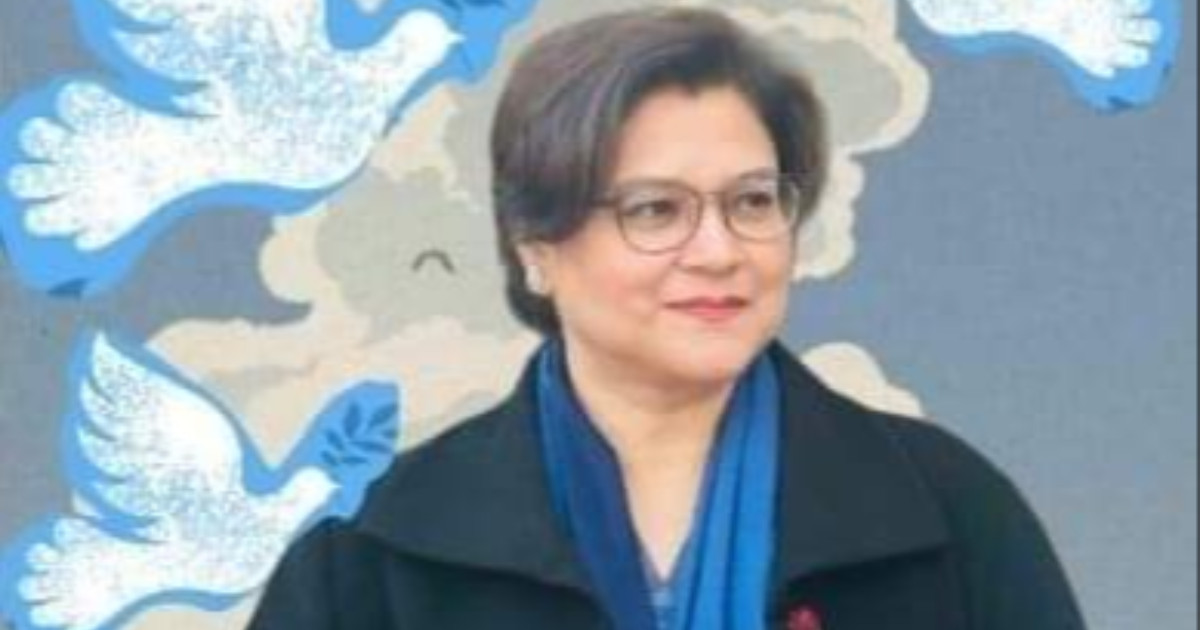
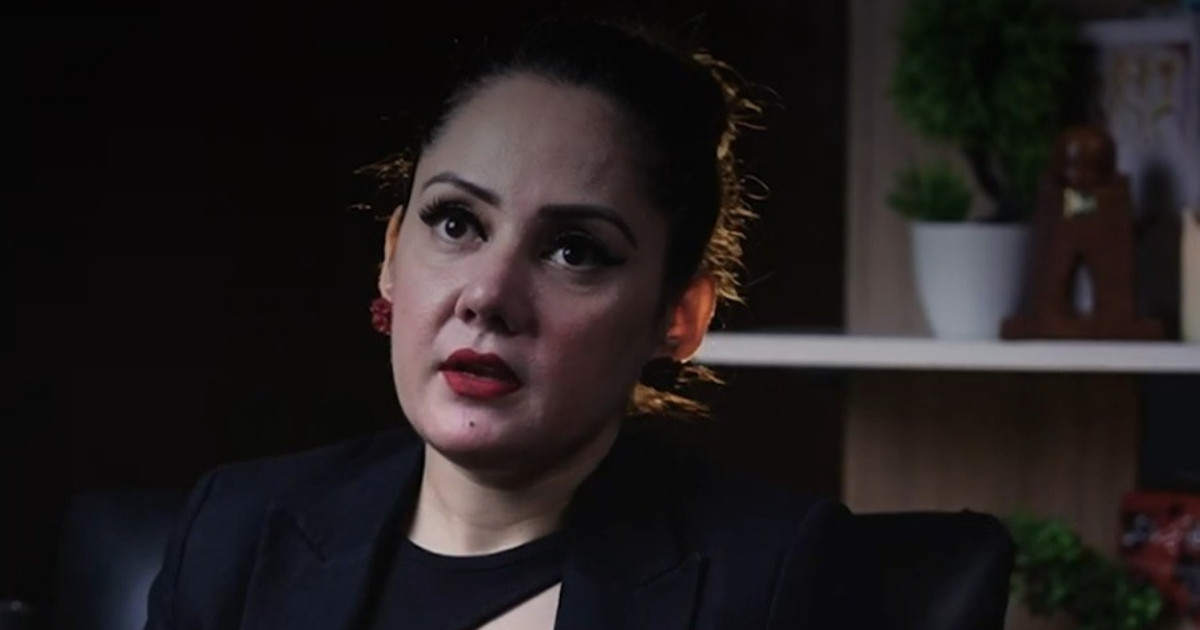
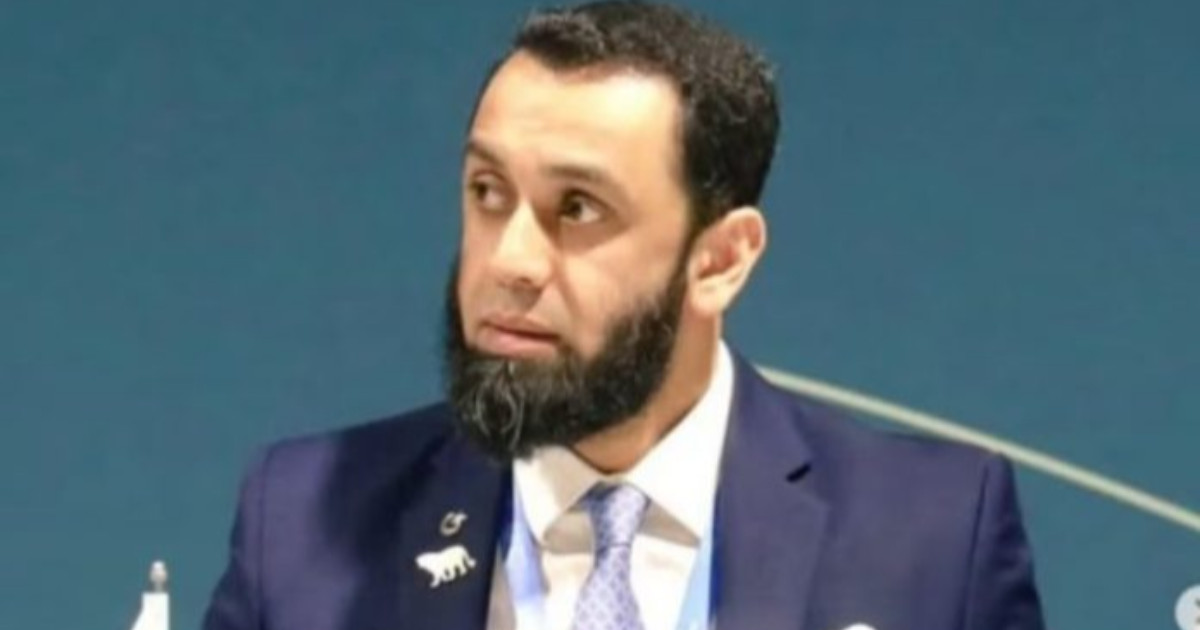
Among the most notable developments in the upcoming election is the candidacy of senior journalist Nayyar Ali (pictured, top left), who is running for the top post of president. She is competing against Abdur Razzaq Sial and Sharjeel Amjad Rao in what is shaping up to be a closely watched three-way contest.
The presence of a female candidate for the club’s highest office is drawing attention across the journalist community, as it signals growing confidence among women journalists to seek leadership roles within professional bodies.
Multiple women contest key positions
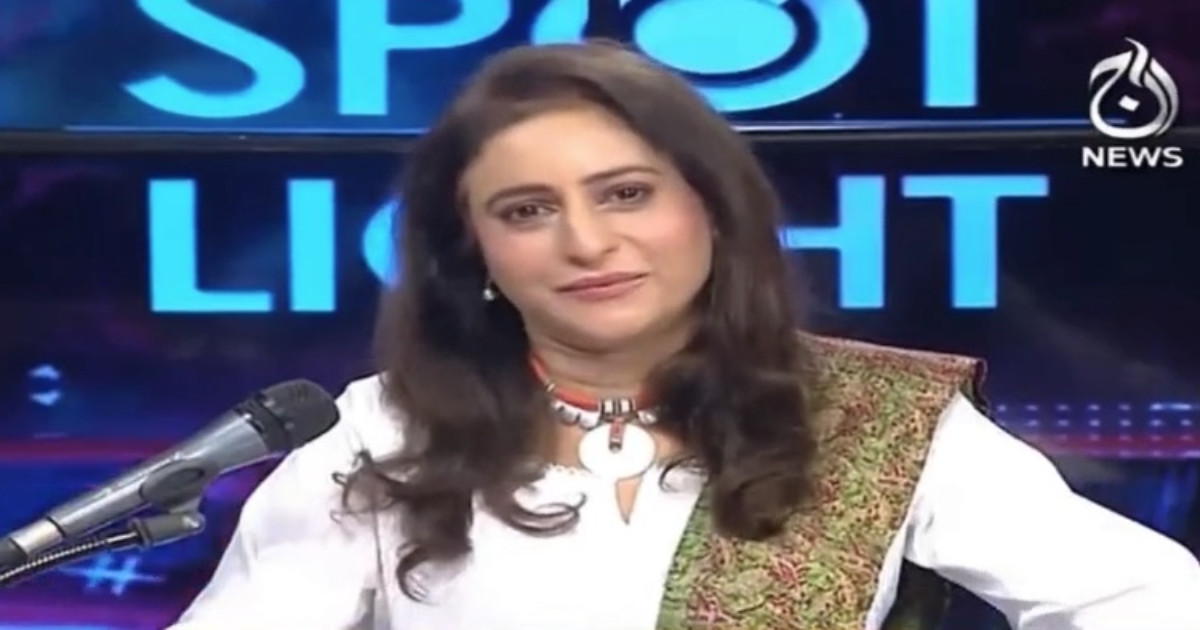
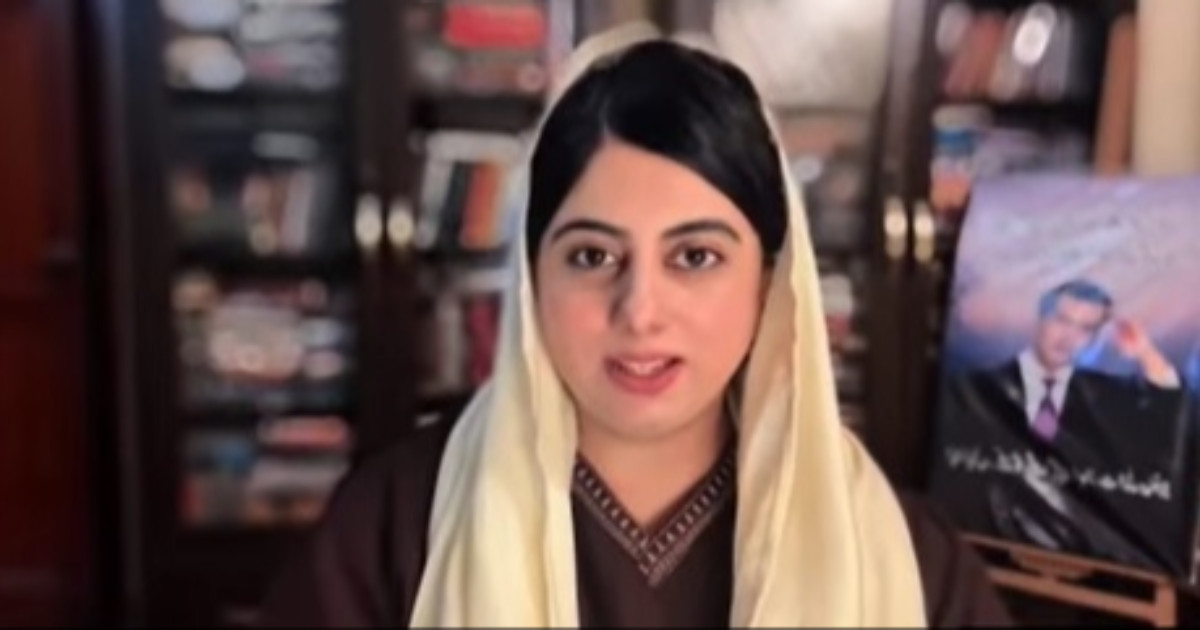
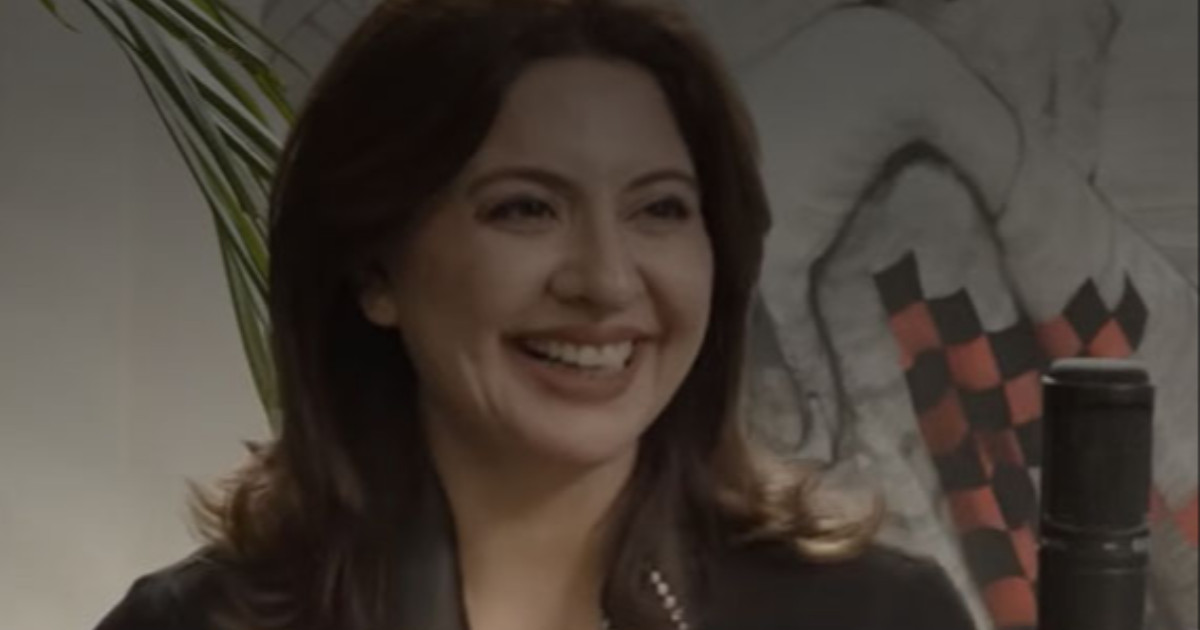
The vice president (female) seat has attracted several contenders, including Javeria Siddique (pictured, top right), the spouse of slain journalist Arshad Sharif, along with Ayesha Masood Malik and Sehrish Qureshi (pictured, bottom left). Their participation reflects a broader push by women journalists to influence the club’s leadership and policy direction.
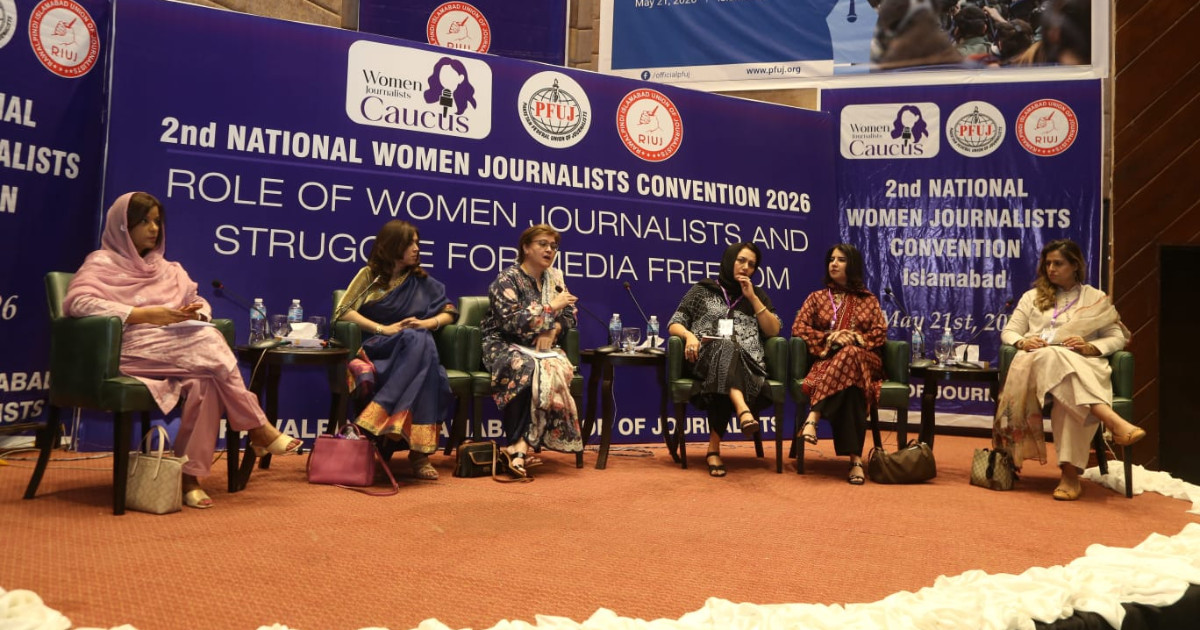
For the joint secretary (female) position, Sadia Sahar Haidri and Shakila Jalil are contesting the post. Meanwhile, four women are also running for seats on the governing body, including Arooj Raza Sayyami (pictured, bottom right), Ayesha Naz, Asia Kousar, and Farah Rabbani.
Roots of women’s representation
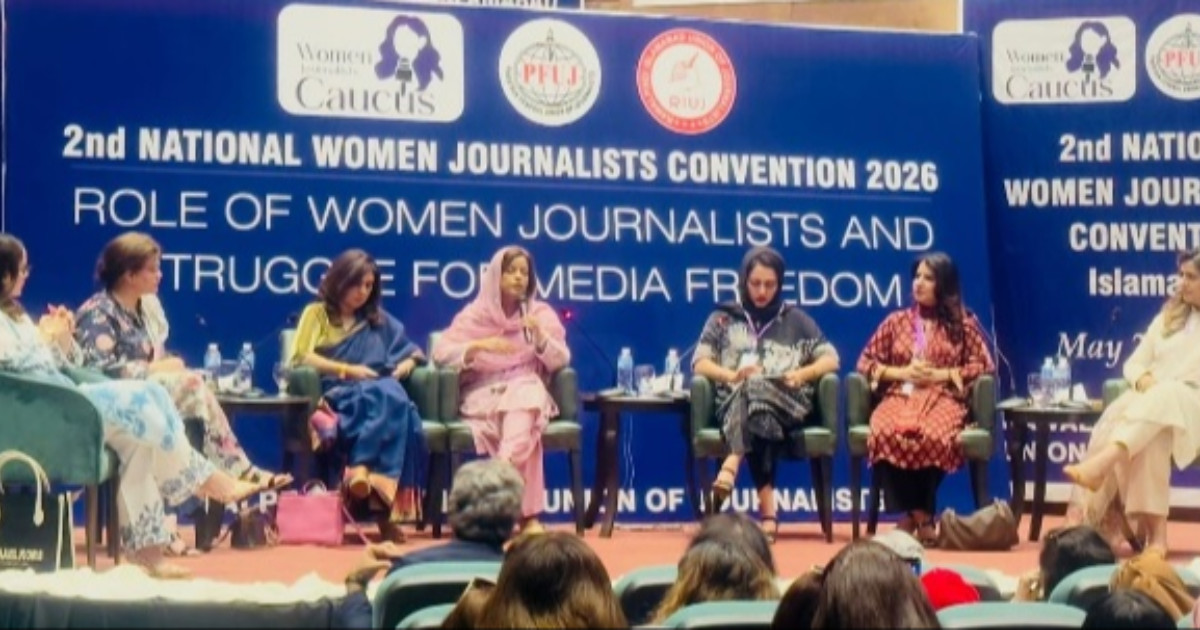
The increased presence of women candidates in press club elections has its roots in advocacy efforts over the past decade. In May 2014, the Pakistan Federal Union of Journalists (PFUJ) organized the first All-Pakistan Women Journalists Convention in Lahore, bringing together around 200 women journalists from across the country.
The convention was supported by the Aurat Foundation and Individualland and attended by rights activists, parliamentarians, media professionals, and representatives of international and civil society organizations working on media rights. Participants discussed the challenges faced by women journalists, including workplace discrimination, limited opportunities for leadership roles, and restrictions on contesting press club elections.
Issues raised at the gathering ranged from verbal and psychological harassment in newsrooms to barriers faced by women photojournalists and the lack of female editors and chief reporters. Participants also highlighted cultural challenges such as limited family support and entrenched male-dominated newsroom practices.
Reforms that opened the door
One of the key outcomes of the convention was a declaration demanding greater inclusion of women journalists in decision-making bodies. The declaration called for press club membership rights for women, a 33 percent quota for women in PFUJ and other media institutions, and improved workplace facilities, including daycare centers and harassment complaint committees.
Following the convention, PFUJ leadership pledged reforms to improve women’s representation in press club governance. That year, changes were made to the constitution of the National Press Club, Islamabad, to reserve seats for women at the decision-making level.
The reforms introduced reserved positions for a female vice president, a female joint secretary, and two governing body seats to be contested exclusively by women journalists. Since then, participation by women in NPC elections has steadily increased, and the club is often cited as one platform in Pakistan where women actively contest leadership roles.
As the March 12 elections approach, many journalists are watching closely to see whether the growing number of female candidates will translate into greater representation within the club’s executive positions and governing body.
WHY THIS MATTERS: The increased participation of women in press club elections highlights slow but important changes in Pakistan’s media institutions. For journalists and newsroom leaders, stronger female representation in professional bodies could influence policy discussions on workplace equality, safety, and professional development. It also signals a generational shift toward more inclusive leadership within the country’s media organizations.
Key Points
- Ten women journalists are contesting NPC elections on March 12.
- Nayyar Ali is running for president in a three-way race with Abdur Razzaq Sial and Sharjeel Amjad Rao.
- Vice president (female) contenders include Javeria Siddique, Ayesha Masood Malik and Sehrish Qureshi.
- Joint secretary (female) candidates include Sadia Sahar Haidri and Shakila Jalil.
- The contests reflect growing female participation in a club of more than 3,000 members historically led by men.
Key Questions & Answers
When will the National Press Club elections be held?
The elections are scheduled for March 12.
How many women are contesting the NPC elections?
Ten women journalists are contesting various posts in the upcoming elections.
Who is competing for the president's post?
Nayyar Ali is contesting the president's post in a three-way race with Abdur Razzaq Sial and Sharjeel Amjad Rao.
Which women are standing for vice president and joint secretary (female) positions?
Javeria Siddique, Ayesha Masood Malik and Sehrish Qureshi are among those for the female vice president slot; Sadia Sahar Haidri and Shakila Jalil are contesting joint secretary (female).
Relevant Topics
Ask AI: Understand this story your way
AI EnabledDig deeper, ask anything — get instant context, background, and clarity.
Disclaimer: This feature is powered by AI and is intended to help readers explore and understand news stories more easily. While we strive for accuracy, AI-generated responses may occasionally be incomplete or reflect limitations in the underlying model. This feature does not represent the editorial views of JournalismPakistan. For our full, verified reporting, please refer to the original article.