
Unrest exposes growing risks for Bangladesh’s independent press
JournalismPakistan.com | Published: 22 December 2025 | JP Asia Desk
Join our WhatsApp channel
Bangladesh's recent unrest has led to increased hostility towards major newspapers, impacting journalist safety and press freedom. Editors report challenges that complicate factual reporting amid polarized political narratives.Summary
DHAKA — Bangladesh’s recent period of unrest has coincided with heightened pressure on prominent newspapers, including Prothom Alo and The Daily Star, raising renewed concerns about press freedom and journalist safety in the country.
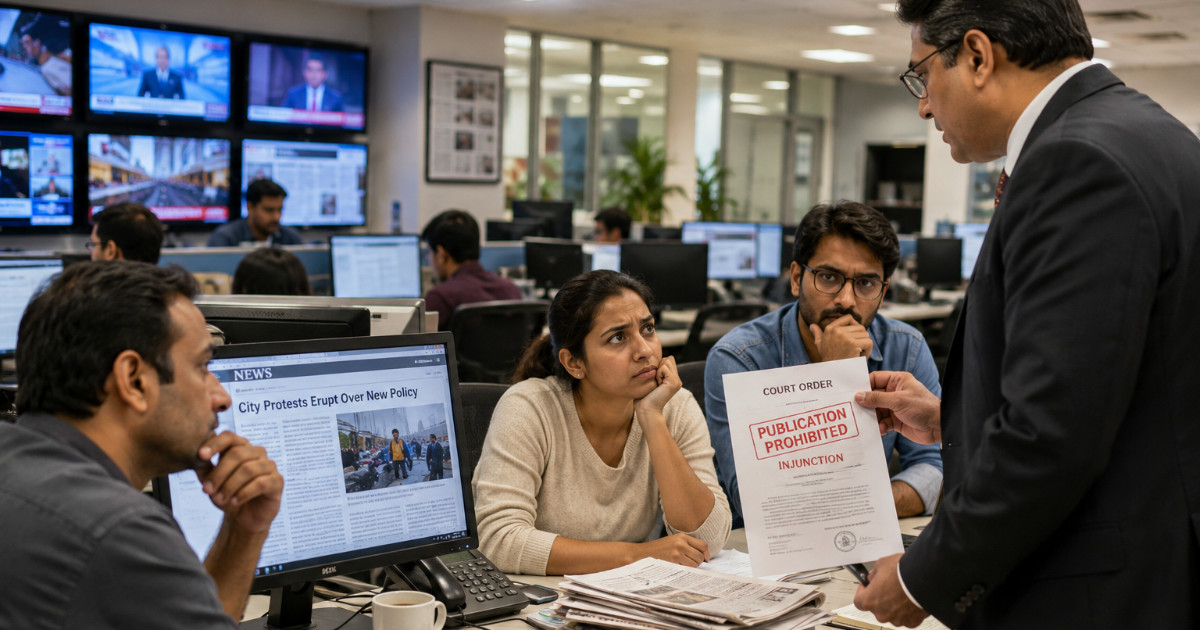
Editors and journalists have reported facing public hostility, online harassment, and operational challenges during the unrest, as polarized political narratives increasingly frame independent reporting as partisan or adversarial. Media professionals say the environment has become more volatile for newsrooms attempting to maintain factual and balanced coverage.
Media under pressure during unrest
Veteran journalists note that both Prothom Alo and The Daily Star have historically invested in sustained coverage of national history, governance, and accountability, often emphasizing non-partisan reporting standards. During periods of heightened tension, such coverage can attract criticism from multiple sides of the political spectrum.
According to journalists’ bodies and press freedom advocates, the backlash reflects broader trends in which public anger during protests or political crises is redirected toward independent media outlets. This pressure is not limited to physical safety concerns but also includes reputational attacks and efforts to undermine public trust in established news organizations.
Polarization and public sentiment
Media analysts observe that political polarization in Bangladesh has deepened in recent years, creating an environment where audiences increasingly consume news through partisan lenses. In such conditions, mainstream outlets can become targets for groups that perceive critical reporting as aligned with opposing political interests.
The current situation underscores how quickly public sentiment can shift during unrest, directly affecting newsroom operations. Journalists say that even routine reporting decisions may provoke strong reactions, complicating efforts to deliver verified information in real time.
Implications for press freedom
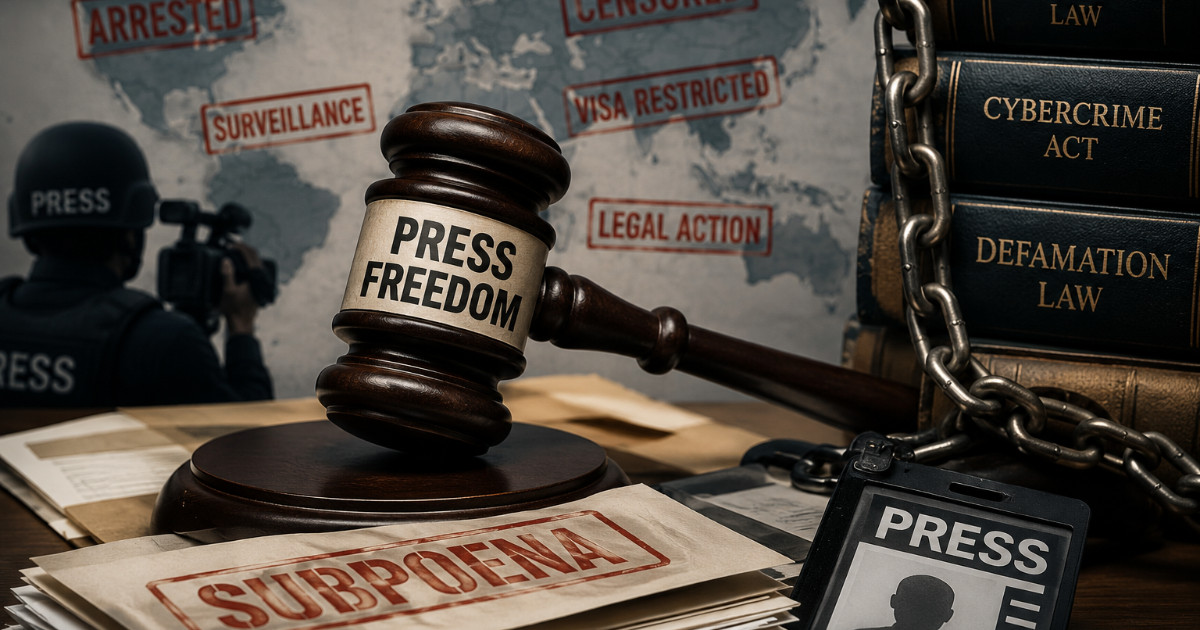
Press freedom advocates warn that sustained hostility toward major news organizations can have a chilling effect on journalism, discouraging investigative work and limiting diverse viewpoints. They stress that protecting media institutions during periods of unrest is essential to ensuring public access to reliable information.
While no single factor explains the backlash, media professionals broadly agree that political polarization, misinformation, and heightened emotions during unrest collectively contribute to an unsafe and unpredictable environment for journalists in Bangladesh.
ATTRIBUTION: Reporting based on publicly available statements from journalists, editors, and press freedom organizations, with analysis informed by veteran media professionals.
PHOTO: For illustrative purposes only
Key Points
- Leading Bangladeshi newspapers faced increased pressure during the recent unrest
- Journalists report hostility, harassment, and operational challenges
- Veteran reporters link backlash to polarized public sentiment
- Press freedom advocates warn of risks to independent journalism
- Sustained non-partisan reporting can attract criticism during crises
Relevant Topics
Ask AI: Understand this story your way
AI EnabledDig deeper, ask anything — get instant context, background, and clarity.
Disclaimer: This feature is powered by AI and is intended to help readers explore and understand news stories more easily. While we strive for accuracy, AI-generated responses may occasionally be incomplete or reflect limitations in the underlying model. This feature does not represent the editorial views of JournalismPakistan. For our full, verified reporting, please refer to the original article.