
Bangladesh press freedom remains under strain beyond protests
JournalismPakistan.com | Published: 21 December 2025 | JP Asia Desk
Join our WhatsApp channel
Bangladesh's media faces significant challenges as journalists endure ongoing threats and harassment. Independent observers warn that these conditions affect the ability of newsrooms to function freely and safely.Summary
DHAKA — Bangladesh’s media environment continues to face sustained pressure even as street protests fluctuate, with independent observers warning that risks to journalists extend well beyond moments of political unrest.
Local and international press freedom organizations say journalists and media workers have been subjected to a wide range of abuses over the past year, including physical attacks, threats, online harassment, arrests, and legal intimidation. These pressures, they note, undermine both personal safety and the ability of newsrooms to operate independently.
Patterns of pressure on journalists
Monitoring groups tracking press freedom in Bangladesh report a high volume of incidents since the political upheaval that began in August 2024, describing a pattern rather than isolated events. The cases documented include assaults during reporting, intimidation by political actors, and the use of existing laws to detain or question journalists over their work.
Media analysts say such conditions can foster self-censorship, particularly in investigative reporting on governance, corruption, and security-related issues. Editors and reporters may limit coverage or soften language to avoid reprisals, affecting the public’s access to information.
Legal and digital risks
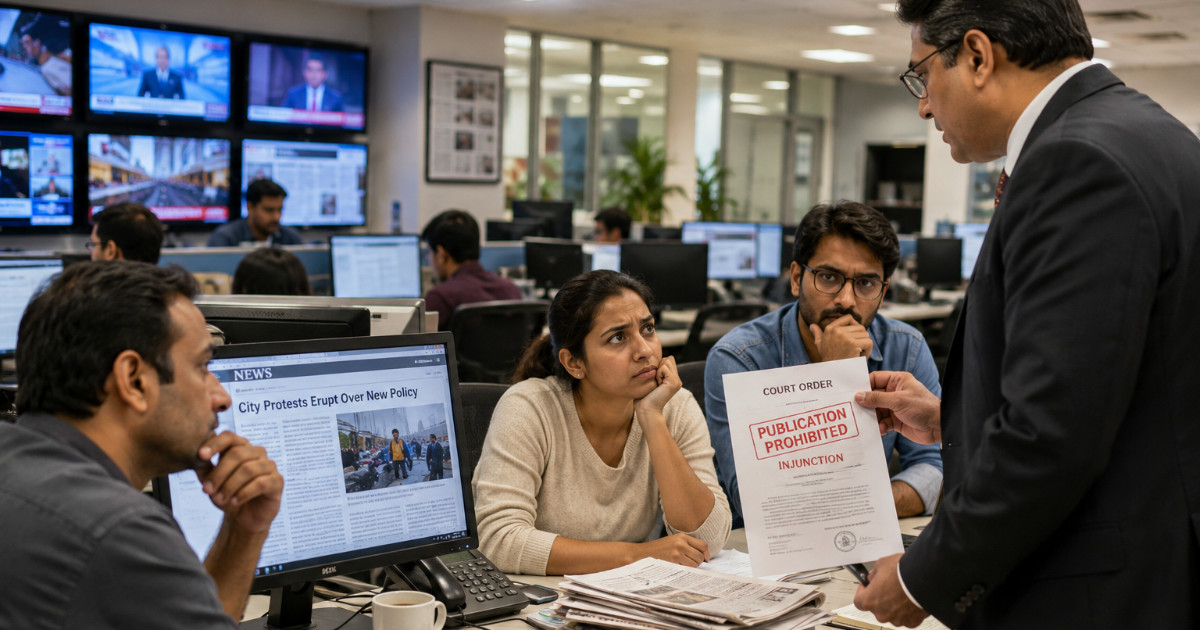
Beyond physical threats, journalists face legal and digital risks, including cases filed under laws regulating online speech and national security. Rights groups have repeatedly expressed concern that broadly worded provisions can be used against reporters for routine journalistic activities, especially on digital platforms.
The persistence of these challenges has drawn attention from regional and global media freedom advocates, who argue that sustained pressure on the press weakens democratic accountability. They emphasize that the impact is felt not only by journalists but also by audiences who rely on independent reporting to understand political and social developments.
Regional and industry implications
Bangladesh’s situation is closely watched across South Asia, where media organizations operate in similarly polarized environments. Observers note that prolonged instability for journalists can lead to talent leaving the profession, reduced investigative capacity, and increased reliance on official narratives.
POSSIBLE WAY FORWARD: Media observers suggest that one potential approach could include clearer legal safeguards for journalistic work, independent investigations into attacks on reporters, and structured dialogue between authorities, media owners, and press freedom groups to address safety and accountability concerns.
ATTRIBUTION: Reporting based on information from international press freedom organizations, local media monitoring groups, and publicly documented media reports.
Key Points
- Journalists in Bangladesh face ongoing attacks and threats beyond protests.
- Independent monitors report a consistent pattern of pressure on media.
- Legal and digital threats pose serious risks to journalistic integrity.
- Increased self-censorship is reported in sensitive reporting areas.
- Press freedom issues in Bangladesh have wider regional implications.
Relevant Topics
Ask AI: Understand this story your way
AI EnabledDig deeper, ask anything — get instant context, background, and clarity.
Disclaimer: This feature is powered by AI and is intended to help readers explore and understand news stories more easily. While we strive for accuracy, AI-generated responses may occasionally be incomplete or reflect limitations in the underlying model. This feature does not represent the editorial views of JournalismPakistan. For our full, verified reporting, please refer to the original article.