
Dhaka protests torch Prothom Alo and Daily Star offices
JournalismPakistan.com | Published: 19 December 2025
Join our WhatsApp channel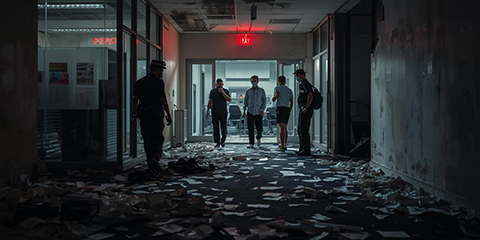
Protests in Dhaka escalated as demonstrators attacked the offices of Prothom Alo and The Daily Star. The incidents raise serious concerns about the safety of journalists ahead of upcoming elections.Summary
DHAKA — Violent protests in Bangladesh’s capital escalated sharply as demonstrators stormed and set fire to the offices of leading newspapers Prothom Alo and The Daily Star on Thursday, forcing emergency evacuations and leaving journalists trapped inside the buildings for hours.
According to police statements and accounts from newsroom staff, protesters breached the premises during unrest linked to the death of youth leader Sharif Osman Hadi. Fires were set in parts of the offices, causing damage and panic as reporters, editors, and support staff sought shelter before being evacuated to safety.
Violence erupts at major newsrooms
Video footage verified by local media and circulating widely on social platforms showed chaotic scenes inside and outside the offices, including journalists being physically attacked by mobs. Editors and reporters were seen attempting to shield colleagues as crowds moved through the premises, underscoring the vulnerability of newsrooms during rapidly unfolding political unrest.
Authorities said security forces were eventually deployed to disperse crowds and secure the buildings. No official casualty figures related to the newsroom attacks were released, and investigations into the incidents were announced by law enforcement agencies.
Implications for press freedom ahead of elections
The attacks have triggered alarm among journalists’ unions and press freedom advocates, who warned that targeting media outlets during political protests threatens both reporter safety and the public’s access to verified information. Bangladesh has experienced repeated tensions between political movements and the press, particularly during periods of heightened polarization.
With national elections scheduled for 2026, media analysts note that the ability of major outlets to operate without intimidation will be critical to election coverage and public accountability. While authorities have pledged to restore order, newsroom leaders are calling for concrete measures to protect journalists and hold perpetrators accountable.
ATTRIBUTION: Reporting based on police statements, newsroom accounts, and verified video footage circulated by Bangladeshi media outlets and journalist organizations.
PHOTO: AI-generated; for illustrative purposes only
Key Points
- Protesters stormed and set fire to Prothom Alo and The Daily Star offices on December 18.
- Journalists were trapped inside buildings before being evacuated.
- Video footage showed reporters and editors physically attacked.
- Unrest followed the death of youth leader Sharif Osman Hadi.
- Incidents raise concerns over press safety ahead of 2026 elections.
Relevant Topics
Ask AI: Understand this story your way
AI EnabledDig deeper, ask anything — get instant context, background, and clarity.
Disclaimer: This feature is powered by AI and is intended to help readers explore and understand news stories more easily. While we strive for accuracy, AI-generated responses may occasionally be incomplete or reflect limitations in the underlying model. This feature does not represent the editorial views of JournalismPakistan. For our full, verified reporting, please refer to the original article.