.jpg)
Global bodies condemn attacks on journalists in Bangladesh
JournalismPakistan.com | Published: 21 December 2025 | JP Asia Desk
Join our WhatsApp channel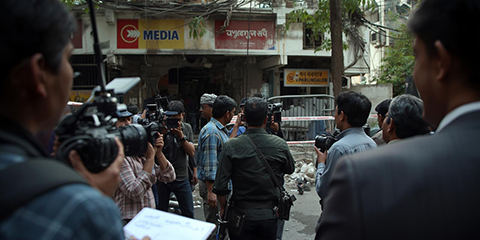
International organizations have condemned recent attacks on journalists in Bangladesh, emphasizing the threat to press freedom. The violence raises concerns about public trust and democratic accountability.Summary
DHAKA — Global and diplomatic bodies have strongly condemned recent attacks on journalists and media outlets in Bangladesh, warning that violence against the press threatens both public trust and democratic accountability. The statements followed incidents in which media houses were targeted during periods of political unrest, raising renewed concerns about journalist safety in the country.
International organizations stressed that journalists must be able to report freely without fear of intimidation or physical harm. Media advocates noted that attacks on newsrooms not only endanger reporters and editors but also disrupt the public’s access to verified information at critical moments.
Global condemnation and calls for accountability
The International News Media Association, PEN Bangladesh, the Media Freedom Coalition, and the United Nations were among the bodies that issued statements denouncing the violence. Several international human rights organizations echoed these concerns, calling on authorities to ensure swift investigations and hold perpetrators accountable in line with domestic and international obligations.
These groups emphasized that Bangladesh, as a signatory to multiple international human rights instruments, has a responsibility to safeguard freedom of expression and the safety of media workers. They also urged restraint by all actors during periods of heightened political tension.
Wider concerns over press safety and civic space
Observers say the attacks reflect broader regional and global trends in which journalists increasingly face risks while covering protests, elections, and governance issues. Media analysts noted that shrinking civic space and rising polarization often place news organizations at the center of conflict environments.
Local journalist unions and press freedom advocates have repeatedly called for improved safety protocols, better coordination with law enforcement, and clearer accountability mechanisms to deter future attacks. They argue that sustained inaction could further erode confidence in the country’s media environment.
POSSIBLE WAY FORWARD: Media observers suggest one potential approach could include independent investigations into attacks on journalists, stronger enforcement of existing protections, and structured dialogue between authorities, media owners, and journalist unions, drawing on best practices recommended by international press freedom bodies.
ATTRIBUTION: Reporting based on public statements issued by international media organizations, diplomatic groups, and human rights bodies.
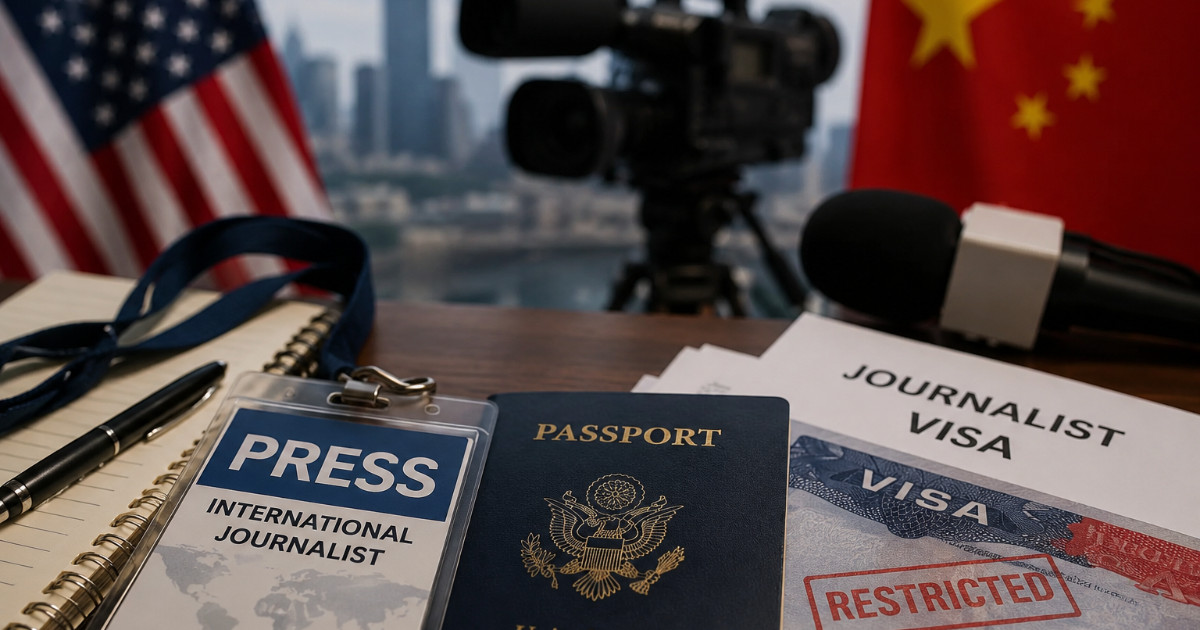
PHOTO: AI-generated; for illustrative purposes only
Key Points
- Global media and diplomatic organizations condemned attacks on journalists in Bangladesh.
- Statements followed incidents targeting media houses during political unrest.
- INMA, PEN Bangladesh, the Media Freedom Coalition, and the UN issued denunciations.
- Rights groups called for accountability and protection of media workers.
- Concerns were raised about shrinking civic space and press safety.
Relevant Topics
Ask AI: Understand this story your way
AI EnabledDig deeper, ask anything — get instant context, background, and clarity.
Disclaimer: This feature is powered by AI and is intended to help readers explore and understand news stories more easily. While we strive for accuracy, AI-generated responses may occasionally be incomplete or reflect limitations in the underlying model. This feature does not represent the editorial views of JournalismPakistan. For our full, verified reporting, please refer to the original article.