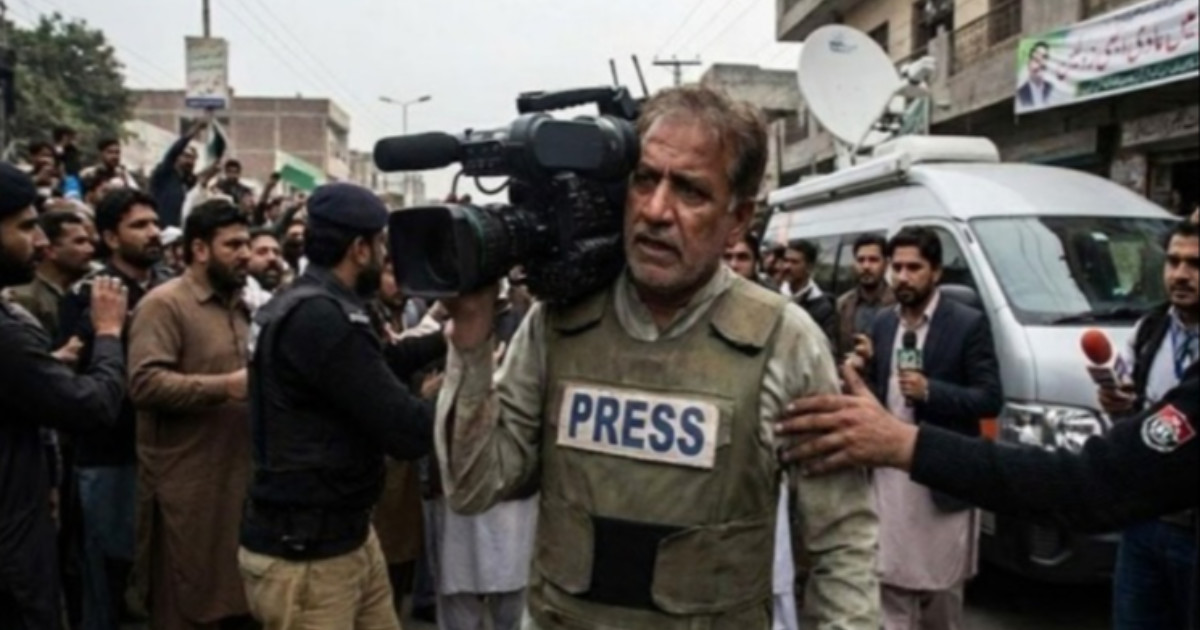

Tunisian court jails two journalists in latest media case
JournalismPakistan.com | Published: 23 January 2026 | JP Global Monitoring
Join our WhatsApp channel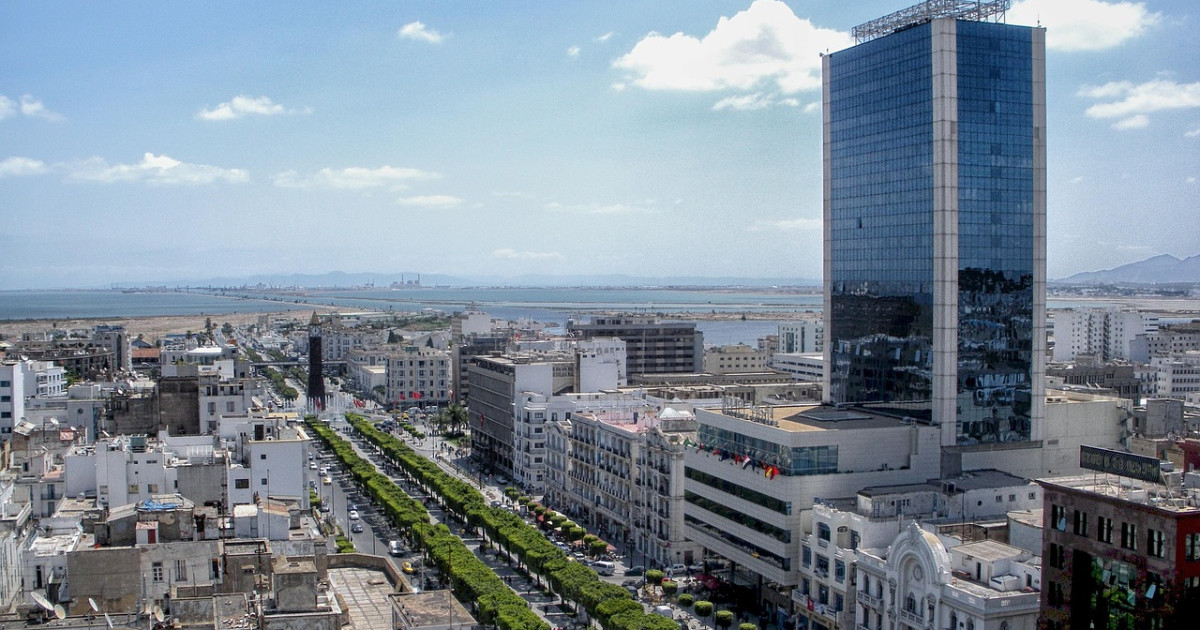
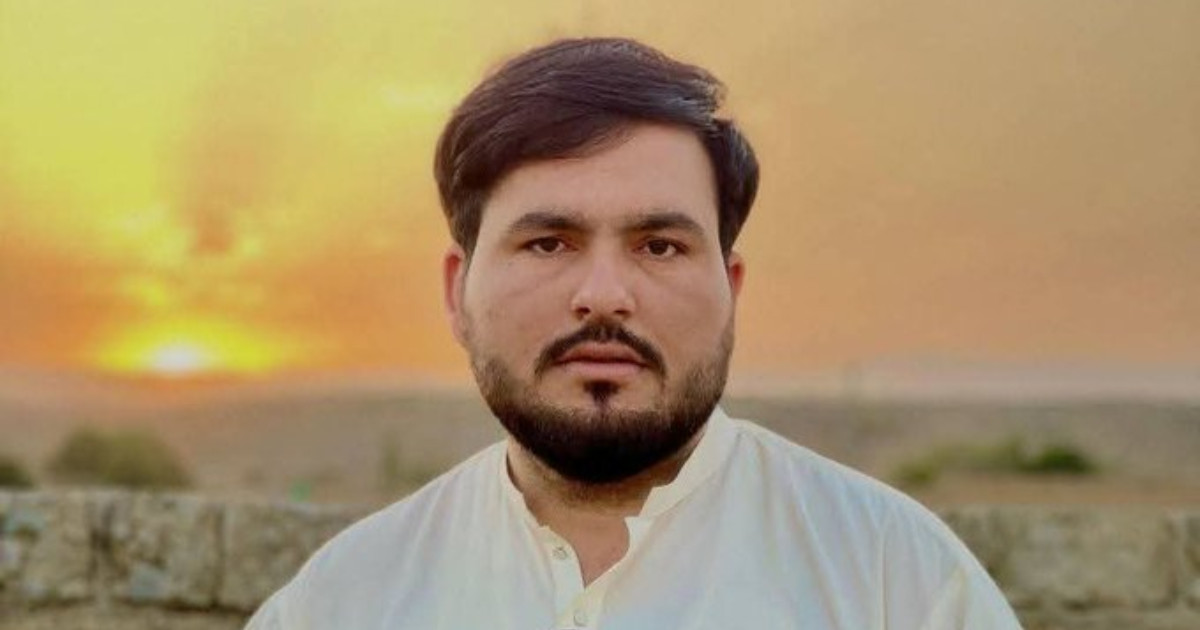
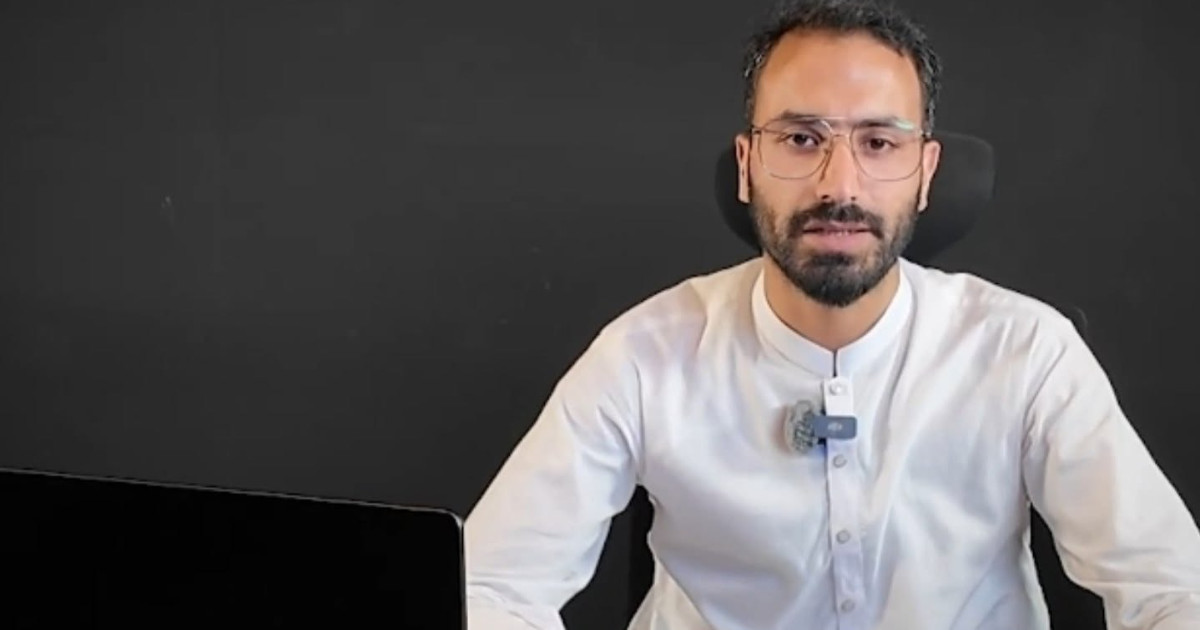
A Tunisian court has sentenced journalists Bohran Bssaies and Mourad Zghidi to 3.5 years in prison, Reuters reported. The decision underscores growing legal risks for independent media in Tunisia and broader regional concern about penalizing reporting.Summary
TUNIS, Tunisia — A Tunisian court on January 22 sentenced journalists Bohran Bssaies and Mourad Zghidi to three and a half years in prison, a ruling that underscores continuing legal pressure on independent reporting in the country. The decision was reported by Reuters and comes amid heightened scrutiny of how courts in the Middle East and North Africa are handling cases involving journalists.
The sentencing has renewed concern among media observers about the use of criminal penalties against journalists for their work. While the full court judgment has not been made public in detail, the outcome adds to a growing list of cases in which Tunisian journalists have faced prosecution under existing laws.
Legal pressure on independent media
Tunisia has long been regarded as having one of the more pluralistic media environments in the region following the 2011 uprising. However, journalists and editors have increasingly reported facing legal uncertainty, with court cases and investigations becoming a central risk for those covering politics and governance.
The case involving Bssaies and Zghidi reflects this broader climate, in which legal action itself can have a chilling effect on reporting, regardless of the eventual outcome of appeals or reviews. Media professionals say such cases are closely watched across the region because they often signal how far authorities may go in using the judiciary to regulate speech.
Regional implications for press freedom
Across the Middle East and North Africa, journalists frequently operate under laws that allow for prison sentences for offenses related to publication, national security, or public order. The Tunisian ruling is therefore seen by analysts as part of a wider regional pattern rather than an isolated incident.
For regional newsrooms, the case highlights the importance of legal preparedness and cross-border solidarity among journalists. It also raises questions about how international partners and press freedom organizations will respond as similar cases continue to emerge.
ATTRIBUTION: Reporting by Reuters; additional context based on publicly documented regional media law developments.
PHOTO: Pixabay
Key Points
- On Jan. 22 a Tunisian court sentenced Bohran Bssaies and Mourad Zghidi to three and a half years in prison.
- The verdict was reported by Reuters and adds to recent prosecutions of journalists in Tunisia.
- The case illustrates increasing legal pressure and uncertainty faced by independent media.
- Observers warn such prosecutions can have a chilling effect on reporting regardless of appeals.
- The ruling raises wider regional concerns about criminal penalties for journalism in the MENA region.
Relevant Topics
Ask AI: Understand this story your way
AI EnabledDig deeper, ask anything — get instant context, background, and clarity.
Disclaimer: This feature is powered by AI and is intended to help readers explore and understand news stories more easily. While we strive for accuracy, AI-generated responses may occasionally be incomplete or reflect limitations in the underlying model. This feature does not represent the editorial views of JournalismPakistan. For our full, verified reporting, please refer to the original article.