
Tunisia journalists' union flags widening repression of media
JournalismPakistan.com | Published: 16 December 2025 | JP Global Monitoring Desk
Join our WhatsApp channel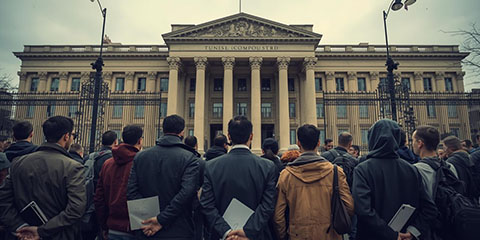
The National Syndicate of Journalists in Tunisia has raised concerns over increasing detentions and legal actions against reporters. Authorities are reportedly using laws beyond the press protections established in Decree 115, contributing to a climate of fear among media professionals.Summary
TUNIS — Tunisia’s National Syndicate of Journalists issued a warning on December 15 that authorities are increasingly detaining reporters and prosecuting them outside the protections of the country’s press law, Decree 115, in what the union described as part of an escalating effort to stifle dissent. The union leader said several journalists have been held for months over their opinions or writings and are being tried outside the legal framework that should govern press freedoms in the country. Reuters and regional groups have reported a broader pattern of prosecutions and prison sentences under other laws, including cybercrime and public order provisions, that rights advocates say undermine constitutional protections and freedom of expression.
Union highlights legal erosion and media risks
Journalists in Tunisia face heightened legal and physical risks, with the journalists' union noting that authorities have used judicial, administrative, and security measures to limit reporting freedoms. These actions include restrictions on reporting in public spaces, limits on attending court hearings, and prolonged detentions that fall outside the procedural protections that Decree 115 is meant to ensure. Human rights organizations have documented many cases of media workers prosecuted under outdated or broadly written laws such as those criminalizing “fake news” and other offences.
Some local observers and rights groups say the trend reflects a broader political context in Tunisia since President Kais Saied assumed exceptional powers in 2021, dissolved parliament, and curtailed judicial independence. Prosecutions of journalists and others critical of the government have continued, with at least dozens of cases brought against reporters and media workers in recent years. Critics argue that bringing journalists to trial under statutes outside the press law undermines both legal safeguards and public confidence in the rule of law.
Impact on independent media and international concerns
The union’s warning comes as independent media outlets and journalists have reported increased pressures that threaten their operations. Regional press freedom monitors say that courts have issued prison sentences and detention orders against journalists for reporting that challenge official narratives, and that legal harassment has contributed to a climate of fear and self-censorship among media professionals. Observers note that such actions, while framed by authorities as lawful enforcement of other statutes, erode the protections historically afforded to journalists under Decree 115 and the 2011 press law.
Tunisia’s press law was originally designed to protect journalists from imprisonment related to their professional activities, but recent legal practices have seen authorities pursue charges under alternative provisions, including those on cybercrime and national security offences. Rights groups argue that this approach effectively nullifies the intent of press protections and weakens democratic norms.
ATTRIBUTION: Reporting compiled from Middle East Monitor and corroborated by regional press freedom reports and human rights documentation.
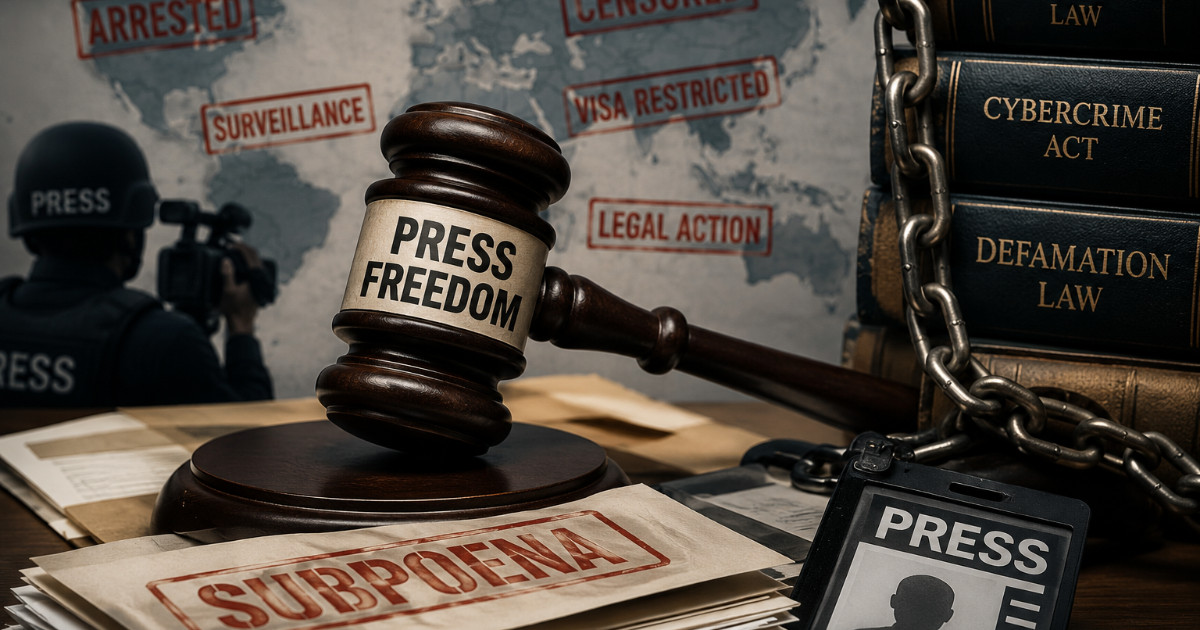
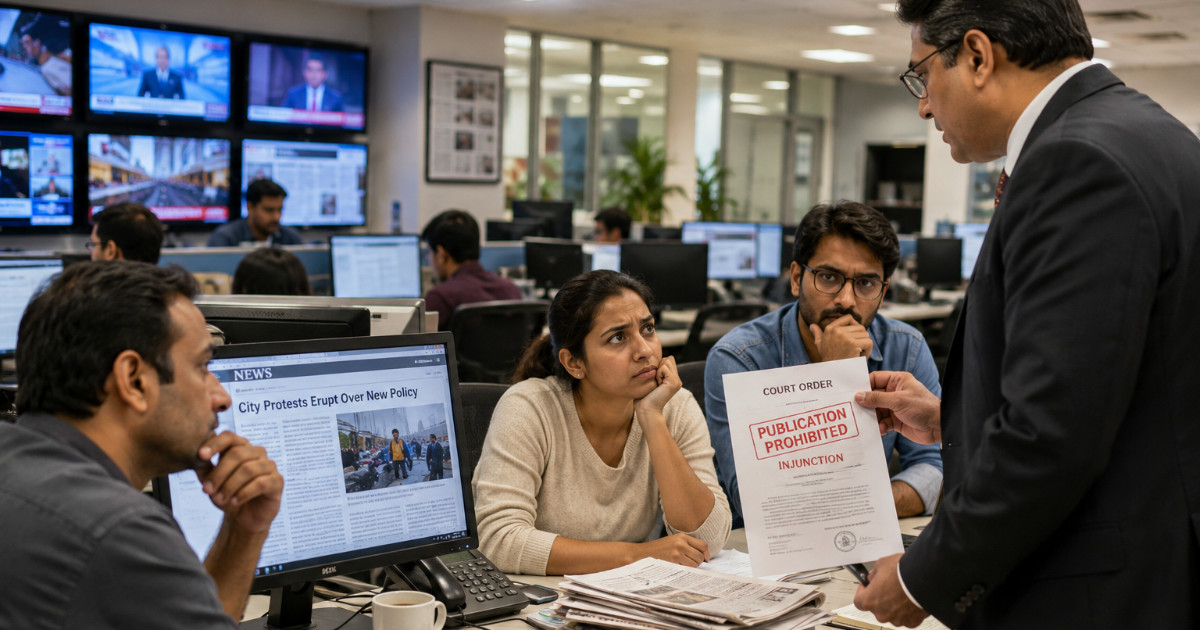
PHOTO: AI-generated; for illustrative purposes only.
Key Points
- Increasing detentions and prosecutions of reporters outside press law protections
- Authorities target journalists using cybercrime and other penal laws
- Legal actions contribute to fear and self-censorship in the media
- Crackdown linked to political consolidation under President Kais Saied
- Independent media outlets face heightened pressures and legal harassment
Relevant Topics
Ask AI: Understand this story your way
AI EnabledDig deeper, ask anything — get instant context, background, and clarity.
Disclaimer: This feature is powered by AI and is intended to help readers explore and understand news stories more easily. While we strive for accuracy, AI-generated responses may occasionally be incomplete or reflect limitations in the underlying model. This feature does not represent the editorial views of JournalismPakistan. For our full, verified reporting, please refer to the original article.