
Board resignations hit Australia’s top journalism awards body
JournalismPakistan.com | Published: 16 December 2025 | JP Global Monitoring Desk
Join our WhatsApp channel
A governance dispute has led to the resignation of several board members from Australia's Walkley Foundation. The situation raises concerns about the integrity and independence of the Walkley Awards.Summary
SYDNEY — A governance dispute within Australia’s Walkley Foundation has escalated into a high-profile crisis, prompting the resignation of several prominent journalists from the organization’s board. The Walkley Foundation oversees the Walkley Awards, widely regarded as Australia’s most prestigious honors for journalistic excellence.
The resignations followed internal disagreements over governance structures, including questions about independent oversight and the handling of sponsorship and partnership rules. Public statements from those departing have pointed to concerns that existing arrangements could undermine confidence in the awards’ independence and credibility.
Governance concerns and board resignations
At the center of the dispute are differing views on how the foundation should balance industry partnerships with safeguards that protect editorial independence. Board members who stepped down said stronger governance mechanisms were needed to ensure transparency and protect the reputation of the awards.
The Walkley Foundation has acknowledged the departures and said it is reviewing its governance framework. It has emphasized its commitment to maintaining trust in the awards process and ensuring decisions are made in the best interests of journalism and the public.
Tensions with unions and industry bodies
The controversy has also highlighted tensions involving the Media, Entertainment and Arts Alliance, the journalists’ union historically linked to the Walkley Awards. Questions around the respective roles of the foundation, the union, and sponsors have fueled debate about influence and accountability within award-giving institutions.
Media analysts note that such disputes are not unique to Australia. Around the world, journalism awards bodies face increasing scrutiny over funding sources, governance models, and perceived conflicts of interest, particularly as news organizations grapple with financial pressures.
Broader implications for journalism credibility
The Walkley dispute has sparked broader discussion within the media sector about how excellence in journalism should be recognized and protected. While awards play a key role in setting professional standards, critics argue that credibility depends on clear governance, independence, and transparency.
How the Walkley Foundation resolves the current crisis may shape future expectations not only in Australia but also among international journalism awards bodies watching closely for lessons on governance and trust.
ATTRIBUTION: Reporting based on public statements and information from the Walkley Foundation and the Media, Entertainment and Arts Alliance.
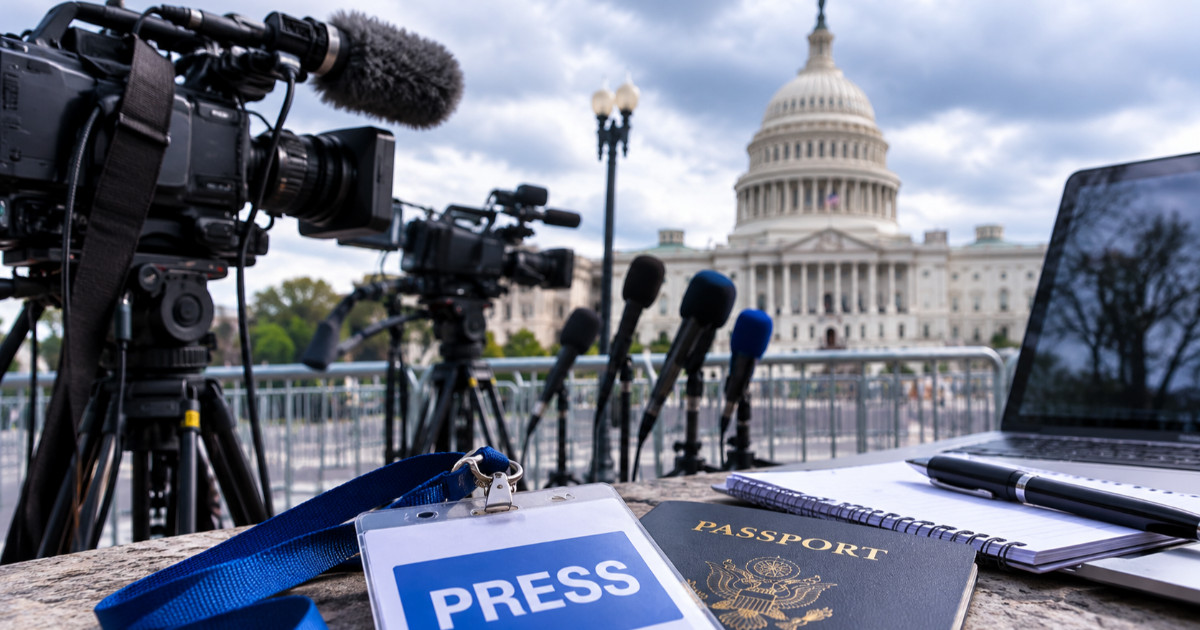
PHOTO: AI-generated; for illustrative purposes only.
Key Points
- Board resignations at the Walkley Foundation followed disputes over governance and oversight.
- Concerns focused on sponsorship rules and the independence of Australia's top journalism awards.
- The foundation says it is reviewing governance arrangements amid industry scrutiny.
- The dispute reflects wider global debates about credibility and transparency in journalism awards.
Relevant Topics
Ask AI: Understand this story your way
AI EnabledDig deeper, ask anything — get instant context, background, and clarity.
Disclaimer: This feature is powered by AI and is intended to help readers explore and understand news stories more easily. While we strive for accuracy, AI-generated responses may occasionally be incomplete or reflect limitations in the underlying model. This feature does not represent the editorial views of JournalismPakistan. For our full, verified reporting, please refer to the original article.