.png)
Three global press freedom reports explained simply
JournalismPakistan.com | Published: 21 January 2026 | JP Staff Report
Join our WhatsApp channel
This explainer clarifies three major global press freedom reports, what they measure, including legal safeguards, political and economic pressures, sociocultural factors and safety, and how reporters should interpret methodological differences and rankings.Summary
ISLAMABAD — Press freedom is measured and debated worldwide through a small number of influential global reports. These studies are often cited by governments, news organizations, and advocacy groups, yet their methods and findings can be confusing even for media professionals.
This explainer breaks down three widely referenced global press freedom reports, what they measure, how they differ, and how journalists should interpret them. The goal is to clarify the basics without oversimplifying how these assessments work.
What is a press freedom report, and why do they matter?
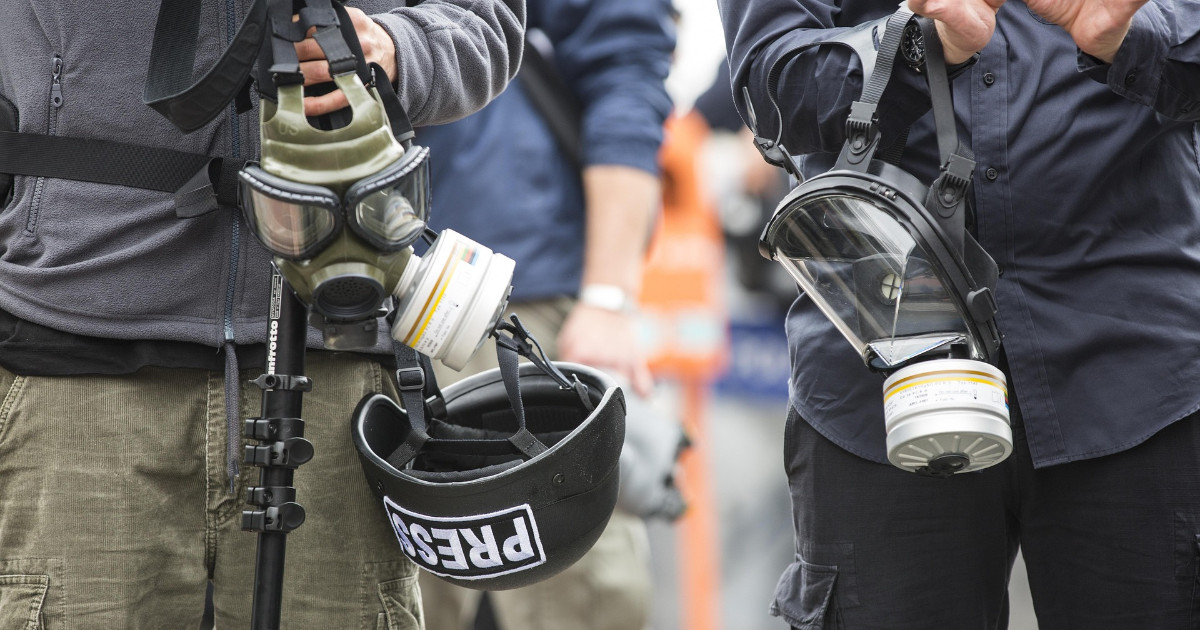
Press freedom reports aim to assess how freely journalists and news organizations can operate in a given country. They typically examine legal protections, political pressure, economic constraints, safety risks, and the overall media environment. Policymakers, international organizations, and researchers often use these reports as benchmarks to track changes over time or compare countries.
These reports do not function as news investigations. Instead, they combine expert analysis, surveys, and documented incidents to provide a structured snapshot of media conditions during a defined period.
Which report is most commonly cited worldwide?
The World Press Freedom Index, published annually by Reporters Without Borders, also known by its French acronym RSF, is one of the most frequently referenced global rankings. It evaluates countries based on multiple indicators, including political context, legal framework, economic pressures, sociocultural factors, and journalist safety.
RSF relies on questionnaires completed by media experts and data on abuses against journalists. The final output is a ranked list of countries, which makes the report highly visible but also means small score changes can lead to noticeable ranking shifts. RSF itself cautions that rankings should be read alongside the underlying scores and country narratives.
How does Freedom House assess press freedom?
Freedom House previously published a standalone Freedom of the Press report and now incorporates media freedom analysis into its broader Freedom in the World assessments. Its approach focuses on the legal, political, and economic environments affecting the media.
Freedom House assigns countries to categories based on their overall level of freedom. Media freedom is assessed as part of a wider evaluation of civil liberties and political rights. This makes its findings especially relevant for understanding how press conditions fit into broader democratic or authoritarian systems rather than as a media-only snapshot.
What is different about the V-Dem Democracy Report?
The Varieties of Democracy, or V-Dem, project is an academic initiative involving hundreds of researchers worldwide. Its annual Democracy Report includes detailed indicators on media freedom, censorship, harassment of journalists, and state control of information.
Unlike rankings designed for public comparison, V-Dem emphasizes long-term trends and granular data. Scholars and policy analysts often use its media indicators to study how information environments change over time. Because it relies heavily on expert-coded data, it is less focused on headlines and more on underlying patterns.
How should journalists read these reports critically?
No single report can fully capture the complexity of media freedom in every country. Methodologies differ, and each organization prioritizes different aspects of the media environment. Journalists should avoid treating rankings as definitive judgments and instead examine country profiles, methodological notes, and year-to-year trends.
Comparing multiple reports can be useful, especially when they point in the same direction. When they diverge, the differences often reflect methodological choices rather than factual disputes.
What makes these reports useful despite their limits?
Press freedom reports serve as a common reference point for discussions about media conditions worldwide. They help identify patterns, highlight risk areas, and support advocacy with documented frameworks. For journalists, they offer context rather than conclusions, helping explain why media environments are improving, stagnating, or deteriorating.
Used carefully, these reports can inform coverage, strengthen analysis, and support evidence-based discussions about the state of journalism worldwide.
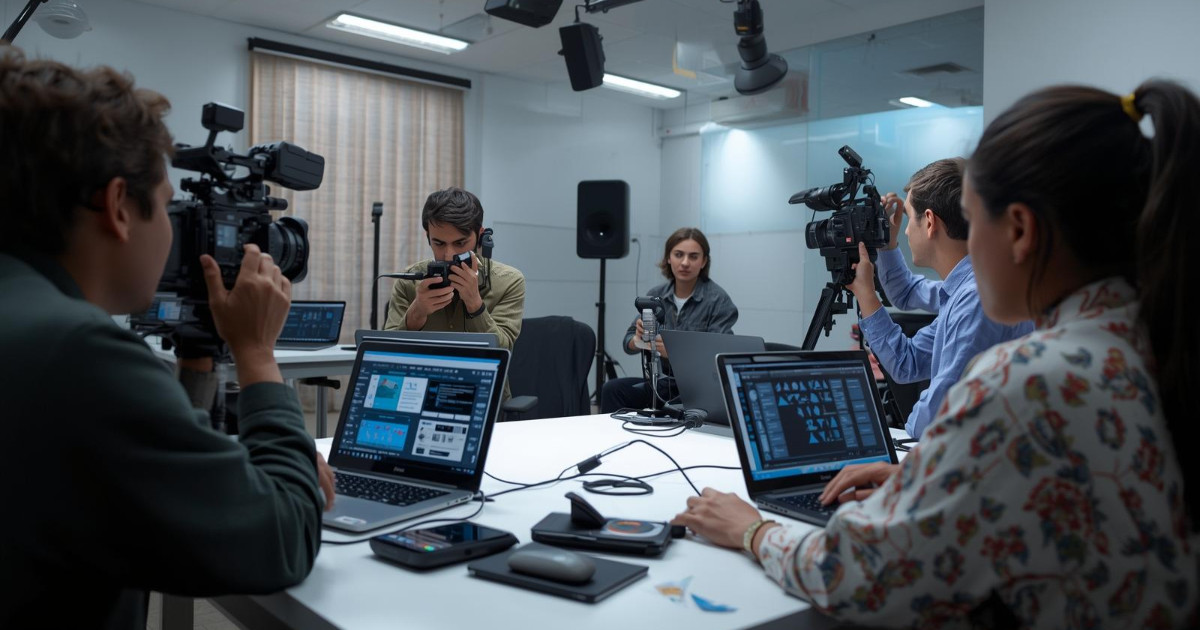
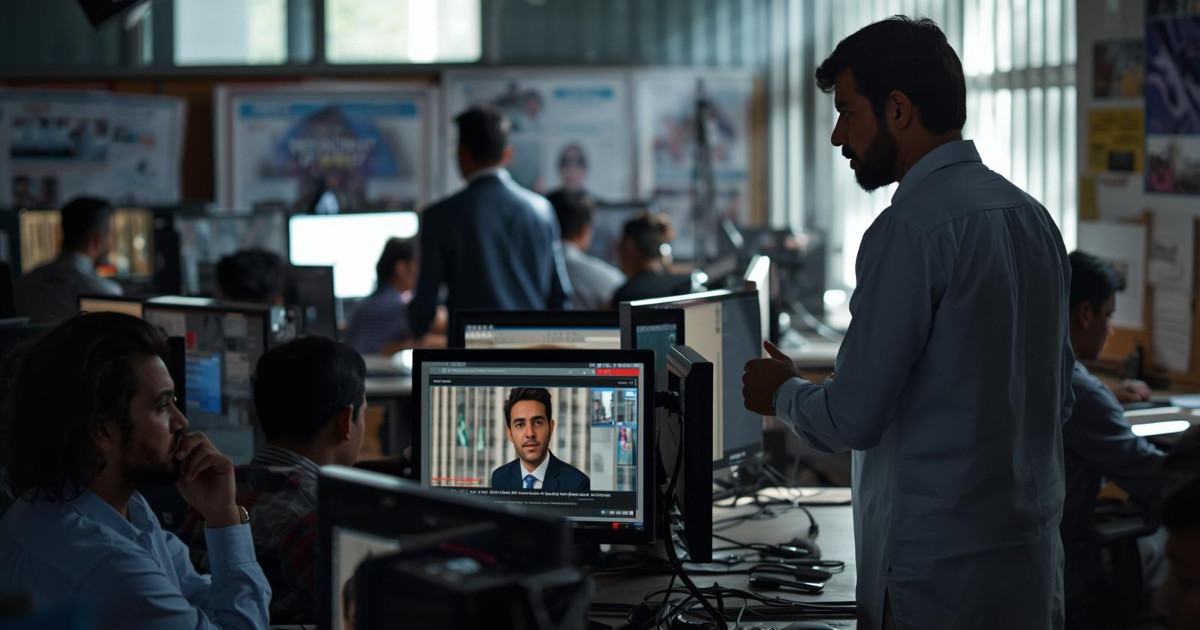
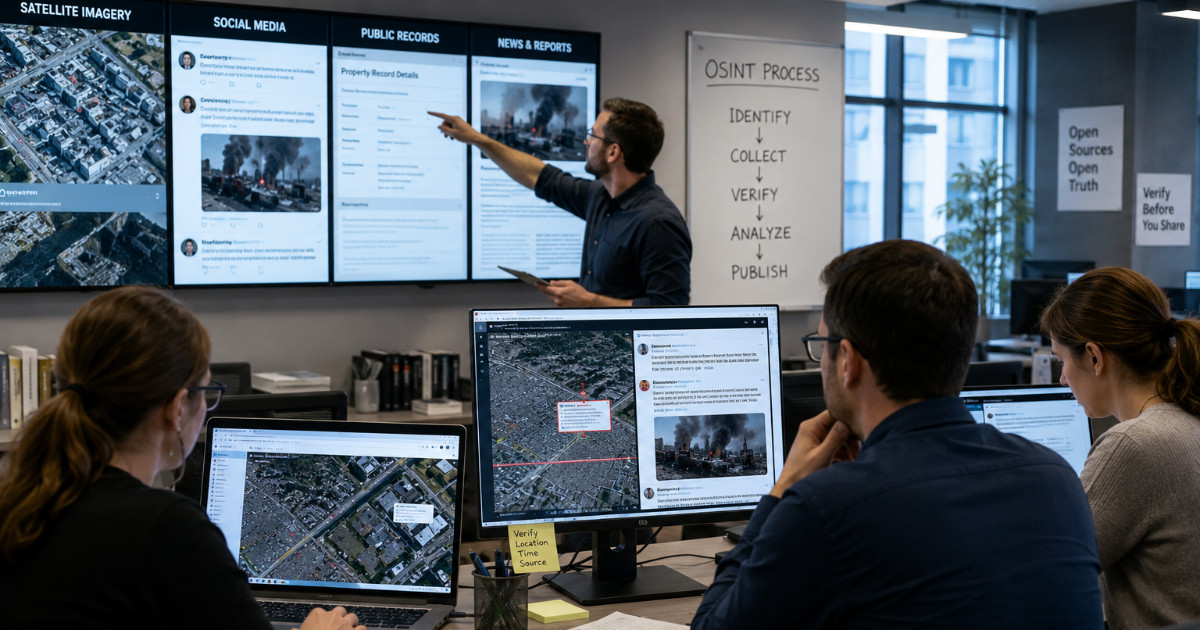
PHOTO: AI-generated; for illustrative purposes only.
Key Points
- These reports measure how freely the media operate, examining laws, political and economic pressure, social context, and journalist safety.
- Reporters Without Borders' World Press Freedom Index (RSF) is one of the most commonly cited global rankings.
- These studies combine expert questionnaires, surveys, and documented incidents rather than functioning as investigative journalism.
- Different reports use varying indicators and weightings, so rankings can diverge due to methodological choices.
- Journalists should treat these assessments as structured snapshots and check methodology and context when interpreting results.
Ask AI: Understand this story your way
AI EnabledDig deeper, ask anything — get instant context, background, and clarity.
Disclaimer: This feature is powered by AI and is intended to help readers explore and understand news stories more easily. While we strive for accuracy, AI-generated responses may occasionally be incomplete or reflect limitations in the underlying model. This feature does not represent the editorial views of JournalismPakistan. For our full, verified reporting, please refer to the original article.