
Supreme Court of India rules equal pay for equal work
JournalismPakistan.com | Published: 29 October 2016
Join our WhatsApp channel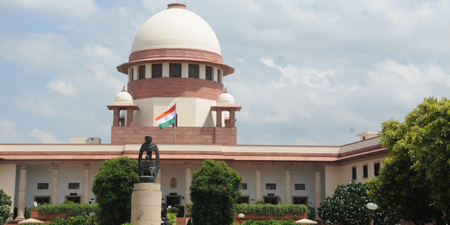
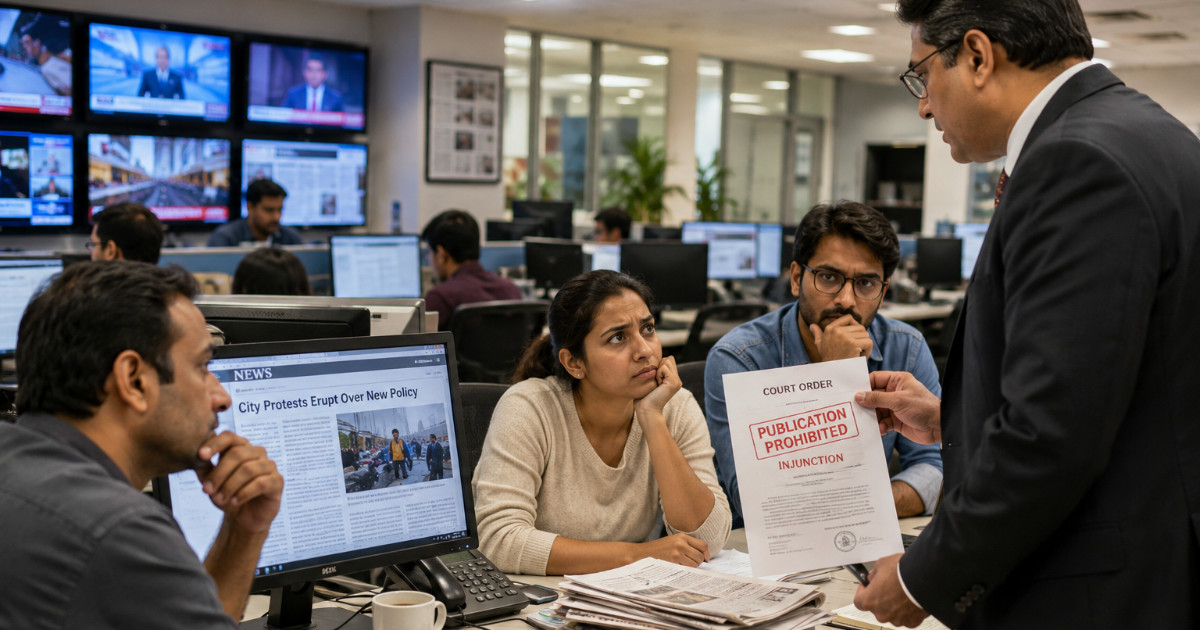
The Supreme Court of India has ruled that all employees are entitled to equal pay for equal work, irrespective of their employment status. This decision marks a significant advancement in worker rights, particularly in the media sector.Summary
The International Federation of Journalists (IFJ) and its affiliate the National Union of Journalists (India) have welcomed the historic ruling by the Supreme Court of India that the principle of equal pay for equal work applies for every employee regardless of the status of employment. The IFJ strongly welcomed the decision as a step forward for equality in the media. The bench of J.S. Khehar and S.A.
Bobde ruled that an employee engaged for the same work, cannot be paid less than another based on whether they were engaged on regular or temporary basis. The Court said: “An employee engaged for the same work, cannot be paid less than another, who performs the same duties and responsibilities. Certainly not, in a welfare state.
Such an action besides being demeaning, strikes at the very foundation of human dignity.” The verdict came on the petitions filed by the temporary workers of the Punjab Government, who had moved the Supreme Court after the Punjab and Haryana high courts denied them the pay-scale equivalent to the permanent employees.
The SC said India must follow the equal pay for equal work principle because it was a signatory of International Covenant on Economic, Social and Cultural Rights. The NUJ(I) said: “The court has unequivocally rejected arguments of employers for lower pay to contract, temporary workers and slammed the claim that the workers are voluntarily accepting lower pay.
The newspaper industry is also full of temporary and contract workers who are paid far below than stipulated by the Majithia Wage Board.” The Supreme Court said that ‘anyone compelled to work at lower wages does not do so voluntarily’. The NUJ(I) added: “So, no more pleas of ‘voluntarily working at lower wages’ that some newspapers are putting forward will be accepted.
We now call for Majithia recommendations to be implemented by all newspapers." The IFJ said: “The IFJ hails the verdict by the Supreme Court of India and demand that the Indian authorities ensure that all media staff, whether they were employed permanently or temporarily or on contract or casual basis, are paid equal wage as per recommended by the wage board.” - IFJ media release
Key Points
- Supreme Court rules on equal pay for equal work
- Applies to all employees regardless of employment status
- Decision bolsters rights of temporary workers
- Challenges employers' arguments for lower pay
- IFJ calls for implementation of Majithia recommendations
Relevant Topics
Ask AI: Understand this story your way
AI EnabledDig deeper, ask anything — get instant context, background, and clarity.
Disclaimer: This feature is powered by AI and is intended to help readers explore and understand news stories more easily. While we strive for accuracy, AI-generated responses may occasionally be incomplete or reflect limitations in the underlying model. This feature does not represent the editorial views of JournalismPakistan. For our full, verified reporting, please refer to the original article.