

Rights leaders decry state pressure on Pakistan media
JournalismPakistan.com | Published: 13 August 2026 | JP Asia Desk
Join our WhatsApp channel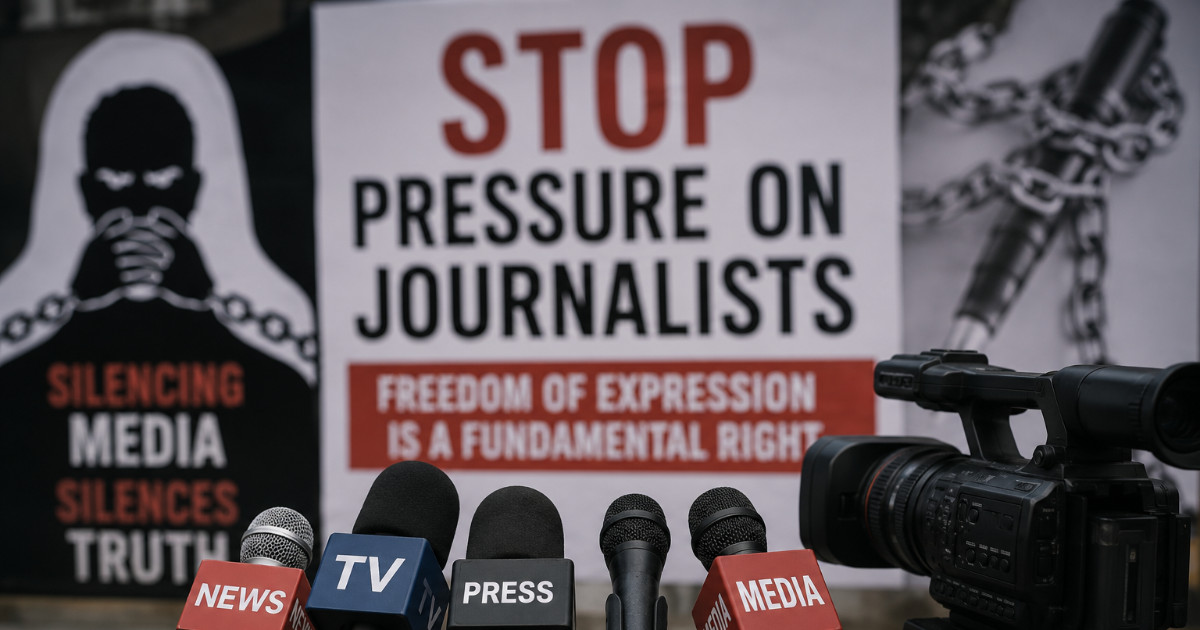
South Asian rights leaders say Pakistan's media faces state pressure, including removal of reporters, program cancellations and legal and economic constraints. They cited Munizae Jahangir's program cancellation as an example of this pattern.Summary
COLOMBO — A group of South Asian human rights leaders has raised alarm over what it describes as the continuing suppression of the media and targeting of journalists by state agencies in Pakistan, citing pressure on news organizations, legal restrictions and economic measures that it says are undermining editorial independence.
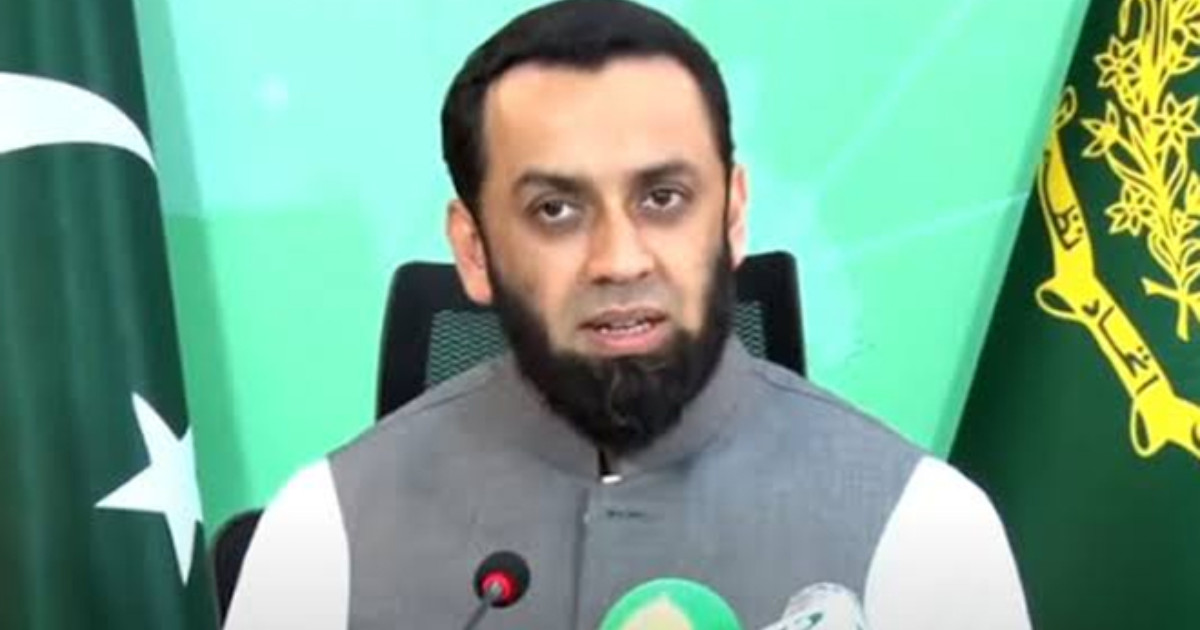
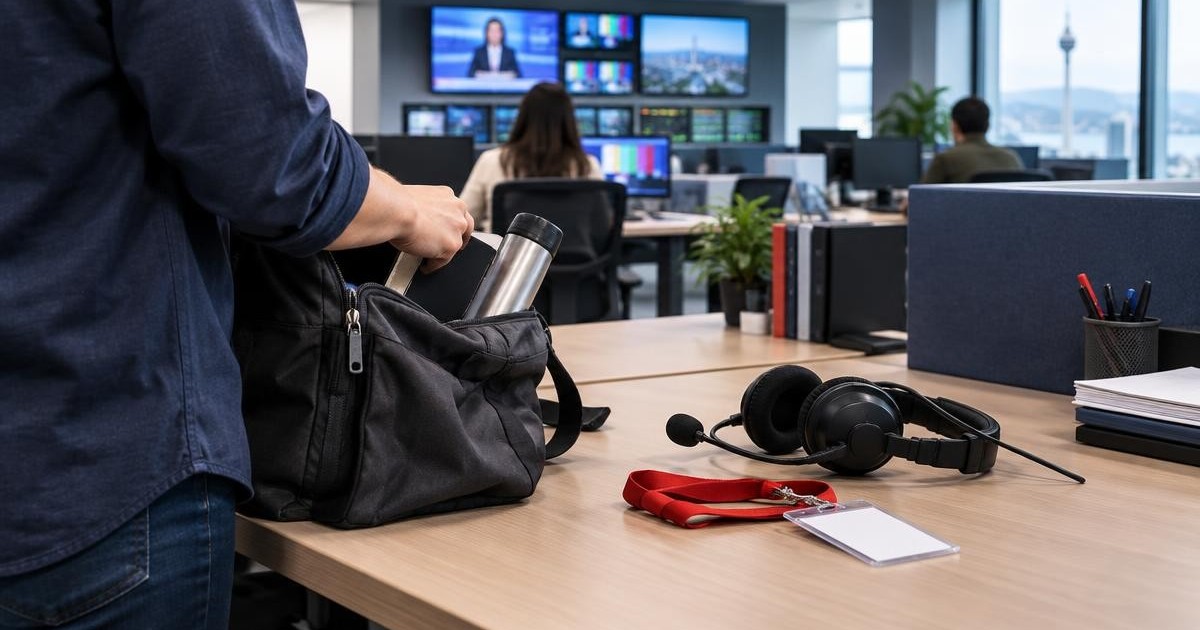
The South Asian Councillors for Human Rights, Democracy and Peace said mainstream broadcast media owners had been pressured by security agencies to remove reporters and anchorpersons from the air after they highlighted human rights violations. The group said journalists who challenge government policies, raise concerns over fundamental freedoms or report on politically sensitive issues have faced retaliation.
Pressure on journalists
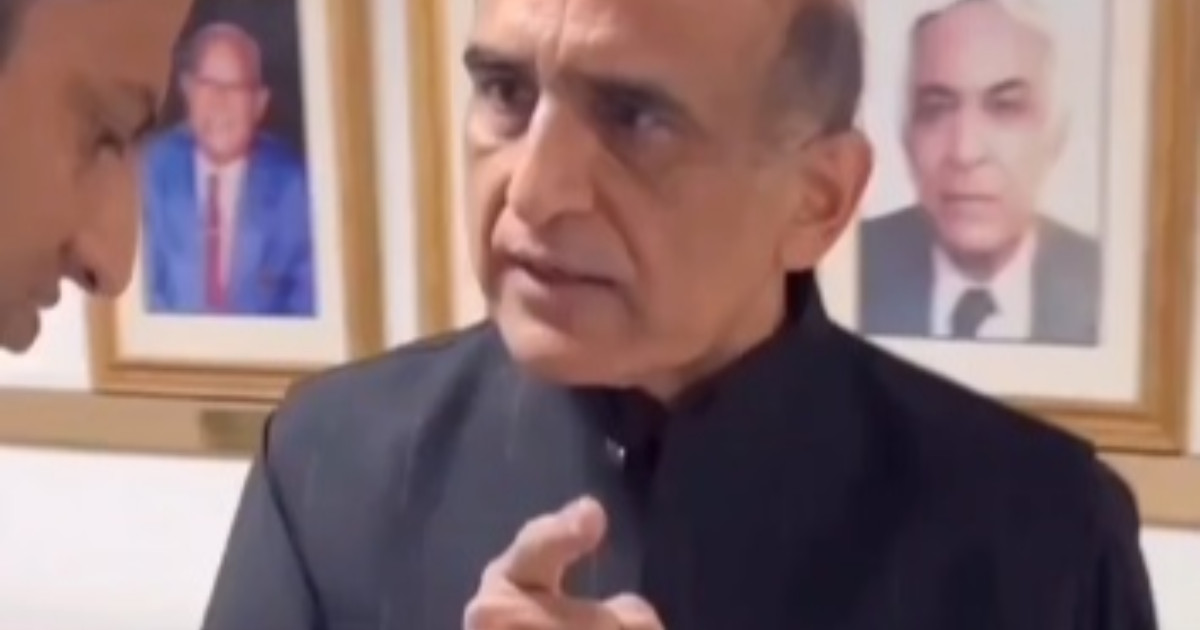
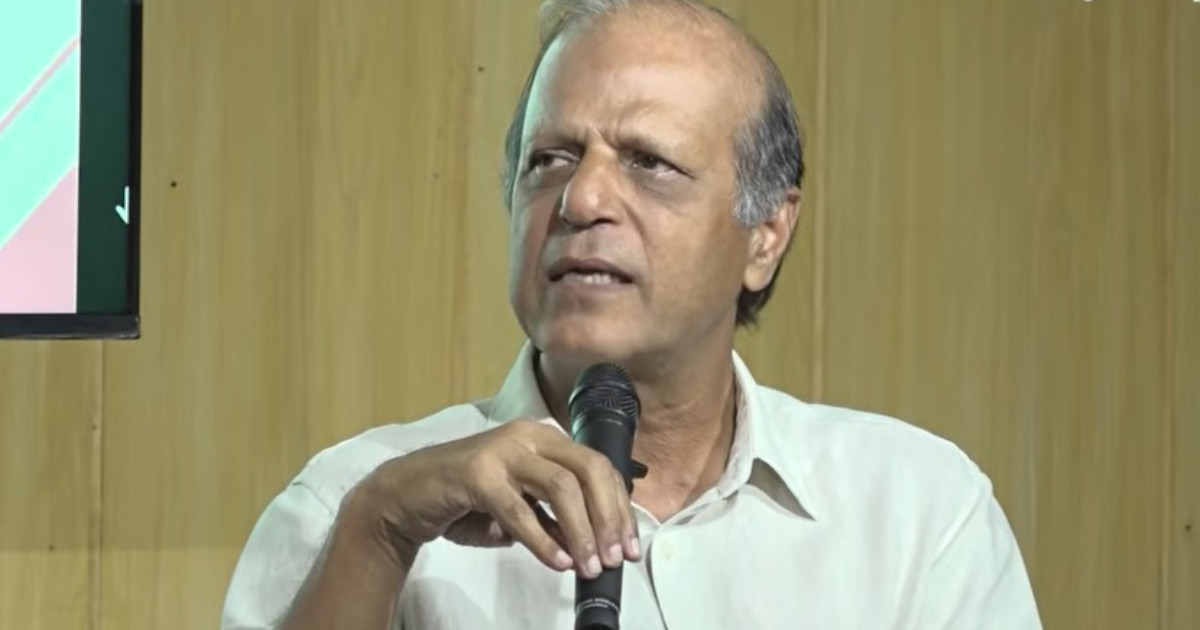
The councillors identified journalist and human rights advocate Munizae Jahangir as the latest alleged victim of this pattern. They said Jahangir had hosted a current affairs program on a prominent news network since 2015 and that the media organization had provided no public explanation for the cancellation of the program.
Jahangir is also the co-chair of the Human Rights Commission of Pakistan (HRCP), a position independently confirmed by the commission. HRCP elected her to its 31-member council as co-chair for the 2023-26 term.
The councillors said the situation reflected a broader pattern in which reporters and opinion-makers across Pakistan have faced restrictions, harassment and professional consequences for challenging official narratives. They argued that laws introduced to regulate broadcast and print media and combat cybercrime, hate speech and blasphemy have increasingly been used against journalists.
Legal and economic pressures
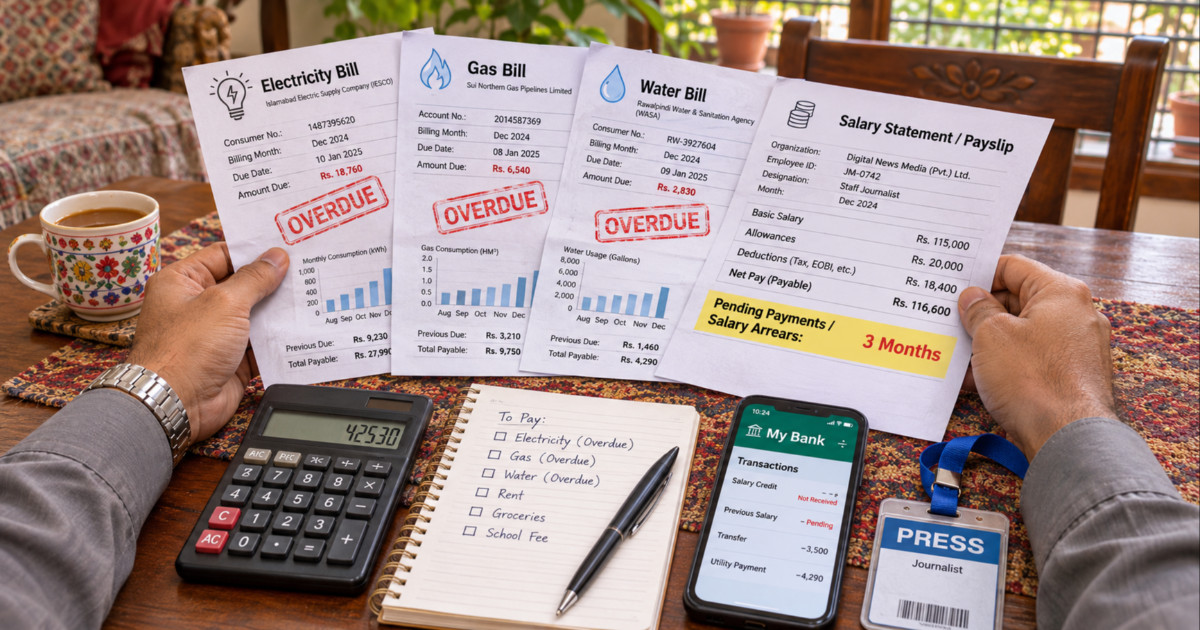
According to the statement, journalists have faced arbitrary arrests, physical attacks, harassment, loss of employment, restrictions on movement and, in some cases, killings and enforced disappearances. The group also linked state pressure on the media sector to financial problems within news organizations, saying economic manipulation has weakened transparency, accountability and editorial independence.
The concerns come against a difficult broader press-freedom environment. Reporters Without Borders' 2026 World Press Freedom Index places Pakistan 153rd out of 180 countries, an improvement from 158th in 2025, but still within the "very serious" category. Its assessment also identifies political, economic, legal, social and security pressures affecting journalism in the country.
The Human Rights Commission of Pakistan's own 2025 assessment similarly documented a severe contraction of civic space and deep suppression of freedom of expression. HRCP said the right to question authority and demand accountability had been particularly affected.
Regional concern
The South Asian Councillors said the erosion of media freedom in Pakistan was not solely a domestic issue but a concern for the wider South Asian human rights community. They cited the principle that a free press is essential to transparency, accountability and protection of human rights.
The group urged the Pakistani government and state institutions to respect constitutional and legal guarantees of freedom of expression and access to information. It called for measures to improve the physical and economic security of journalists and for an end to attacks targeting their professional credibility.
The councillors also appealed to the international community, including the UN Special Rapporteur on freedom of opinion and expression and the UN Human Rights Committee, to speak out in support of freedom of expression and protection for journalists in Pakistan.
The statement was signed by Hina Jilani of Pakistan, Sultana Kamal and Dr. Hameeda Hossain of Bangladesh, Dr. Syeda Hameed of India, Kanak Mani Dixit of Nepal and Dr. Sima Samar of Afghanistan.
Why it matters
The statement highlights how pressure on journalism can operate through several channels at once — newsroom decisions, legal mechanisms, economic leverage and threats to journalists' personal and professional security. For Pakistani news organizations, the broader concern is that such pressures can encourage self-censorship and narrow the space available for reporting on government accountability, human rights and other sensitive issues.
ATTRIBUTION: Based on a public statement issued by the South Asian Councillors for Human Rights, Democracy and Peace. Background information on HRCP and Pakistan's 2026 press-freedom ranking is based on publicly available information from HRCP and Reporters Without Borders.
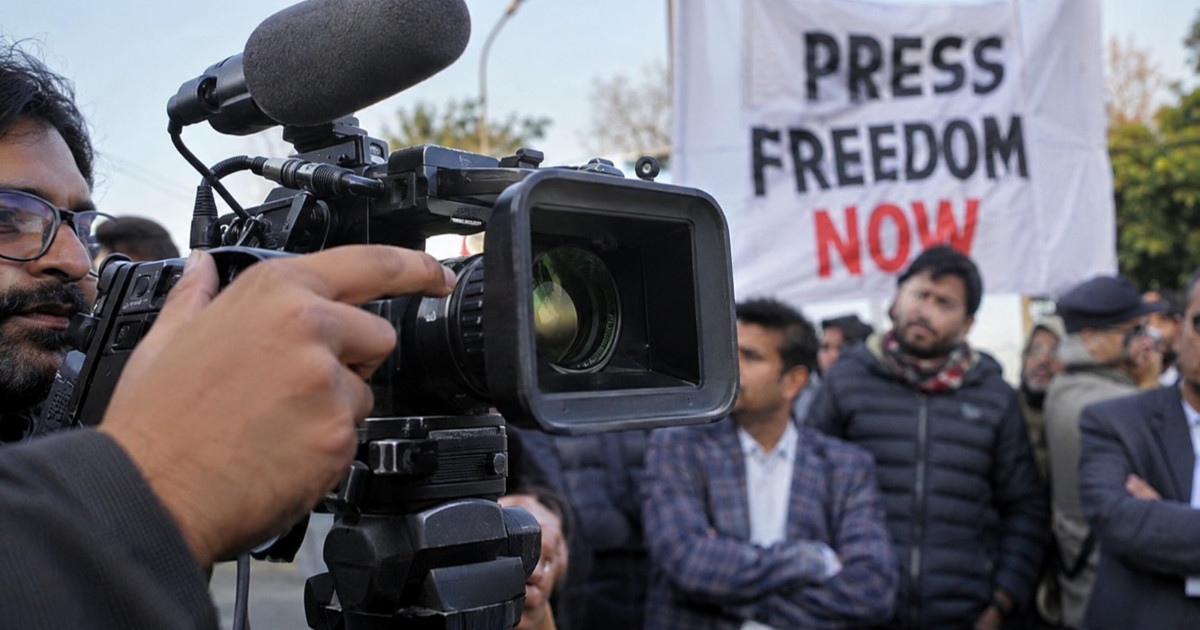
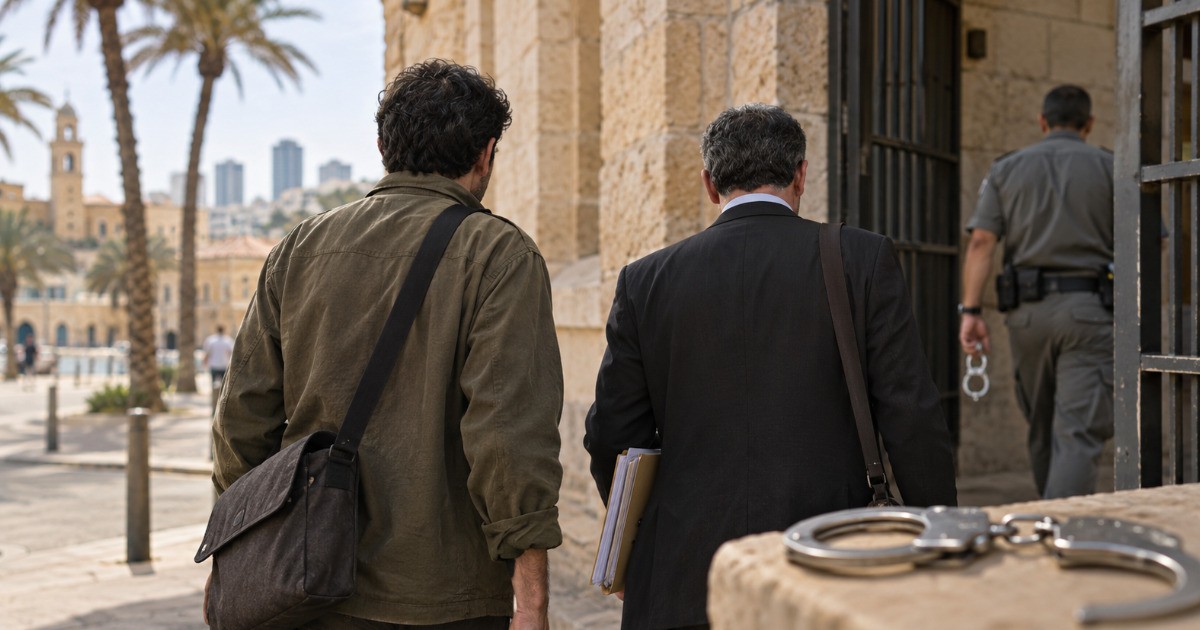
PHOTO: AI-generated; for illustrative purposes only.
Key Points
- South Asian Councillors for Human Rights, Democracy and Peace raised concerns over sustained state pressure on Pakistan's media.
- Group says reporters and anchorpersons were removed after highlighting human rights violations.
- They identified Munizae Jahangir's program cancellation as a recent instance of targeting.
- Reported tactics include legal restrictions, economic measures and editorial interference.
- Leaders warn such actions undermine editorial independence and press freedom nationwide.
Key Questions & Answers
What did the South Asian rights leaders say?
They warned of continuing state pressure on Pakistan's media, citing removal of reporters, program cancellations and legal and economic measures undermining editorial independence.
Who is Munizae Jahangir?
Munizae Jahangir is a journalist and human rights advocate who was co-chair elected to the Human Rights Commission of Pakistan and whose program was reportedly cancelled.
What kinds of measures were cited?
The group pointed to legal restrictions, economic measures, editorial interference and direct pressure on media owners and managers as tactics used against journalists.
Why is this a concern?
Rights leaders said these actions restrict critical reporting, limit fundamental freedoms and erode journalists' ability to operate independently, threatening press freedom.
Relevant Topics
Ask AI: Understand this story your way
AI EnabledDig deeper, ask anything — get instant context, background, and clarity.
Disclaimer: This feature is powered by AI and is intended to help readers explore and understand news stories more easily. While we strive for accuracy, AI-generated responses may occasionally be incomplete or reflect limitations in the underlying model. This feature does not represent the editorial views of JournalismPakistan. For our full, verified reporting, please refer to the original article.