
Reporting from the crash site
JournalismPakistan.com | Published: 21 April 2012 | Imran Naeem Ahmad
Join our WhatsApp channel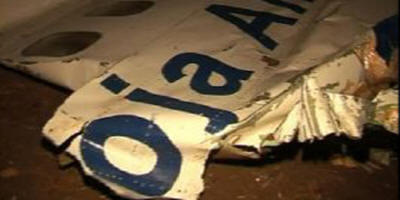
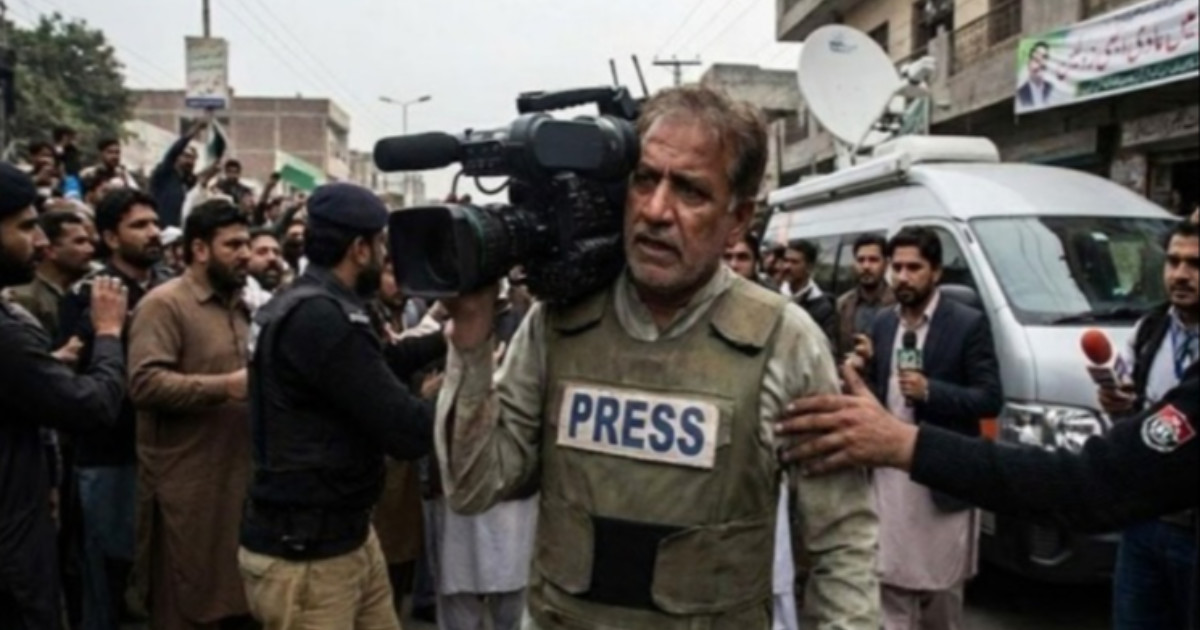
Journalists at the Bhoja Air Boeing 737-200 crash site near Islamabad described serious difficulties in reporting after the accident that killed 127 people. They cited poor access, darkness caused by downed power lines, heavy rain, and unreliable cell service. TV crews also struggled to position DSNG equipment on uneven terrain, while a few print reporters reached the scene.Summary
ISLAMABAD: Journalists at the Bhoja Air Boeing 737-200 crash site on Islamabad's outskirts spoke of multiple problems in reporting on what was the second big aviation tragedy in the metropolis.
A day after the crash that killed all 127 people on board flight B4-213 that ran into rough weather just as it approached the Benazir Bhutto Airport, the journalists said access to the site, darkness, and rain made reporting tough. Imran Asghar of Express News TV told JournalismPakistan Saturday that getting to the site in pouring rain via a narrow road was the biggest test.
“There was a traffic jam as people rushed towards the site, and we risked getting stuck in the mud if at all we went off-road.” Wheatfields and open spaces line the road leading up to Village Hussainabad. The rain made conditions difficult, and the crashing plane brought power lines down, plunging the entire area into darkness.
“There was no light, and people were seen using small batteries which were just not good enough,” said Abbas Shabbir, who reported the incident for Aaj TV. Imran Ali Teepu, of Dawn and one of the few print journalists who made it to the scene, pointed out that cell phone signals were erratic.
“Getting in touch with the editors back in the office was difficult, but I somehow managed to send information through.” For some journalists, it was the second air crash they reported on in their careers. Among them was Asghar. He had also covered the Airblue tragedy less than two years ago -- the plane crashed into the Margalla Hills in bad weather, killing more than 150.
Asghar thought covering the Bhoja Air crash was tougher because it was very dark. “The Airblue plane crashed in the morning, but this one happened in the evening.” Aligning their DSNGs at the crash site was another problem for some television crews. “The terrain was uneven, and it was quite a trouble finding a suitable place, and darkness made things even harder,” said Asghar.
On the other hand, Teepu said there were hardly any print journalists covering the crash. “It is always easier for them to sit in front of their television sets and report.”
ABOUT THE WRITER: Imran Naeem Ahmad is the co-founder and editor of JournalismPakistan.com.
Key Points
- Bhoja Air flight B4-213 crashed near Islamabad in rough weather, killing all 127 on board.
- Reporters said rain, traffic jams and a narrow road made reaching Village Hussainabad difficult.
- Downed power lines left the crash area dark, complicating on-site reporting.
- Cell phone signals were erratic, making communication with newsrooms difficult.
- Television crews faced problems positioning DSNG units on uneven ground.
Relevant Topics
Ask AI: Understand this story your way
AI EnabledDig deeper, ask anything — get instant context, background, and clarity.
Disclaimer: This feature is powered by AI and is intended to help readers explore and understand news stories more easily. While we strive for accuracy, AI-generated responses may occasionally be incomplete or reflect limitations in the underlying model. This feature does not represent the editorial views of JournalismPakistan. For our full, verified reporting, please refer to the original article.