
PFUJ recalls November 3, 2007 emergency as Pakistan’s darkest day
JournalismPakistan.com | Published: 3 November 2025 | JP Staff Report
Join our WhatsApp channel
The PFUJ has declared November 3, 2007, the blackest day in Pakistan when media faced suppression under General Musharraf. The union calls for an end to oppressive laws against journalists.Summary
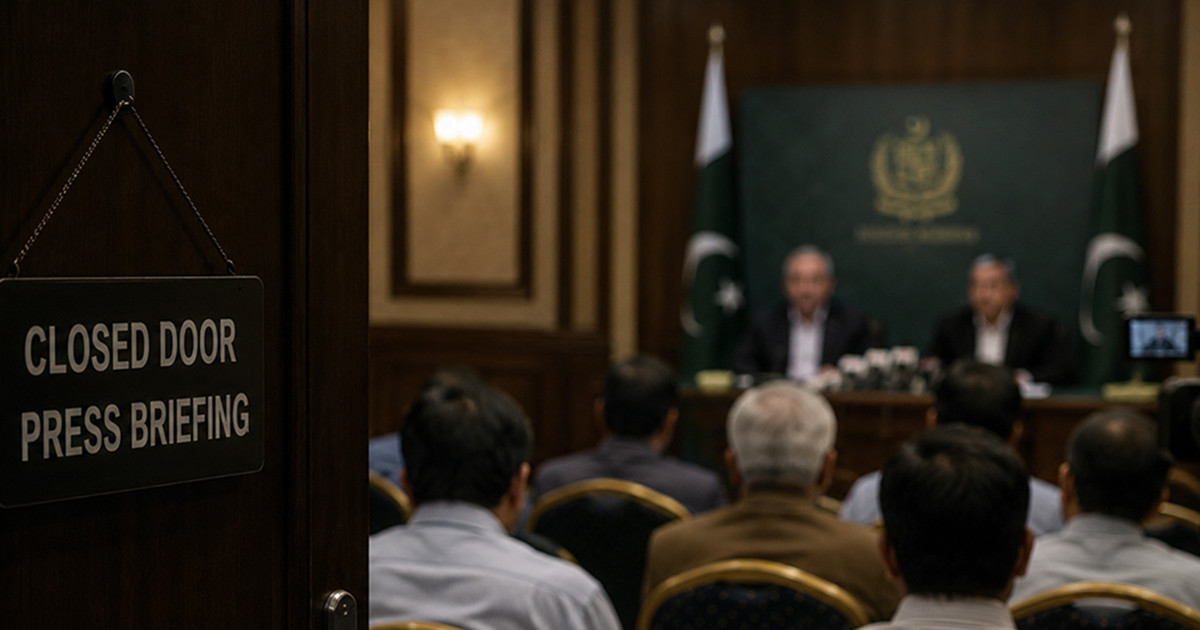
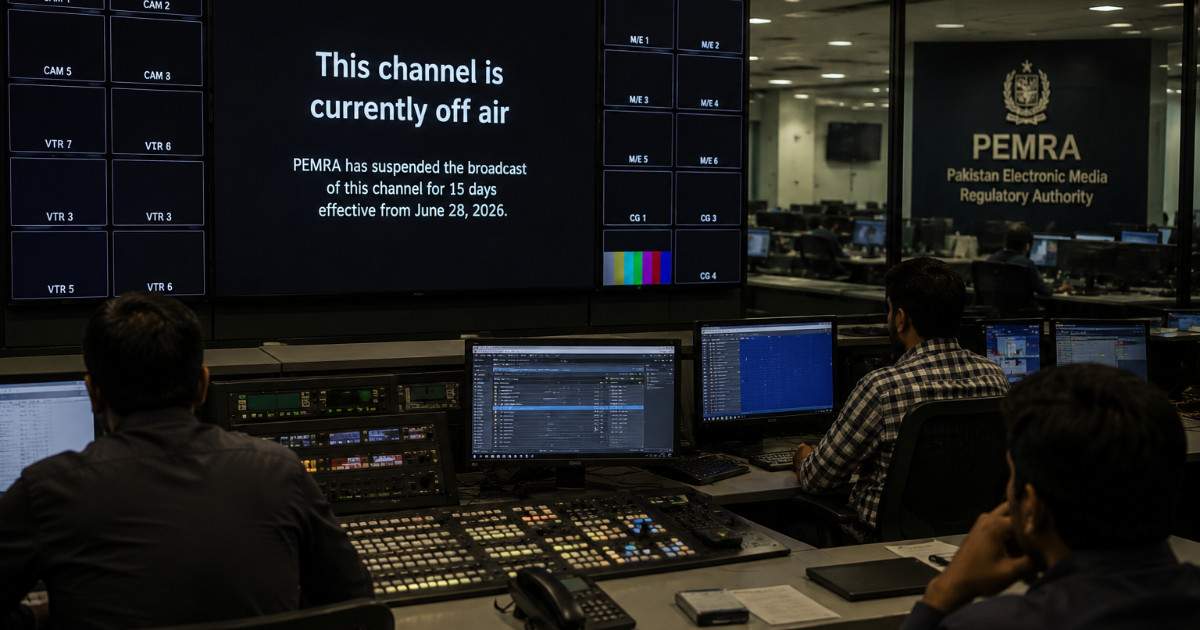
ISLAMABAD — Pakistan Federal Union of Journalists (PFUJ) has declared November 3, 2007, the blackest day in Pakistan’s history, when General Pervez Musharraf imposed emergency, banned media, and suspended television transmissions.
In a joint statement, PFUJ President Afzal Butt and Secretary General Arshad Ansari said the day would always be remembered as a dark chapter when the media faced ruthless suppression, Supreme Court judges were placed under house arrest, and many were coerced into taking an oath under the Provisional Constitution Order. "The constitution was abrogated for the second time by the dictatorial regime of General Musharraf, which had seized power through a military coup in 1999, trampling the sanctity of parliament and the constitution," they said.
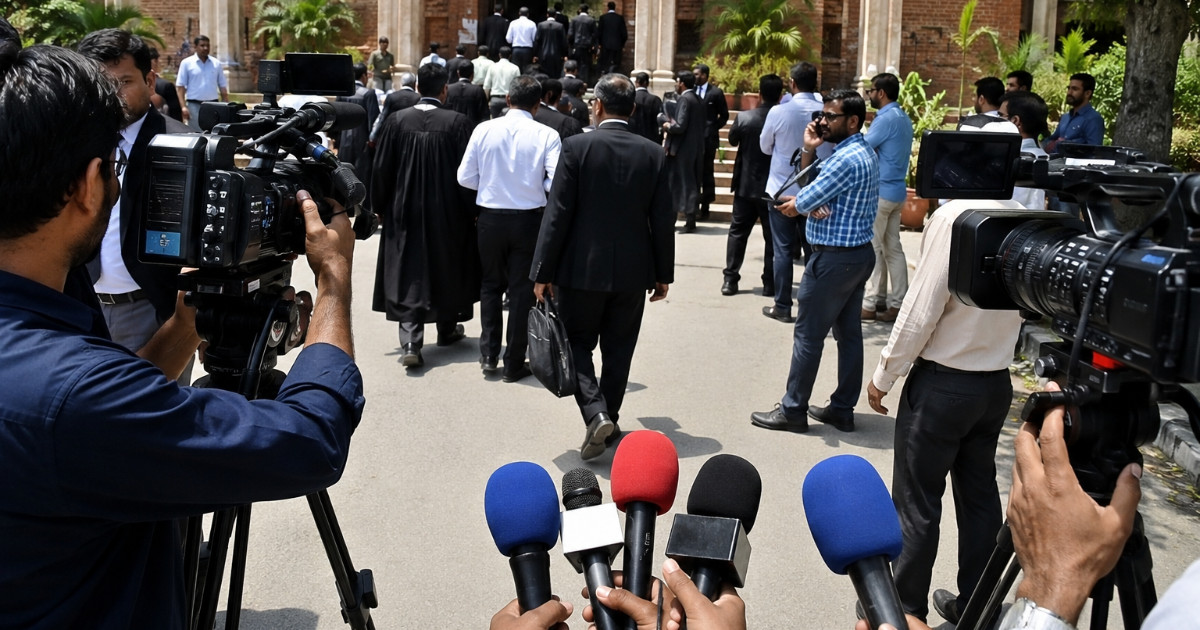
They added that journalists were among the first to challenge this blatant violation. "Members of our fraternity arranged talk shows on the streets to defy the dictator, making it clear that no coercion could deter media persons from performing their duty and protecting press freedoms."
PFUJ leadership said journalists across Pakistan protested that day, demanding the withdrawal of the emergency, the provisional constitutional order, and the restoration of the 1973 constitution.
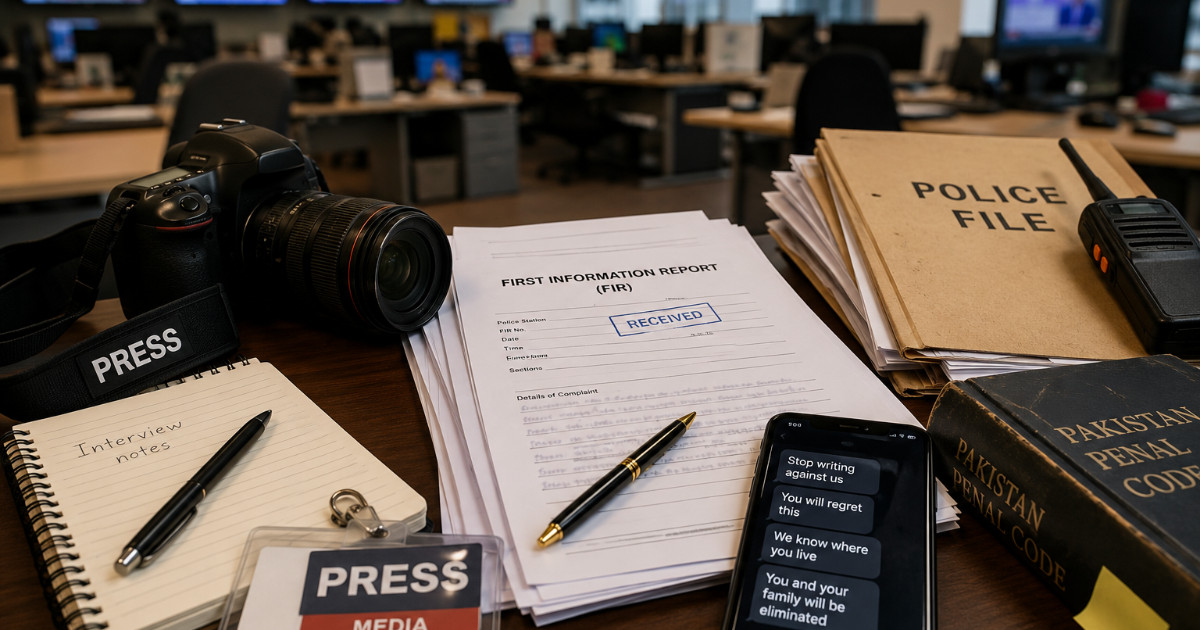
Expressing concern, they noted that despite the restoration of democracy, oppressive laws remain in the system, and journalists’ rights continue to be violated. "Media persons face retrenchments, intimidation, and registration of fake and fabricated cases, which is highly condemnable," they said.
PFUJ demanded the withdrawal of concocted cases against journalists, including senior journalist Matiullah Jan, and called for enhanced safety and security for media personnel.
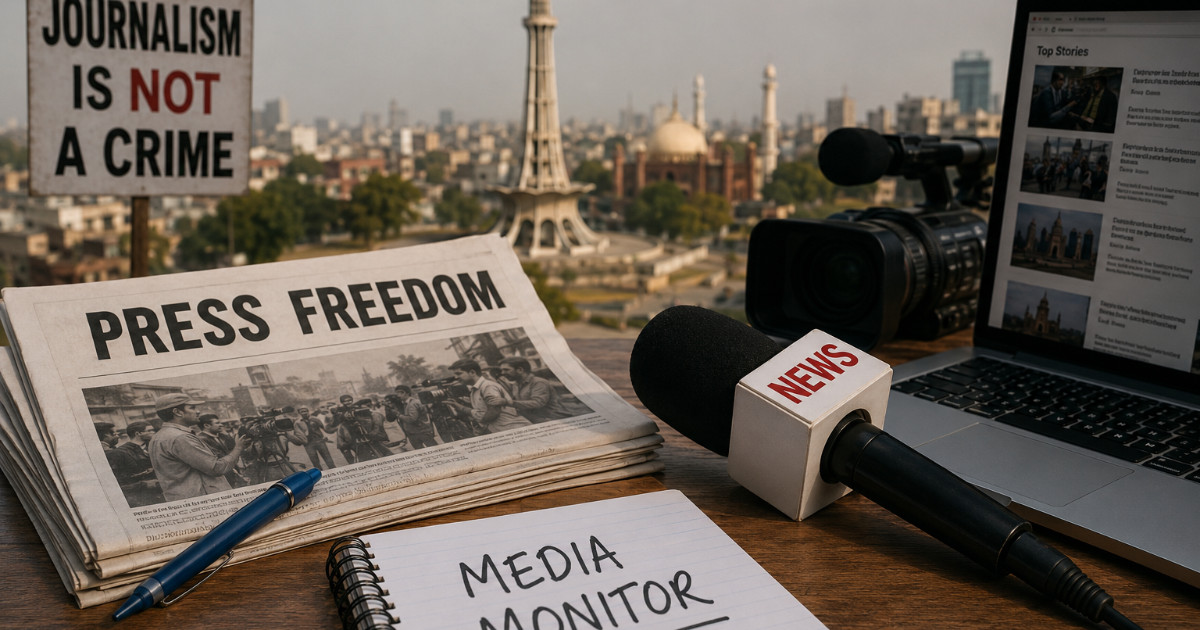
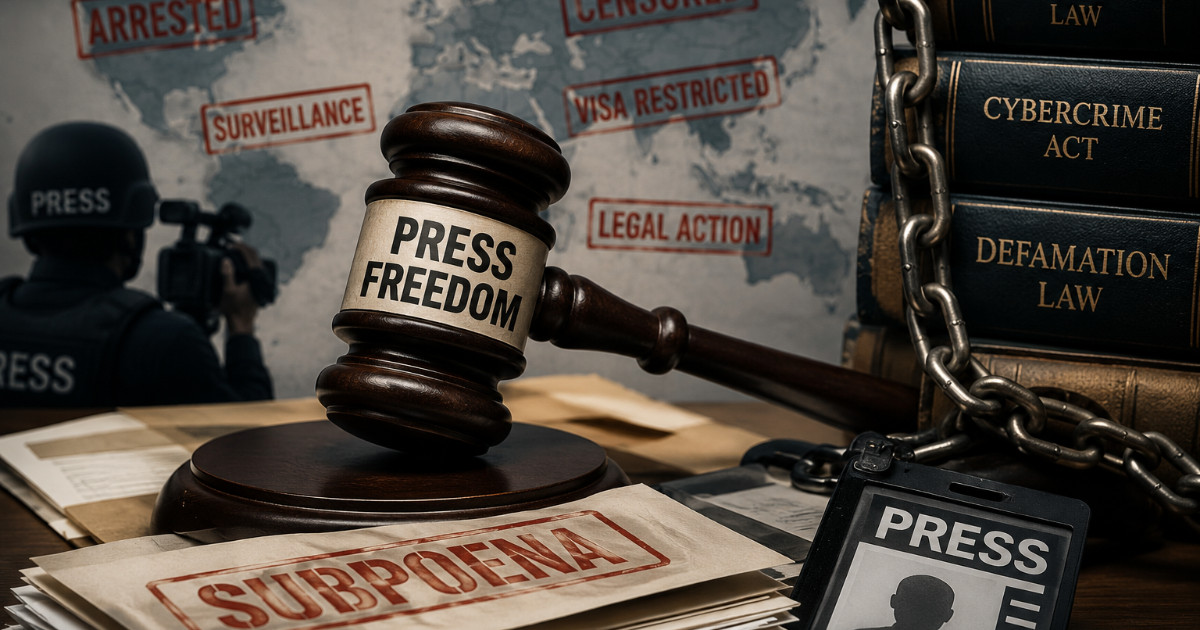
The union also urged parliament to abolish the PECA Amendment 2025, which threatens press freedom and undermines freedom of expression. They further asked the government to link advertisement payments to media houses with timely payment of journalists’ salaries and to investigate media retrenchments that leave families in financial distress.
Key Points
- PFUJ marks November 3, 2007, as the darkest day in Pakistan.
- General Musharraf imposed an emergency, banning media and suspending transmissions.
- Supreme Court judges were put under house arrest during the emergency.
- Journalists protested against media suppression and demanded constitutional restoration.
- PFUJ calls for the withdrawal of cases against journalists and better safety for media personnel.
Relevant Topics
Ask AI: Understand this story your way
AI EnabledDig deeper, ask anything — get instant context, background, and clarity.
Disclaimer: This feature is powered by AI and is intended to help readers explore and understand news stories more easily. While we strive for accuracy, AI-generated responses may occasionally be incomplete or reflect limitations in the underlying model. This feature does not represent the editorial views of JournalismPakistan. For our full, verified reporting, please refer to the original article.