
PECA detention fuels alarm in newsrooms
JournalismPakistan.com | Published: 14 February 2026 | JP Special Report
Join our WhatsApp channel
The detention and quick release of Hum News journalist Khurram Iqbal under PECA sparked debate in newsrooms over the growing overlap between digital reporting and criminal liability, raising questions about process, proportionality and legal precedent.Summary
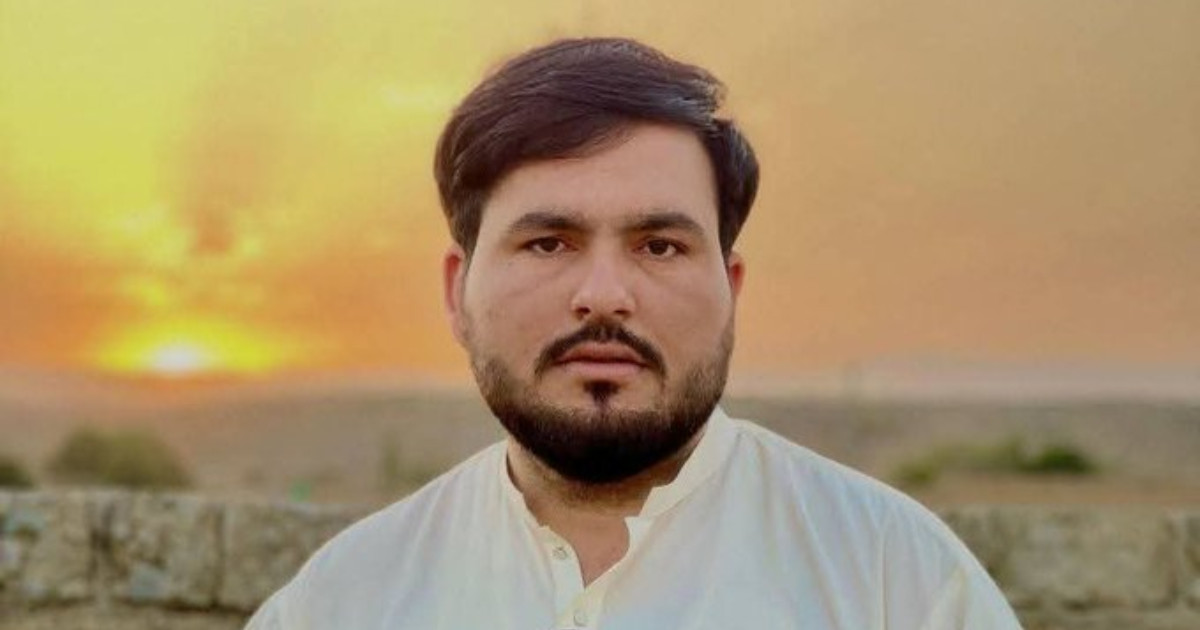
LAHORE — The brief detention and subsequent release of Hum News journalist Khurram Iqbal under Pakistan’s cybercrime law has triggered a deeper debate in media circles: not about a single arrest, but about the widening space between journalism and criminal liability in the digital age.
Iqbal was taken into custody in Lahore on Friday by officials later identified as belonging to the National Cyber Crime Investigation Agency, with Punjab Information Minister Azma Bukhari stating publicly that he was being held under the Prevention of Electronic Crimes Act (PECA) over allegations related to sharing a “fake video” on social media. He was released the same day, but the episode has left lingering questions about process, proportionality, and precedent.
Digital speech and criminal thresholds
At the heart of the controversy is PECA, enacted in 2016 and amended in subsequent years, which grants authorities powers to investigate and prosecute a range of online offenses. While designed to combat cybercrime, the law has increasingly intersected with journalism, particularly where reporting overlaps with political speech or the circulation of video clips and commentary online.
In this case, the allegation centered on a video clip of a public speech by Punjab Chief Minister Maryam Nawaz that circulated widely on social media. The minister described the clip as “fake” and accused the journalist of spreading disinformation. However, beyond public statements, no detailed, publicly accessible charging document or formal explanation of the specific legal provisions invoked was immediately released.
وہ لاپتا نہیں ہے،پیکا کے تحت فیک ویڈیو بنا کر ٹویٹ کرکے پھیلانے کے جرم میں زیر حراست ہے،یہ حرکت کونسی صحافتی اقدار ہے؟اور انکی ٹائم لائن چیک کریں وہ ایک پراپیگنڈا سیل کے ممبر تو ضرور ثابت ہوتے ہیں،صحافی تو نہیں کہہ سکتے،آپ سمجھتی ہیں یہ ملک جنگل بنا رہے جو جسکا دل کررہا ہے وہ… https://t.co/VNATniXnK6
— Azma Zahid Bokhari (@AzmaBokhariPMLN) February 13, 2026
For many in the media industry, the core concern is not whether the state can investigate misinformation, but how it determines intent, authenticity, and journalistic purpose. When does reposting or commenting on a public speech cross into criminal conduct? And what safeguards exist to ensure that investigative or critical reporting is not conflated with malicious fabrication?
Political sensitivity and media scrutiny
The episode unfolded against a backdrop of heightened political sensitivity and intense digital scrutiny of public officials. In Pakistan’s polarized environment, short video clips often go viral within minutes, sometimes stripped of context, sometimes misinterpreted, and sometimes manipulated.
Governments at both federal and provincial levels have increasingly relied on legal mechanisms to respond to what they describe as online disinformation. Critics argue that such responses can appear selective, particularly when journalists or critics are targeted, while supporters of enforcement maintain that unchecked digital content can damage reputations and public trust.
Statements from media executives and journalist bodies following Iqbal’s detention reflected this tension. Leaders from broadcasters’ associations and editorial groups framed the detention as disproportionate and warned that even temporary custody can create a chilling effect in newsrooms. The concern is cumulative: each incident may signal to reporters that social media activity, even when tied to professional reporting, carries legal risk.
Strongly condemn the arrest of Hum News journalist Khurram Iqbal on frivolous charges. Not only Dissent but even a tweet has been criminalised by the government. Ridiculous to say the least. pic.twitter.com/G24PydzxNy
— Azhar Abbas (@AzharAbbas3) February 13, 2026
Process, transparency, and perception
Another dimension of the case relates to how the detention was carried out and communicated. Initial reports described men in plain clothes taking the journalist into custody, leading to several hours of uncertainty about his whereabouts. It was only after public outcry on social media that a government official confirmed he was under arrest.
Even if authorities followed legal procedure, the optics matter. In environments where enforced disappearances and arbitrary detentions have historically been reported, any ambiguity around custody can quickly escalate into broader mistrust.
Legal experts note that transparency at the outset, including clear identification of officers, presentation of warrants, and prompt disclosure of charges, can significantly reduce speculation and panic. In the absence of such clarity, narratives of intimidation tend to fill the vacuum.
Legal ambiguity and enforcement trends
While this case stands on its own facts, the use of the Prevention of Electronic Crimes Act in matters involving journalists is not new. In recent years, PECA has been invoked in cases concerning reporters, activists, and political commentators, particularly where online speech intersects with political sensitivities.
The recurring tension lies between the state’s stated objective of curbing misinformation and the constitutional guarantee of freedom of expression. Pakistan’s superior courts have examined aspects of PECA at different points, yet questions persist over how enforcement agencies interpret intent, authenticity, and journalistic function in digital spaces.
For media professionals, the central concern is predictability. Journalism depends on clarity of legal boundaries and consistency in enforcement. When those boundaries appear fluid or selectively applied, the risk is not only legal exposure but a gradual normalization of self-censorship within newsrooms.
WHY THIS MATTERS: For Pakistani journalists and media organizations, the Khurram Iqbal episode underscores the need for clear newsroom protocols on digital content, verification, and social media use. It also highlights the importance of legal literacy and rapid institutional response mechanisms when reporters face cybercrime allegations. The broader takeaway is that digital reporting now operates in a legal gray zone that demands both editorial caution and collective advocacy for due process.
ATTRIBUTION: This analysis is based on publicly documented statements by Punjab Information Minister Azma Bukhari, coverage by HUM News and other national media outlets, and official references to the Prevention of Electronic Crimes Act as reported in current news accounts.
PHOTO: AI-generated; for illustrative purposes only.
Key Points
- Khurram Iqbal was briefly detained by officials identified as from the National Cyber Crime Investigation Agency and released the same day.
- Authorities cited PECA for allegedly sharing a "fake" video clip of Punjab CM Maryam Nawaz's speech.
- No detailed public charging document or formal legal explanation has been provided.
- The episode has prompted debate in newsrooms about the expanding overlap between journalism and cybercrime enforcement.
- Concerns focus on process, proportionality, and the precedent set for reporting and sharing political speech online.
Relevant Topics
Ask AI: Understand this story your way
AI EnabledDig deeper, ask anything — get instant context, background, and clarity.
Disclaimer: This feature is powered by AI and is intended to help readers explore and understand news stories more easily. While we strive for accuracy, AI-generated responses may occasionally be incomplete or reflect limitations in the underlying model. This feature does not represent the editorial views of JournalismPakistan. For our full, verified reporting, please refer to the original article.