Press freedom review: From jail cells to cyberspace, threats to journalists multiply The right to know: Comparing access-to-information laws across Asia Open-Source Intelligence (OSINT): How journalists verify information in the digital age Ethiopia expels French journalist after Tigray reporting Kane Williamson retires: The end of an era Javeria Siddique alleges cross-border smear campaign The JournalismPakistan Global Media Brief | Edition 24 | June 12, 2026 Four journalist legal cases, one death threat recorded in May Nahid Rana: Bangladesh's 152km/h fast-bowling force Global Fact-Checking Awards finalists spotlight AI misinformation fight Israel deports French journalist over West Bank reporting concerns World Cup hydration breaks open a new ad revenue stream Mali arrests of journalists spark press freedom concerns Rs14.1bn in government advertising emerges as media lifeline Public News case exposes journalism's verification gap Press freedom review: From jail cells to cyberspace, threats to journalists multiply The right to know: Comparing access-to-information laws across Asia Open-Source Intelligence (OSINT): How journalists verify information in the digital age Ethiopia expels French journalist after Tigray reporting Kane Williamson retires: The end of an era Javeria Siddique alleges cross-border smear campaign The JournalismPakistan Global Media Brief | Edition 24 | June 12, 2026 Four journalist legal cases, one death threat recorded in May Nahid Rana: Bangladesh's 152km/h fast-bowling force Global Fact-Checking Awards finalists spotlight AI misinformation fight Israel deports French journalist over West Bank reporting concerns World Cup hydration breaks open a new ad revenue stream Mali arrests of journalists spark press freedom concerns Rs14.1bn in government advertising emerges as media lifeline Public News case exposes journalism's verification gap
Logo
Janu
JournalismPakistan Global

New National Security Law in China suppresses media freedom: IFJ

 JournalismPakistan.com |  Published: 2 July 2015

Join our WhatsApp channel
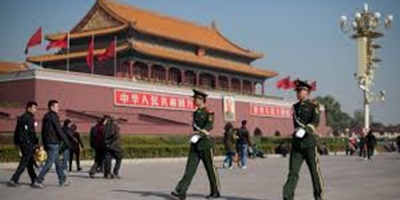
New National Security Law in China suppresses media freedom: IFJ
The International Federation of Journalists raises alarms over China's National Security Law, claiming it undermines media freedoms. Concerns include vague legal definitions potentially leading to violations.

The International Federation of Journalists (IFJ) has expressed strong concern for the National Security Law that was passed by the Chinese National People’s Congress on July 1. The law was passed without giving any consideration to the submissions made to the Standing Committee by the IFJ, Hong Kong Journalists Association (HKJA) and the Independent Commentators Association (ICA).

On May 6, the Standing Committee released the National Security Law (Second Review Draft) for public consultation. The IFJ said in its submission that the law, if enacted and implemented in its current form, would further suppress the media, access to information and press freedom in China. The IFJ, HKJA and ICA also made a joint submission for the law on June 3.

The submission made by the IFJ highlighted key changes that needed to be made by the Standing Committee to ensure press freedom and freedom of expression were not jeopardized. One of the key issues highlighted included the vague definitions included in the law such as ‘unlawful or harmful information’ and ‘negative cultural seepage’.

Vague definitions such as these create uncertainty and opportunities for violations against the media. The submission also suggested that ‘strengthen press publicity and public opinion guidance on national security’ should be deleted from Article 73 as it would violate press freedom.

The joint submission from the IFJ, HKJA and ICA suggested that the references made to Hong Kong and its duty to protect national security be deleted as Hong Kong is a Special Administrative Region of China and such clauses violate China’s One Country Two Systems governing of Hong Kong.

HKJA, ICA and IFJ expressed deep concern, as the new National Security Law could become the landmark case for the Central Authority of China to destroy One County Two Systems of Hong Kong. The IFJ Asia Pacific office said “The new National Security Law places the media in a sensitive position, becoming increasingly susceptible to violations under the guise of ‘national security’.

The new law works to destroy the basic principles of press freedom and undermine the rights of the people to information.” - IFJ Press Release

Key Points

  • IFJ expresses concern over the new National Security Law's impact on media freedom.
  • The law includes vague definitions that can harm press rights.
  • Joint submissions from IFJ, HKJA, and ICA request changes to protect press freedoms.
  • The law could threaten Hong Kong's One Country Two Systems framework.
  • IFJ warns the law makes the media susceptible to national security violations.

Ask AI: Understand this story your way

AI Enabled

Dig deeper, ask anything — get instant context, background, and clarity.

Not sure what to choose? Try one of these.

The AI generates results based on your selected options
Your AI-generated results will appear here after you click the button.

Disclaimer: This feature is powered by AI and is intended to help readers explore and understand news stories more easily. While we strive for accuracy, AI-generated responses may occasionally be incomplete or reflect limitations in the underlying model. This feature does not represent the editorial views of JournalismPakistan. For our full, verified reporting, please refer to the original article.

Explore Further

GNN journalist reported missing in Islamabad

GNN journalist reported missing in Islamabad

 June 07, 2026: GNN journalist Yasir Ayaz Khan has been reported missing in Islamabad after leaving home around 5 pm on June 5; the channel filed a complaint, and police have opened a probe.

Newsroom
Press freedom review: From jail cells to cyberspace, threats to journalists multiply

Press freedom review: From jail cells to cyberspace, threats to journalists multiply

 June 14, 2026 Press freedom faces mounting challenges worldwide as journalists confront arrests, legal pressure, cyberattacks, online harassment, deportations, and reporting restrictions across multiple countries.


The right to know: Comparing access-to-information laws across Asia

The right to know: Comparing access-to-information laws across Asia

 June 14, 2026 Across Asia, RTI laws range from effective tools for journalism and accountability to paper laws weakened by bureaucracy, broad exemptions and poor enforcement.


Open-Source Intelligence (OSINT): How journalists verify information in the digital age

Open-Source Intelligence (OSINT): How journalists verify information in the digital age

 June 14, 2026 OSINT helps journalists verify social media, photos, videos, maps and public records to improve reporting accuracy and detect misinformation.


Ethiopia expels French journalist after Tigray reporting

Ethiopia expels French journalist after Tigray reporting

 June 13, 2026 Ethiopia expelled French reporter A. Passilly after Tigray reporting, drawing criticism from press groups as retaliatory and damaging to press freedom.


Kane Williamson retires: The end of an era

Kane Williamson retires: The end of an era

 June 13, 2026 Kane Williamson retired from international cricket after a Test at Lord's, closing a career of calm composure and roughly 19,000 runs across formats.


Popular Stories