
Three journalists detained during Aurat March in Islamabad
JournalismPakistan.com | Published: 9 March 2026 | JP Staff Report
Join our WhatsApp channel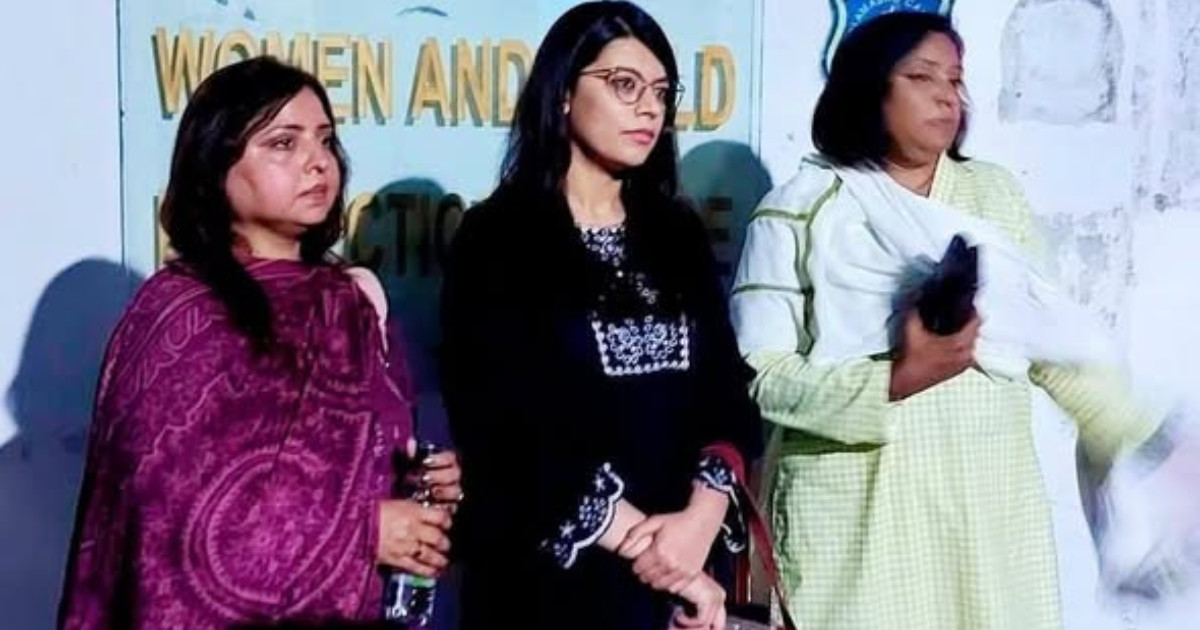
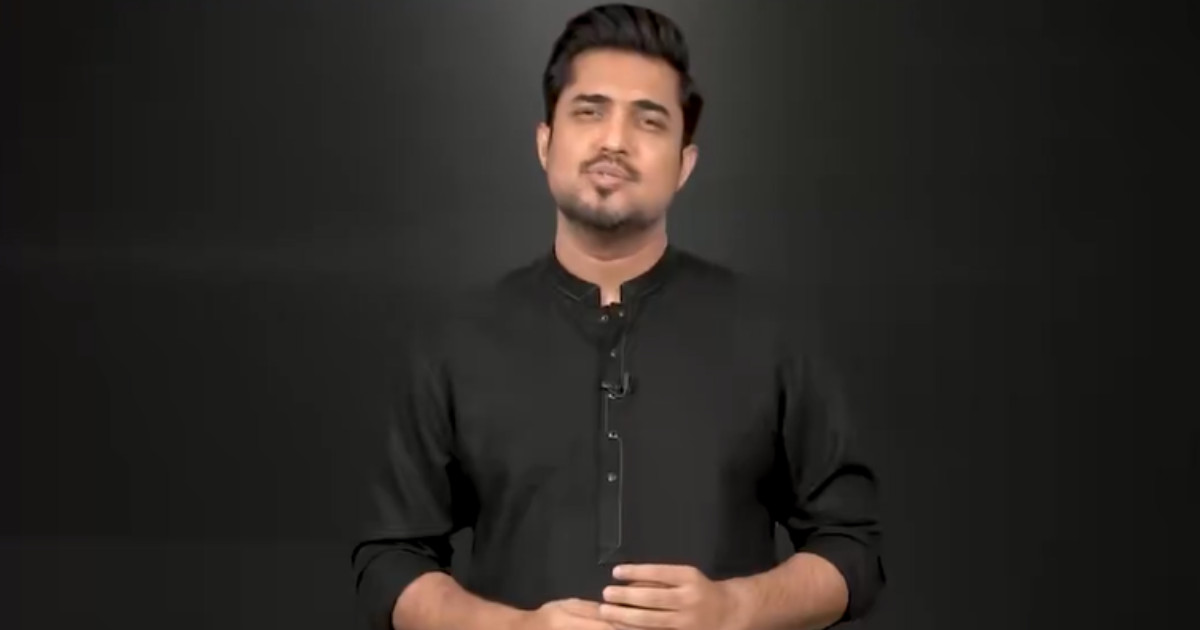
Police in Islamabad detained dozens during the Aurat March and briefly arrested three journalists, Sehrish Qureshi, Farhat Fatima and Ismat Jabeen, who were later released. Authorities said Section 144 was in force in parts of the city, banning gatherings.Summary
ISLAMABAD — Police in Pakistan’s capital detained dozens of participants during the Aurat March after authorities enforced Section 144, a colonial-era public order law that restricts public gatherings. Among those briefly taken into custody were journalists Sehrish Qureshi, Farhat Fatima, and Ismat Jabeen, who were later released.
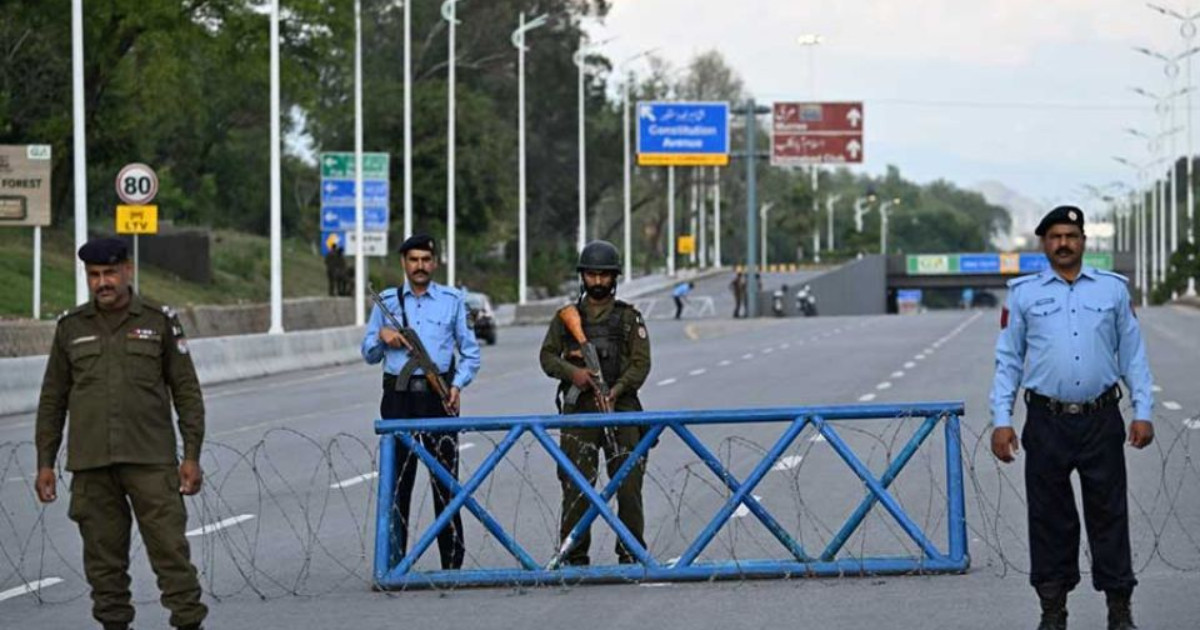
The detentions occurred as activists attempted to hold the annual women’s rights demonstration in Islamabad. Police said the action was taken because Section 144 had been imposed in parts of the city, making public assemblies illegal without prior authorization.
Authorities cite security restrictions
Section 144 of the Code of Criminal Procedure empowers local authorities to prohibit public gatherings if they believe such assemblies could threaten public safety or disrupt public order. Officials frequently invoke the measure during political protests, religious gatherings, or periods of heightened security in Pakistan’s major cities.
Local authorities have previously justified the use of Section 144 in Islamabad by citing security concerns tied to the presence of government institutions, foreign missions, and sensitive installations in the capital. The law authorizes police to disperse crowds and detain individuals participating in unlawful assemblies.
Rights groups challenge use of public order laws
Civil society groups and rights advocates have repeatedly criticized the use of Section 144 to prevent peaceful demonstrations. They argue that the provision, originally introduced under British colonial rule, is often used to curb dissent rather than address genuine security threats.
Activists involved with Aurat March say the demonstration is an annual event highlighting gender equality, workplace rights, and violence against women. In previous years, the march has faced administrative hurdles, security restrictions, and legal challenges in several Pakistani cities.
Impact on journalists covering protests
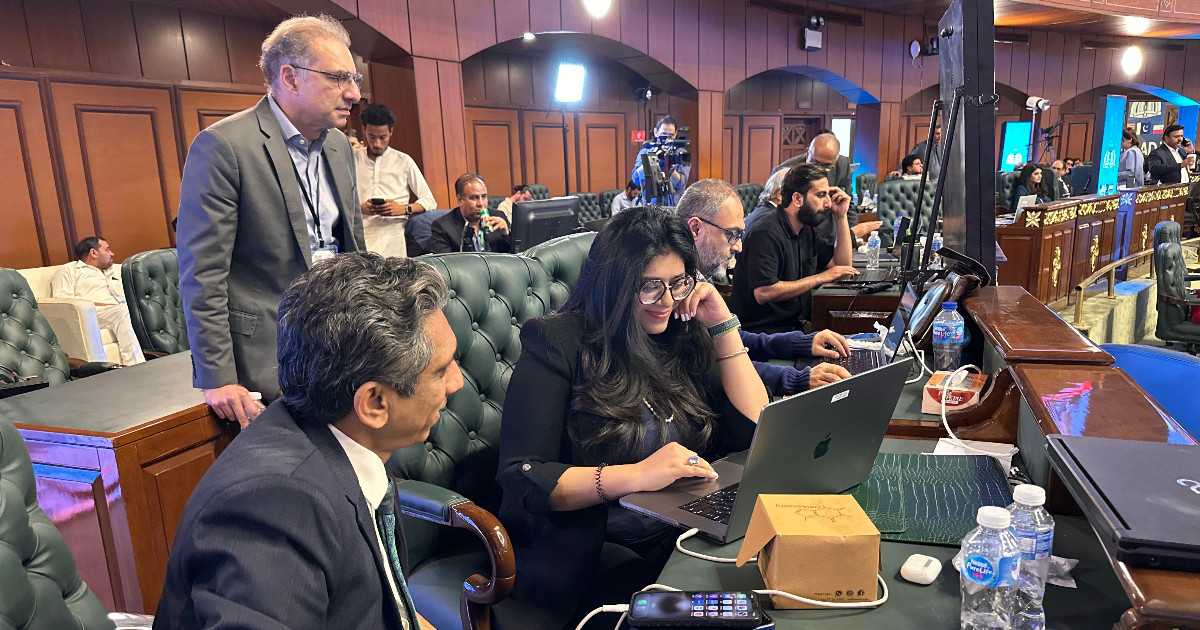
The brief detention of journalists during the Islamabad crackdown has raised concerns within media circles about the safety of reporters covering demonstrations. Journalists often attend protests to document events and report on public interest issues, but they can be caught up in police operations when authorities disperse crowds.
Media organizations in Pakistan have previously urged authorities to ensure that reporters covering protests are not detained or obstructed while performing their professional duties.
WHY THIS MATTERS: The incident highlights the risks journalists face when covering protests and public demonstrations in Pakistan. Frequent use of Section 144 can complicate reporting on civic activism, forcing journalists to navigate legal restrictions while documenting events of public interest.
ATTRIBUTION: Reporting by JournalismPakistan, based on publicly available statements and verified accounts from participants released March 9, 2026.
PHOTO: Courtesy of Adnan Rehmat via Facebook
Key Points
- Dozens of participants were detained during the Aurat March in Islamabad.
- Three journalists, Sehrish Qureshi, Farhat Fatima, and Ismat Jabeen, were briefly held and later released.
- Police cited the imposition of Section 144, which restricts public assemblies, as justification.
- Authorities point to security concerns in the capital, including government and diplomatic sites.
- Rights groups have criticized the use of the colonial-era law to curb peaceful demonstrations.
Key Questions & Answers
Were journalists arrested during the Aurat March?
Yes; three journalists were briefly detained during the march and were later released.
Why did authorities enforce Section 144?
Officials said Section 144 was imposed in parts of Islamabad to restrict public assemblies for security reasons.
What does Section 144 allow authorities to do?
Section 144 permits local administrations to prohibit public gatherings and to disperse assemblies deemed unlawful.
How have rights groups responded?
Civil society and rights advocates have criticized the frequent use of Section 144, arguing it is often used to prevent peaceful demonstrations.
Ask AI: Understand this story your way
AI EnabledDig deeper, ask anything — get instant context, background, and clarity.
Disclaimer: This feature is powered by AI and is intended to help readers explore and understand news stories more easily. While we strive for accuracy, AI-generated responses may occasionally be incomplete or reflect limitations in the underlying model. This feature does not represent the editorial views of JournalismPakistan. For our full, verified reporting, please refer to the original article.