
Online harassment campaigns target women journalists in India
JournalismPakistan.com | Published: 9 March 2026 | JP Staff Report
Join our WhatsApp channel
Press freedom groups warn of coordinated online harassment in India targeting women journalists with trolling, misogynistic slurs, threats, doxxing and manipulated images; analysts say campaigns often follow political reporting and aim to silence.Summary
NEW DELHI — Press freedom watchdogs and media advocacy groups are raising concern over a growing pattern of coordinated online harassment targeting women journalists in India, warning that gender-based abuse on social media is increasingly being used to intimidate reporters and undermine their work.
The attacks typically involve waves of trolling, misogynistic slurs, and threats posted across major platforms after journalists publish or broadcast reports on politically sensitive issues. Analysts say the campaigns are often amplified through coordinated networks that seek to discredit journalists and flood their social media accounts with abusive messages.
Gendered abuse has become a persistent challenge for women journalists globally, according to international press freedom organizations, which say digital intimidation frequently aims to silence critical reporting and push reporters out of public discourse.
Coordinated abuse targeting political reporting
Media monitoring groups say many harassment campaigns are triggered when women journalists publish stories or commentary related to government policies, elections, or political leaders. The online attacks often escalate quickly, with reporters receiving hundreds or thousands of abusive messages within hours of posting a story or commentary online.
The harassment frequently includes threats of violence, sexualized insults, and attempts to question a journalist’s credibility or professionalism. Some campaigns also involve the circulation of manipulated images, doxxing attempts, or coordinated smear campaigns designed to damage reputations.
Press freedom advocates warn that the cumulative impact of such harassment can create a chilling effect within newsrooms. Reporters may avoid covering controversial political issues or reduce their online engagement with audiences to protect themselves from abuse.
Impact on newsroom participation and press freedom
International media watchdogs say gender-based digital violence is now one of the most common threats faced by women journalists worldwide. These attacks often blur the line between online harassment and real-world intimidation, increasing safety concerns for reporters.
Safety experts note that sustained online abuse can lead to psychological stress, self-censorship, or even journalists leaving the profession altogether. When women journalists withdraw from public-facing reporting roles, it can narrow the diversity of voices in news coverage and weaken investigative journalism.
Advocates are urging governments, media organizations, and technology platforms to strengthen protection for journalists and enforce stronger moderation policies against coordinated harassment campaigns.
WHY THIS MATTERS: Digital harassment campaigns targeting women journalists are not limited to one country and increasingly affect journalists across South Asia, including Pakistan. Newsrooms in Pakistan can draw lessons from these trends by strengthening digital safety protocols, providing legal and psychological support for reporters facing online abuse, and developing strategies to counter coordinated disinformation and harassment campaigns.
ATTRIBUTION: Based on reporting by Reporters Without Borders (March 6, 2026) and analysis published by the Committee to Protect Journalists for International Women’s Day (March 8, 2026).
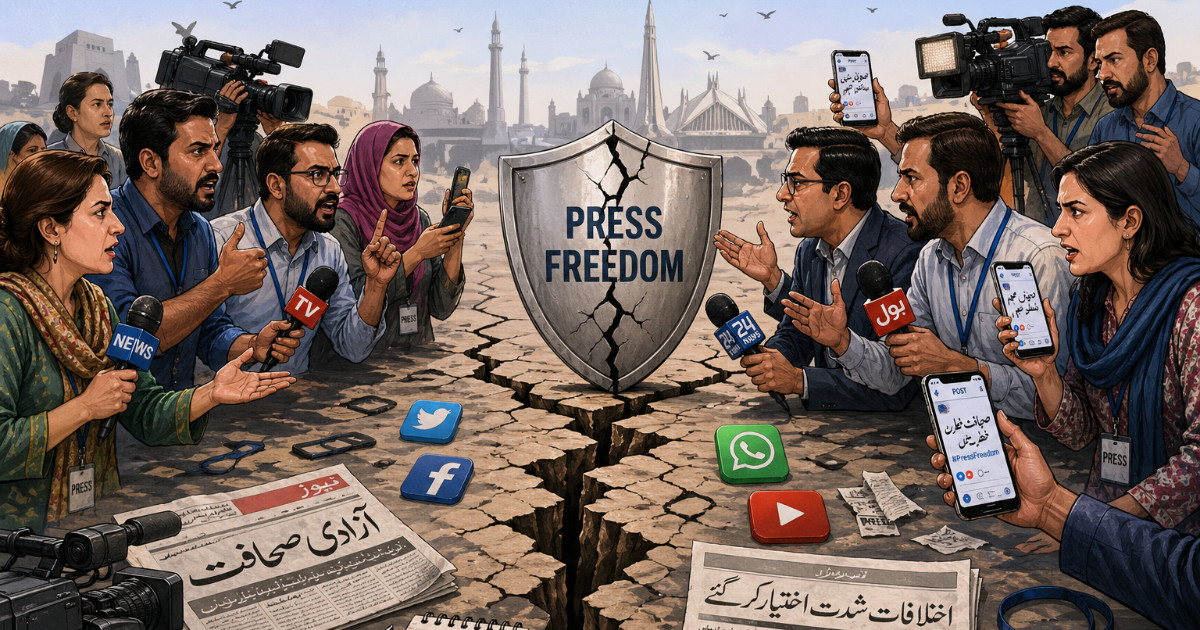
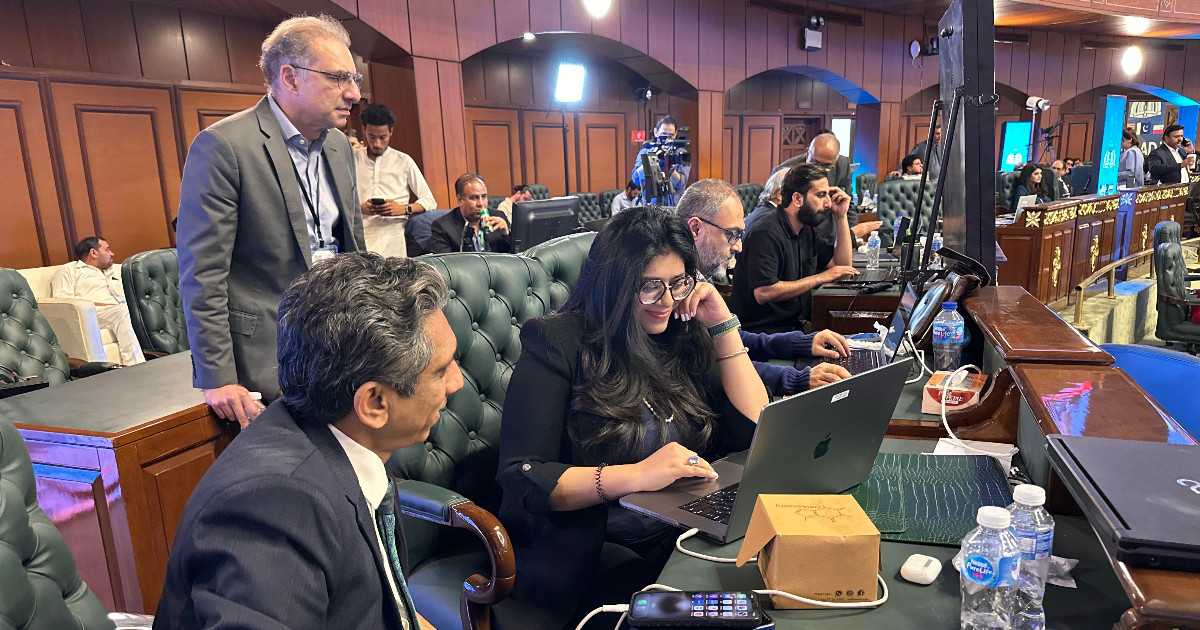
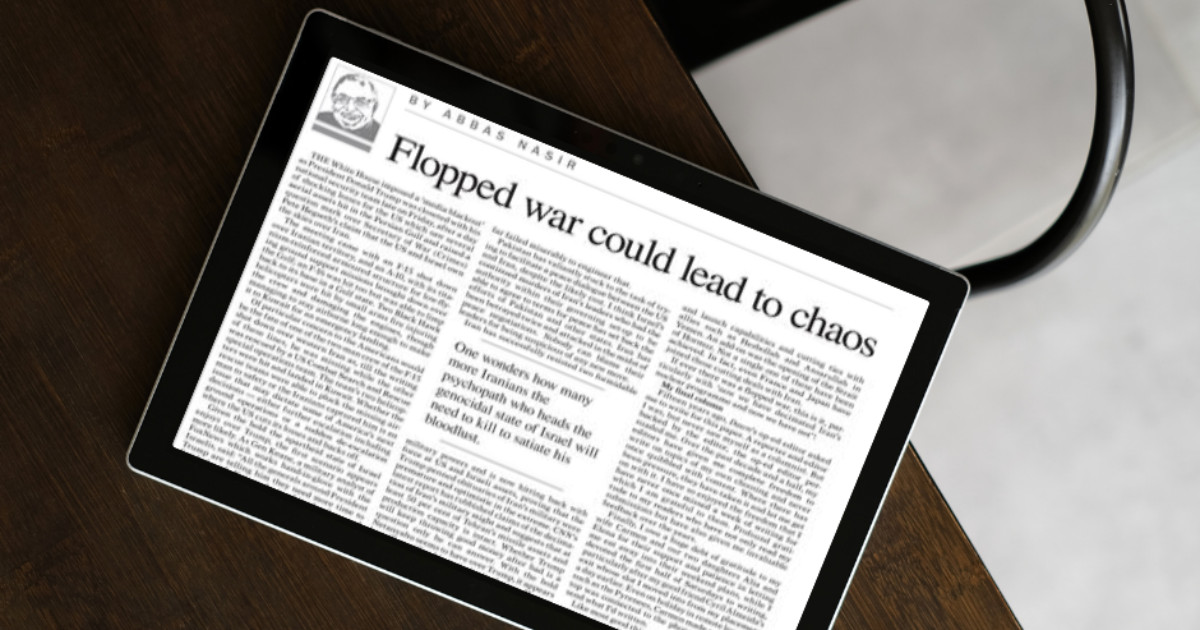
PHOTO: AI-generated; for illustrative purposes only.
Key Points
- Watchdogs report a rise in coordinated online abuse aimed at women journalists in India.
- Harassment commonly follows reporting on government policies, elections or political leaders.
- Abuse includes trolling, misogynistic slurs, threats, doxxing and manipulated images.
- Campaigns are often amplified by coordinated networks to flood accounts with abusive messages.
- Analysts warn these tactics seek to discredit journalists and push them out of public discourse.
Key Questions & Answers
What forms does the harassment take?
Harassment includes waves of trolling, misogynistic slurs, threats of violence, doxxing attempts and circulation of manipulated images.
Who is typically targeted and why?
Women journalists who report on politically sensitive issues are often targeted; campaigns aim to intimidate, discredit and silence critical reporting.
How are these campaigns amplified?
Analysts say coordinated networks and rapid mass posting on major social platforms amplify abuse to overwhelm reporters' accounts and public perception.
What are the implications for press freedom?
Digital intimidation can chill reporting and reduce women journalists' participation in public discourse; press groups warn it undermines independent journalism.
Relevant Topics
Ask AI: Understand this story your way
AI EnabledDig deeper, ask anything — get instant context, background, and clarity.
Disclaimer: This feature is powered by AI and is intended to help readers explore and understand news stories more easily. While we strive for accuracy, AI-generated responses may occasionally be incomplete or reflect limitations in the underlying model. This feature does not represent the editorial views of JournalismPakistan. For our full, verified reporting, please refer to the original article.