
Journalists pay a deadly price covering Middle East wars
JournalismPakistan.com | Published: 9 August 2026 | JP Middle East Desk
Join our WhatsApp channel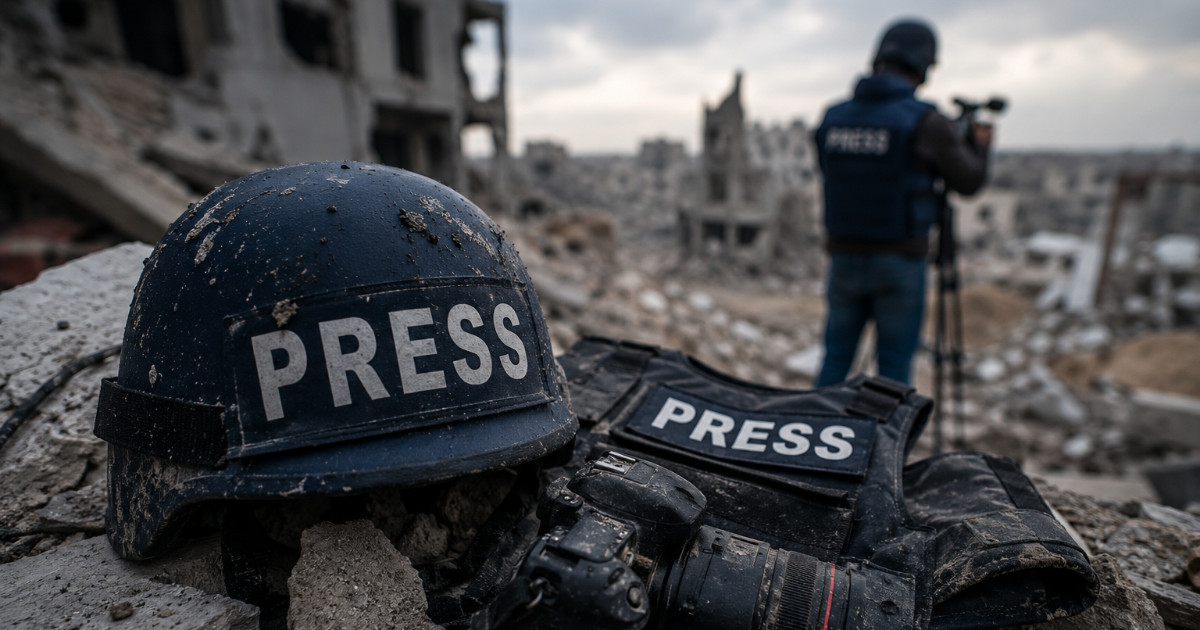
Journalists reporting on wars in Gaza, Lebanon, Yemen and Iran have faced high casualties since October 2023, with rights groups documenting hundreds of deaths and probing allegations of deliberate targeting amid severe restrictions on independent reporting.Summary
GAZA — Journalists covering conflicts across Gaza, Lebanon, Yemen and Iran continue to face lethal risks, with recent killings and investigations highlighting the dangers of reporting from active war zones and raising renewed questions about the protection of the press under international law.
The latest concerns come as human rights organizations investigate the April killing of Lebanese journalist Amal Khalil, while the Committee to Protect Journalists continues to document an exceptionally high number of journalist and media-worker deaths linked to the wars that have spread across the region since October 2023.
A pattern of deadly reporting
The Committee to Protect Journalists said in June that at least 263 journalists and media workers had been killed across Gaza, Yemen, Lebanon, Israel and Iran since October 2023, while stressing that its figures remain subject to verification. CPJ also said it was reviewing its records after evidence emerged that some individuals previously listed as journalists were combatants. Eight names were subsequently removed from its database.
The scale of the deaths has nevertheless made the Israel-Gaza war the deadliest conflict on record for journalists, according to CPJ. By late April, the organization had documented at least 207 Palestinian journalists and media workers killed in Gaza since October 2023, including cases it said showed evidence of deliberate targeting.
The killings have occurred amid severe restrictions on independent reporting. Foreign journalists have faced restrictions on entering Gaza, while damage to communications infrastructure, displacement and the destruction of media facilities have made verification increasingly difficult.
Amal Khalil case renews accountability concerns
The killing of Amal Khalil has brought the question of accountability back into focus. Khalil, a veteran correspondent for the Lebanese newspaper Al-Akhbar, was killed on April 22 in an Israeli airstrike in the southern Lebanese village of At-Tiri. Journalist Zeinab Faraj was seriously injured in the same incident.
In August, Human Rights Watch, Amnesty International and the Beirut-based Legal Agenda concluded that the circumstances surrounding the attack warranted investigation as a possible war crime. Their findings said Israeli forces were aware of the journalists' presence and that efforts to reach the wounded were obstructed. Israel has said its forces were targeting Hezbollah operatives and has disputed the characterization of the incident as an intentional attack on journalists.
The case is significant beyond the death of one reporter. It illustrates the growing concern among press-freedom and human rights organizations that journalists working in conflict areas may be exposed to attacks without effective mechanisms for accountability.
Yemen shows another dimension of the danger
The threat has not been confined to Gaza and Lebanon. In September 2025, an Israeli strike on a media complex in Sanaa killed 31 journalists and media support workers, according to CPJ and the publications operating from the site.
The strike hit offices associated with the 26 September and Yemen newspapers while staff was preparing a weekly edition. The attack destroyed newsroom facilities and archives and became one of the deadliest single attacks on journalists in recent years.
The incident also illustrates the complications involved when media organizations operate in territory controlled by an armed group. The publications were affiliated with the Houthi authorities, and Israel said it had targeted a Houthi military-related site. CPJ nevertheless documented those killed as journalists and media workers and called for accountability.
The risks extend beyond the battlefield
Iran has also experienced deadly attacks on media workers during the regional conflict. The Tehran Times, marking Iran's Journalists' Day on August 8, recalled the death of Iranian reporter Mahmoud Saremi in Afghanistan in 1998 and used his story to frame the dangers faced by journalists across the region.
The newspaper also reported deaths among Iranian media workers during Israeli attacks, including the June 2025 strike on the headquarters of Iran's state broadcaster in Tehran. Independent verification of individual cases and totals remains important, particularly because casualty figures from wartime reporting can vary between organizations and may be revised as investigations continue.
For journalists, the broader pattern is clear even when individual figures remain contested: reporting from conflict zones increasingly means working amid airstrikes, destroyed communications infrastructure, displacement and restrictions imposed by both states and armed groups.
Why the issue matters
Journalists are civilians under international humanitarian law unless they take direct part in hostilities. Attacks that deliberately target journalists because of their work, as well as indiscriminate or disproportionate attacks that harm civilians, can raise serious questions under international law.
The continuing death toll also has consequences beyond the loss of individual reporters. When journalists are killed, news organizations lose local knowledge, institutional memory and the ability to independently document events. The destruction of newsrooms and archives can compound that loss by erasing records that may later be critical to investigations.
The result is a widening information gap at precisely the moment when independent reporting is most important. In Gaza, Lebanon, Yemen and Iran, journalists are documenting wars in which access is restricted, narratives are fiercely contested, and evidence can disappear as quickly as buildings are destroyed.
For press-freedom organizations, the central concern is therefore no longer simply the number of journalists killed. It is whether governments and armed groups will be held accountable when journalists are attacked, and whether the international community can establish meaningful protections for reporters working in some of the world's most dangerous conflict zones.
ATTRIBUTION: Based on a report published by Tehran Times on August 8, 2026. Key developments and casualty information were independently checked against publicly available reporting and documentation by the Committee to Protect Journalists, Associated Press, Human Rights Watch, Amnesty International, and Legal Agenda.
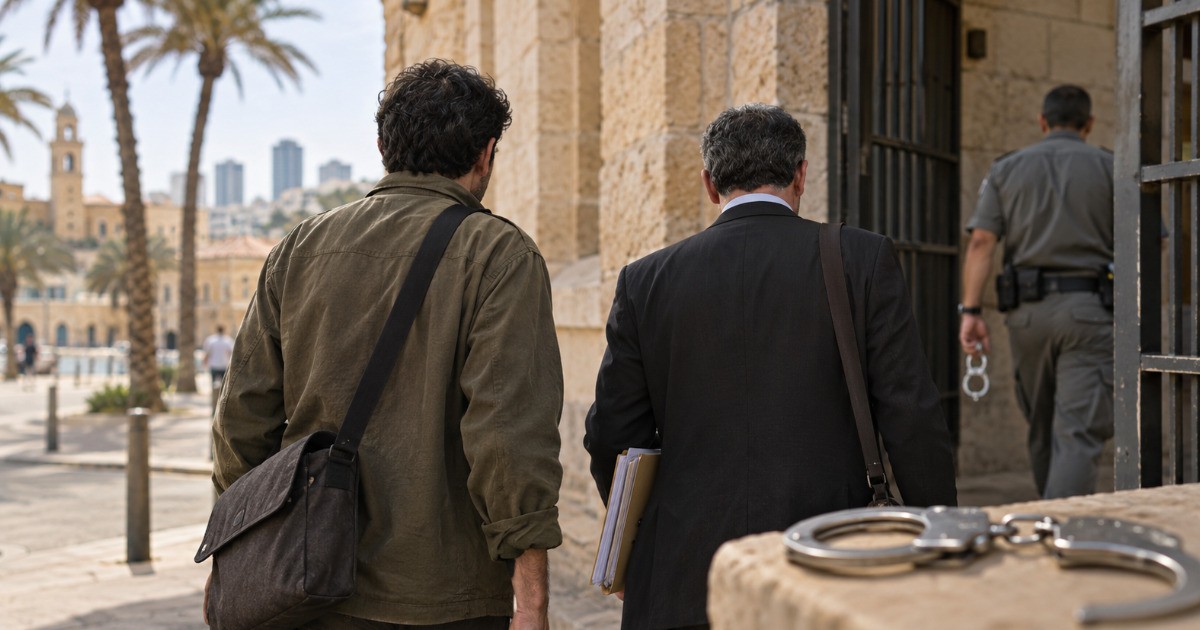
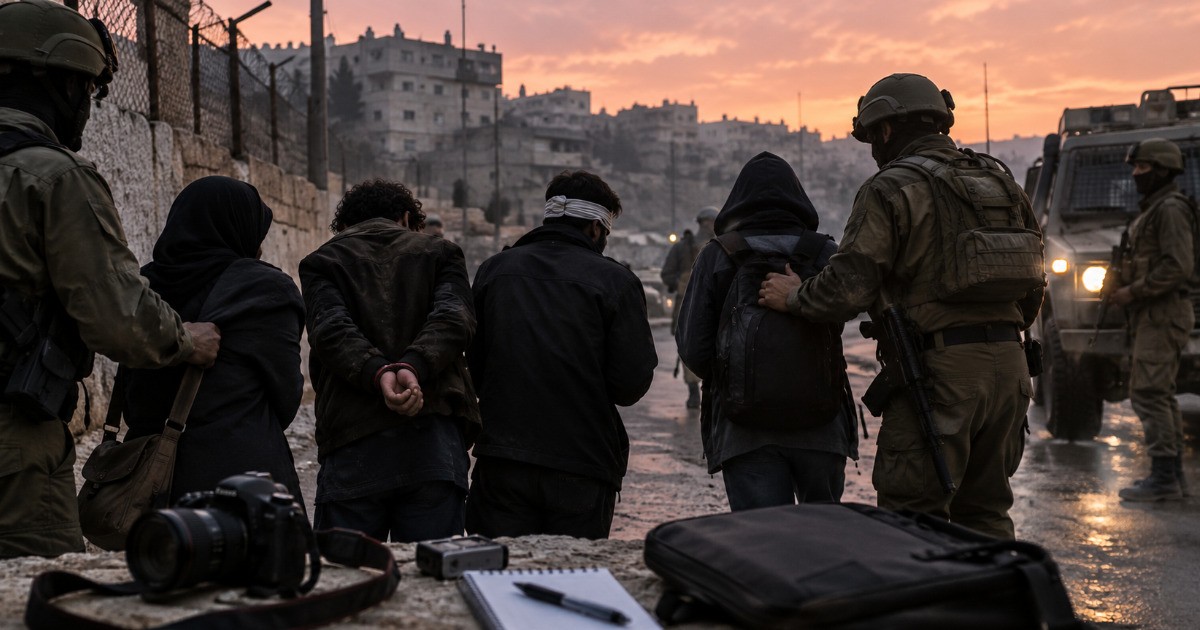
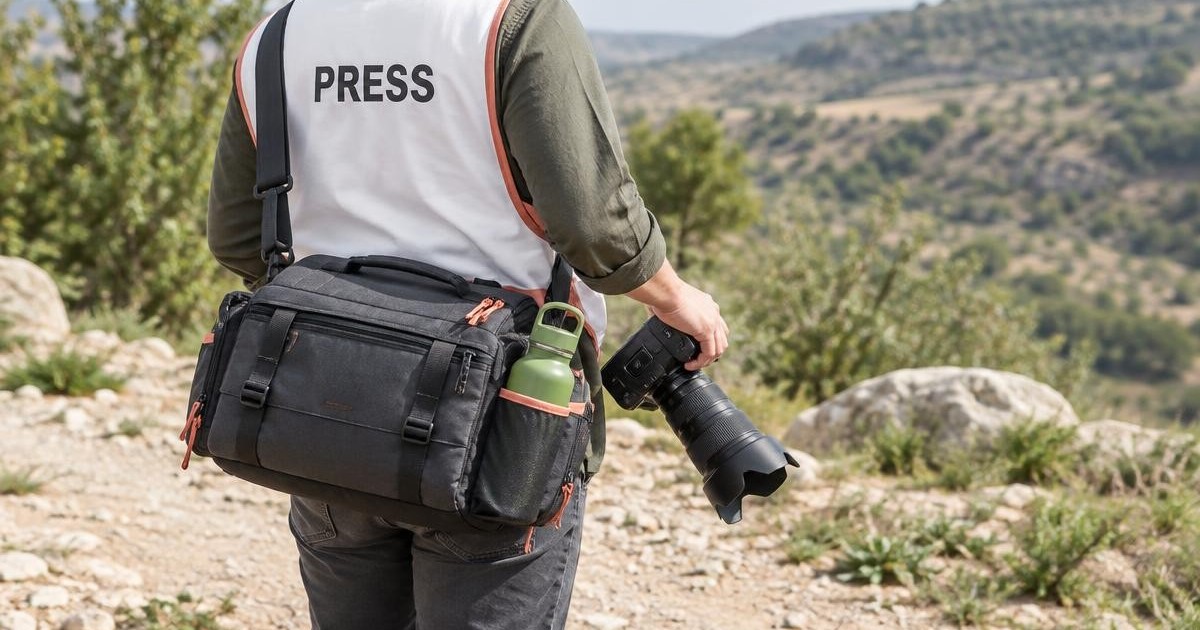
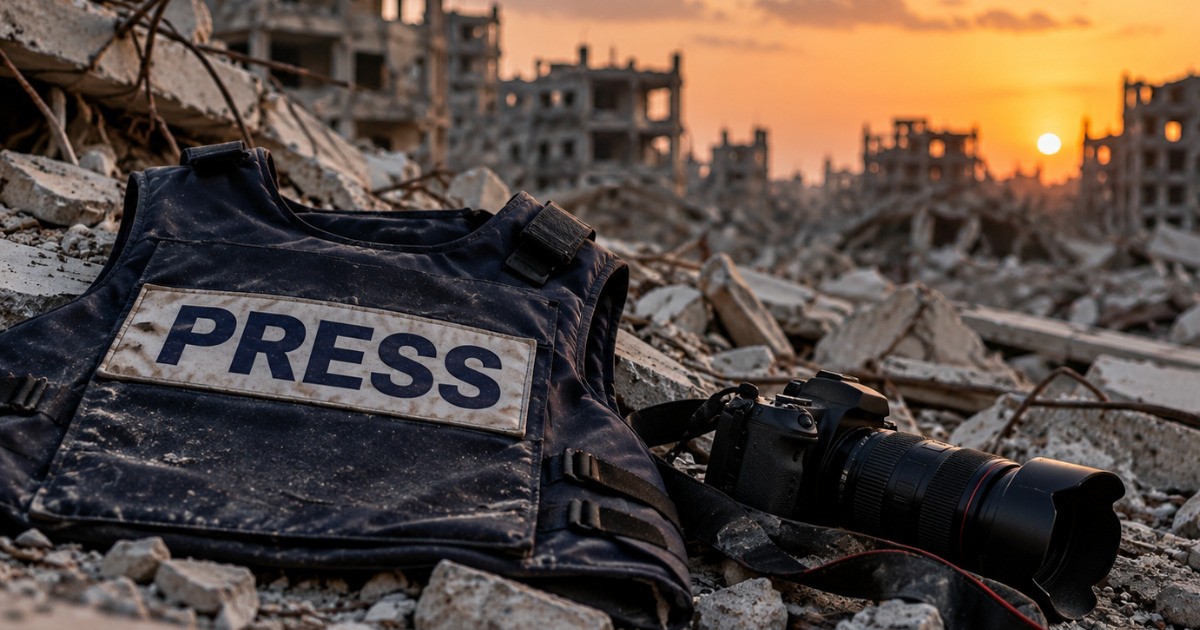
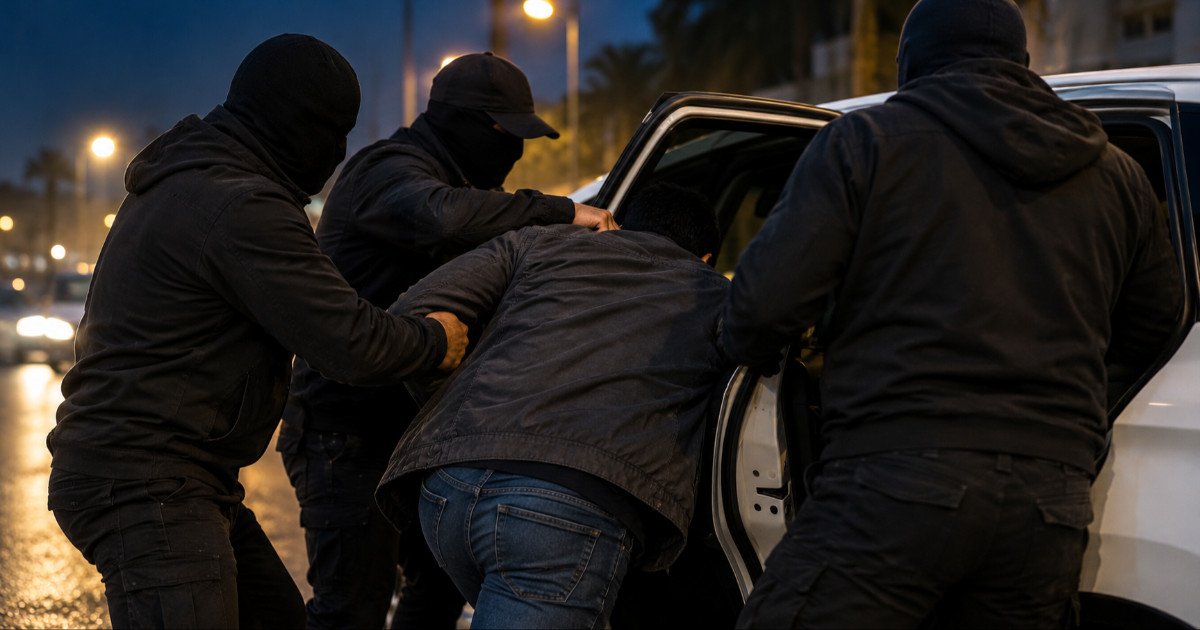
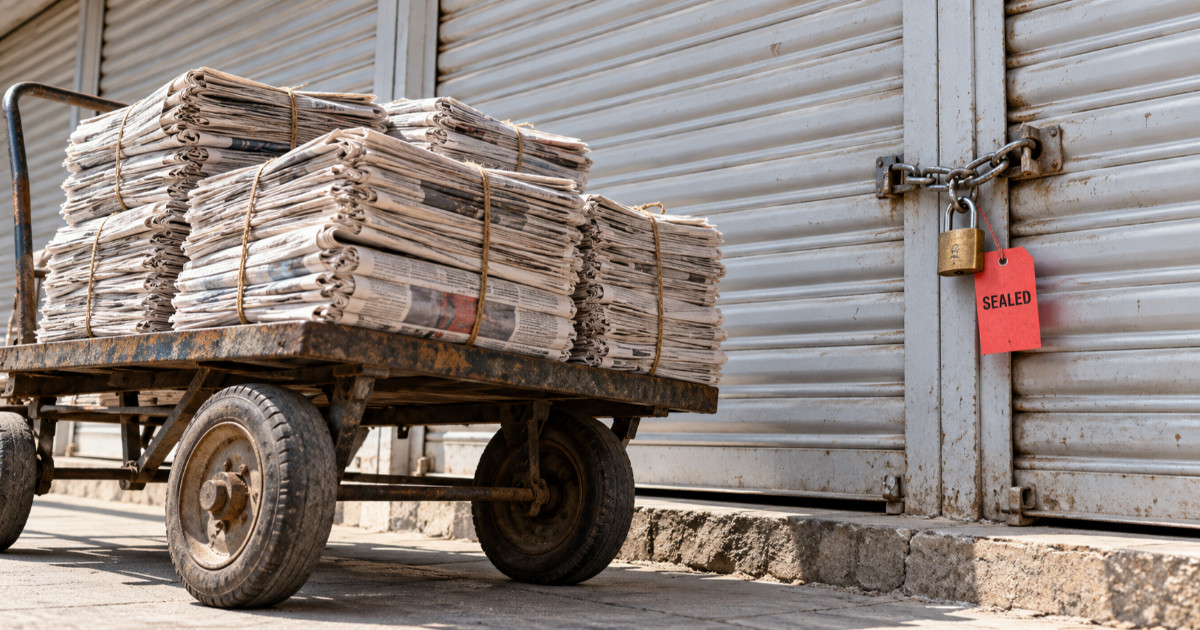
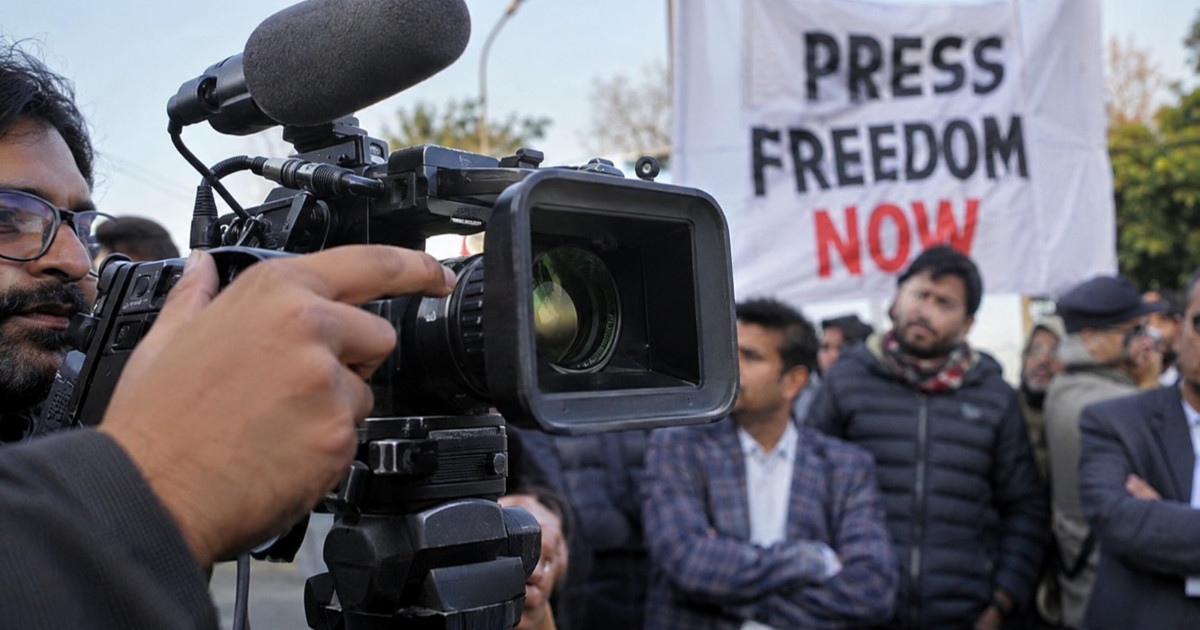
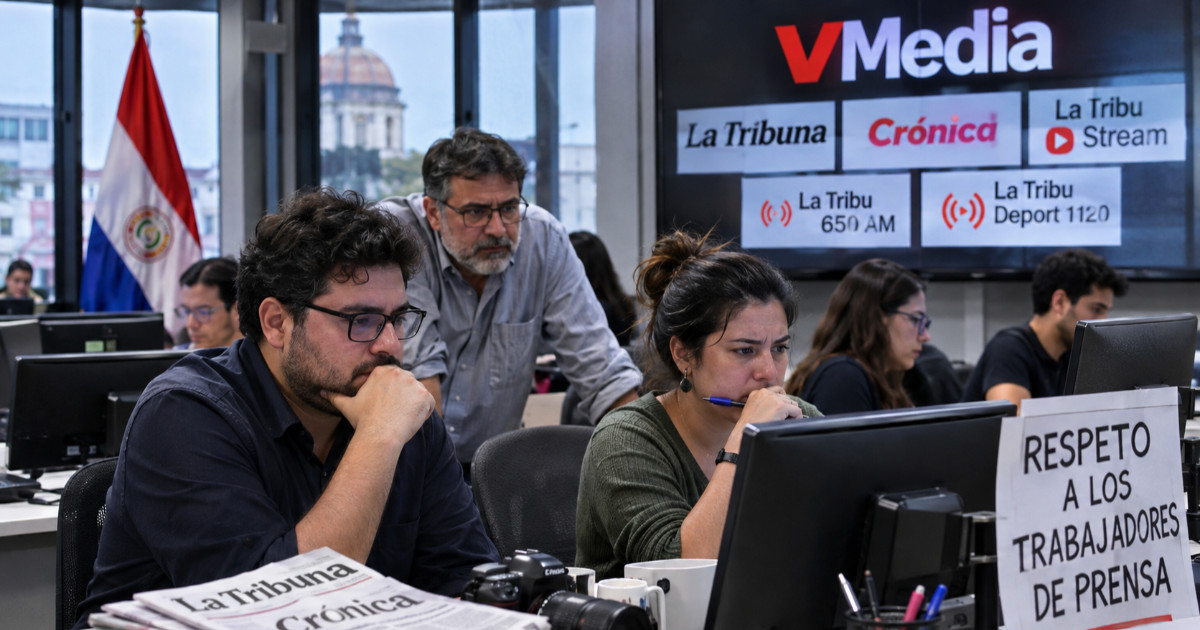
PHOTO: AI-generated; for illustrative purposes only.
Key Points
- CPJ reported at least 263 journalists and media workers killed across Gaza, Yemen, Lebanon, Israel and Iran since October 2023, subject to verification.
- At least 207 Palestinian journalists and media workers were documented killed in Gaza, making it the deadliest conflict on record for the press.
- Human rights groups are investigating cases including the April killing of Lebanese journalist Amal Khalil amid allegations of deliberate targeting.
- CPJ removed eight names from its database after evidence suggested some listed individuals were combatants rather than journalists.
- Independent reporting has been hindered by strict entry restrictions, damage to communications infrastructure and other operational obstacles.
Key Questions & Answers
Why are journalists at heightened risk in these conflicts?
Reporting in active war zones exposes journalists to frontline combat, airstrikes and crossfire; restrictions on movement and damaged communications also increase vulnerability and hinder safety measures.
How many journalists have been killed since October 2023?
Rights groups such as the Committee to Protect Journalists have documented hundreds of journalist and media-worker deaths across Gaza, Yemen, Lebanon, Israel and Iran, with figures under ongoing verification.
Are investigations under way into specific killings?
Yes. Human rights organizations are investigating several high-profile cases, including the April killing of Lebanese journalist Amal Khalil, to determine causes and any deliberate targeting.
What challenges hinder independent reporting in these areas?
Journalists face restricted access, safety threats, damage to communications infrastructure, and operational limits imposed by combat conditions and authorities, all of which constrain independent coverage.
Relevant Topics
Ask AI: Understand this story your way
AI EnabledDig deeper, ask anything — get instant context, background, and clarity.
Disclaimer: This feature is powered by AI and is intended to help readers explore and understand news stories more easily. While we strive for accuracy, AI-generated responses may occasionally be incomplete or reflect limitations in the underlying model. This feature does not represent the editorial views of JournalismPakistan. For our full, verified reporting, please refer to the original article.