
Dangerous medical misinformation: How PTV's false narrative threatens cancer patients
JournalismPakistan.com | Published: 18 December 2024 | JP Staff Report
Join our WhatsApp channel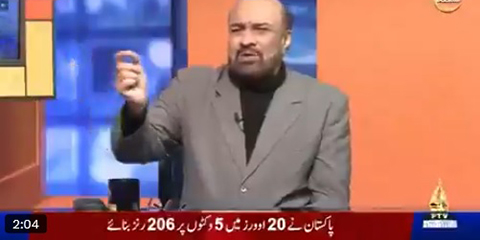
Pakistan Television has been criticized for spreading dangerous misinformation about cancer treatments. Medical experts emphasize the need for accurate, science-based information to protect patients.Summary
ISLAMABAD—In a disturbing display of medical irresponsibility, Pakistan Television (PTV) has spread potentially life-threatening misinformation about cancer treatment, drawing sharp criticism from medical professionals.
During a recent broadcast, analyst Rizwan Razi made a series of medically unfounded claims about cancer treatment, targeting Shaukat Khanum Cancer Hospital and promoting a purported new Chinese technology that he claimed could freeze and remove cancer without chemotherapy.
Dr. Waqas Nawaz, an assistant professor of gastroenterology in the United States, comprehensively dismantled these claims, calling them "disinformation, lies, and misleading."
Key Falsehoods Exposed
Treatment Misconception: Contrary to Razi's claims, cancer treatment is stage-specific. Stages II and III often require chemotherapy alongside surgery. Chemotherapy Myths: The notion that chemotherapy cannot exceed three cycles is medically incorrect. Treatment cycles vary based on cancer type, spread, and patient condition.
Fictional Technology: The alleged Chinese cancer-freezing technology appears to be a fabrication, unsupported by medical research centers like MD Anderson. Hospital Treatment Claims: Statements suggesting universal treatment at Nawaz Sharif Cancer Hospital for all ages and stages are medically impossible and dangerous.
Dr. Nawaz's challenge is unequivocal: Any licensed doctor validating these claims should come forward, or the anchors should publicly apologize for spreading potentially fatal misinformation.
The Broader Danger
While PTV's viewership might be low, its potential to mislead vulnerable populations—particularly in rural areas—remains significant. Patients might abandon proven treatments based on these false narratives, risking their lives.
This incident underscores a growing concern: the weaponization of medical information for political gains, which can have devastating consequences for patients seeking genuine medical guidance.
Medical activism and critical fact-checking are crucial in combating such dangerous misinformation. Patients deserve accurate, science-based information, not politically motivated propaganda that could cost lives.
KEY POINTS:
- PTV aired unfounded claims about a new cancer treatment technology.
- Dr. Waqas Nawaz called the claims 'disinformation' and challenged their validity.
- Chemotherapy treatment misconceptions were highlighted as dangerous.
- False narratives may lead vulnerable patients to abandon effective treatments.
- The incident underscores the need for medical activism and fact-checking.