
Recycled guests and repeated narratives: The talk show problem in Pakistan
JournalismPakistan.com | Published: 7 September 2024 | Imran Naeem Ahmad
Join our WhatsApp channel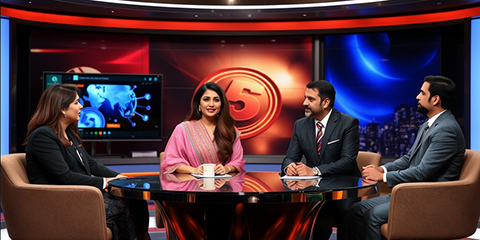
Pakistani media faces significant challenges due to censorship and political pressure, impacting its role in providing critical news. Talk shows have become repetitive and superficial, while the public increasingly turns to digital media for diverse perspectives.Summary
ISLAMABAD—Pakistani media, once a beacon of public service, is now mired in a mess of censorship, political influence, and economic hardships. Once known for digging deep into the truth, uncovering corruption, and holding those in power accountable, today’s media landscape seems barren. Investigative journalism, the backbone of a free press, has seemingly vanished. Instead, prime-time slots are consumed by political addresses and weather updates—topics that divert attention from critical national issues like the economy, terrorism, and international affairs.
What has gone so wrong? Why has Pakistani media abandoned its commitment to journalism, and more importantly, to its audience?
Censorship and Political Influence
At the heart of the issue lies censorship, both overt and subtle. The political environment in Pakistan has long been hostile to free expression, and the media is often its first victim. Journalists who dare to cross lines are silenced, fired, or threatened. But it’s not just the government stifling voices; powerful political parties, institutions, and business interests have also exerted influence, reducing the media to a mouthpiece rather than a watchdog.
Gone are the days of in-depth, investigative reporting. The stories that matter—those that uncover the truth, expose corruption, and challenge the status quo—are buried under layers of censorship. Instead, we see a barrage of press conferences by political leaders and government ministers. Reporting the government’s version of events has become the norm, leaving little room for dissenting voices or independent analysis.
Monotonous Talk Shows and Recycled Guests
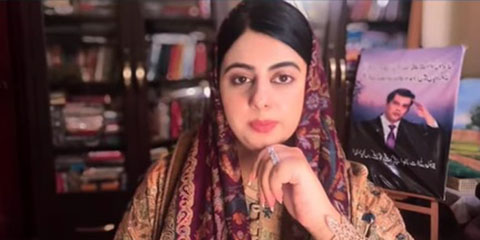
Perhaps the biggest indicator of the media’s decline is the state of talk shows. Once a forum for intellectual debate, these shows have become monotonous and predictable. Night after night, the same tired format is followed: anchors moderate superficial discussions between a panel of political representatives or journalists, offering little insight into the critical issues facing the country.
Even more troubling is the revolving door of guests—many of whom appear on several talk shows on the same night, giving the illusion of variety while repeating the same narratives. Journalists from one channel appear as guests on another, leading viewers to wonder: Have the media run out of guests, ideas, or both?
With the same faces and the same rhetoric, it’s no surprise that the viewership of these talk shows is plummeting. The public is turning away, disillusioned by the lack of originality and depth. Instead, they’re seeking refuge in digital media platforms, where they can find a more diverse range of opinions and, crucially, unfiltered truth.
Avoiding Critical Topics
Equally alarming is the media’s avoidance of topics that should dominate the national conversation. The economy is in shambles, yet there is hardly any serious analysis of its causes or solutions. Terrorism, which is again rearing its ugly head in parts of the country, is brushed aside in favor of more ‘comfortable’ subjects like the prevailing weather conditions or government speeches. International news, which is crucial for understanding Pakistan’s place in the world, is virtually nonexistent in mainstream coverage.
Instead of grappling with these critical issues, the media seem content with regurgitating press releases and political soundbites. The result is a dangerously misinformed public, unaware of the real challenges facing the nation.
The Public Turns to Digital Media
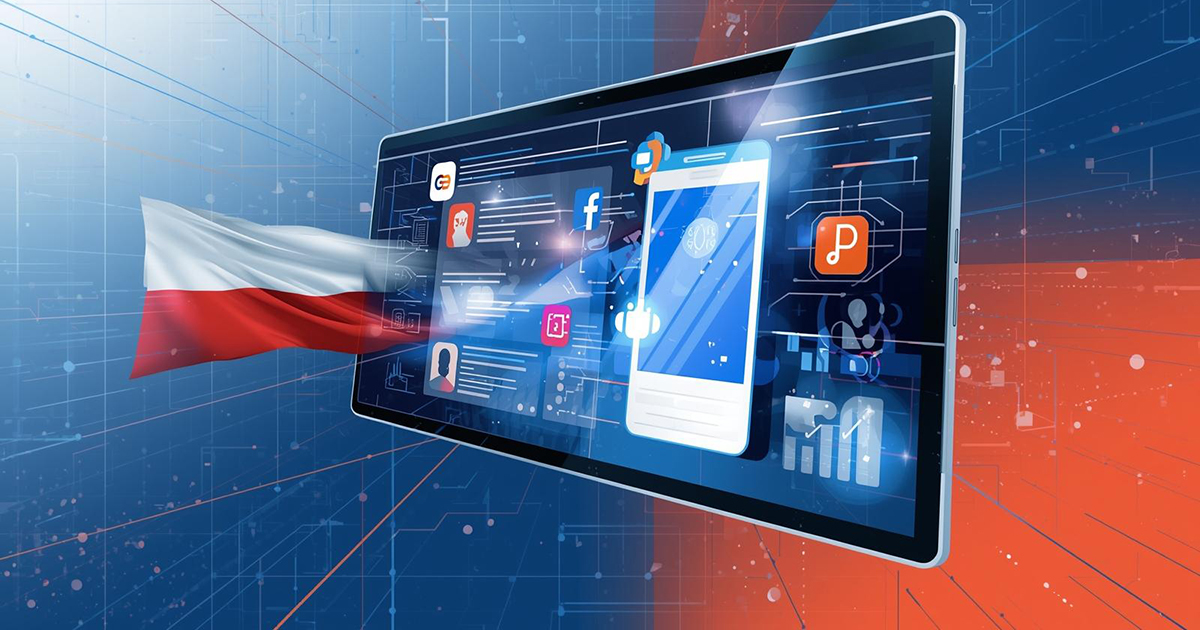
The failure of traditional media to fulfill its role has not gone unnoticed. The public, increasingly disillusioned with biased reporting, is turning to digital media for a more honest portrayal of events. Independent digital platforms, social media influencers, and YouTube channels are offering the truth that traditional news outlets refuse to tell.
This shift signals a major shift in how Pakistanis consume news. No longer reliant on TV screens, they are accessing a wider array of information online, often bypassing the censorship and political influence that plague mainstream channels.
The Way Forward
The state of Pakistani media is bleak, but it’s not beyond redemption. If journalism in Pakistan is to regain its credibility, it must shed its reliance on political and commercial interests. Investigative reporting needs to return, and the voices of independent journalists must be amplified, not silenced.
It’s time for the media to break free from its chains of censorship and political influence. Only then can it serve its true purpose: telling the truth, holding power accountable, and informing the public without bias or fear.
KEY POINTS:
- Censorship stifles independent journalism in Pakistan.
- Talk shows feature repetitive formats and guests, losing viewership.
- Critical national issues like the economy and terrorism are largely ignored.
- Public is shifting to digital platforms for diverse news.
- Media needs to restore its commitment to investigative reporting.