
How press freedom rankings are determined
JournalismPakistan.com | Published: 20 January 2026 | JP Staff Report
Join our WhatsApp channel
Reporters Without Borders' World Press Freedom Index rates countries annually using 0-100 scores. Scores combine a quantitative tally of abuses against journalists and a qualitative questionnaire answered by press freedom experts to assess media freedom.Summary
PARIS — The World Press Freedom Index ranks countries annually to show how free journalists and media can operate without undue restraints. The ranking is produced by the international media watchdog Reporters Without Borders and is widely cited by governments, researchers, and advocacy groups to assess trends in media freedom around the world. The index is intended to reflect conditions that affect the ability of journalists to report independently and safely.
The core of the ranking is a score assigned to each country that ranges from zero to one hundred. A higher score indicates a higher level of press freedom. These scores determine the position of each country relative to others in the global ranking of 180 countries.
Methodology and scoring
Reporters Without Borders calculates each country’s score using two main components. The first component is a quantitative tally of abuses against media and journalists, such as physical attacks, legal actions, censorship, or other pressures linked to their work. This tally is designed to capture measurable incidents that affect press freedom.
The second component is a qualitative analysis based on a detailed questionnaire completed by press freedom specialists. These specialists include journalists, researchers, academics, and human rights defenders familiar with conditions in the countries evaluated. The questionnaire covers a wide range of indicators that together describe the broader media environment.
Qualitative indicators
The qualitative analysis uses multiple contextual indicators to capture the complexity of press freedom conditions. These include the political environment, the legal framework governing media, economic pressures on news organisations, sociocultural influences on journalism, and the safety of media professionals. Each of these contextual indicators is scored on a subsidiary scale and then combined to produce an overall indicator score.
Questionnaire details
The press freedom questionnaire is translated into more than two dozen languages to ensure broad participation and accurate local insights. Respondents are asked to assess conditions such as government interference, legal protections for journalists, transparency of media ownership, and risks of violence or intimidation. All questions and subquestions carry equal weight within each context indicator.
From indicators to ranking
The final numerical score for each country incorporates both the quantitative count of abuses and the qualitative analysis from the questionnaire. Once scores are calculated, countries are ordered from highest to lowest press freedom. The index also categorises scores into bands that describe the level of press freedom, from good to very serious concern.
Users of the index are advised that it does not measure the quality of journalism itself or overall human rights conditions, but specifically focuses on the freedom journalists have to operate. Trends observed in the rankings can offer insight into how legal, political, or economic developments affect media independence over time.
ATTRIBUTION: Methodology and ranking details are based on Reporters Without Borders published documentation.
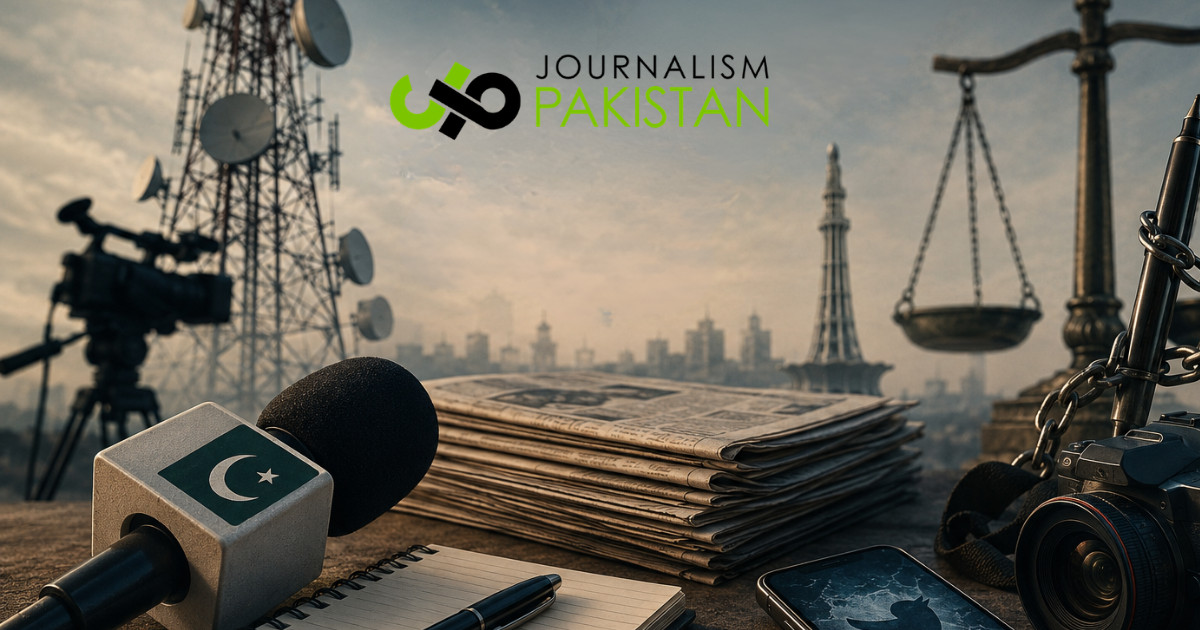
PHOTO: AI-generated; for illustrative purposes only
Key Points
- Annual ranking assessing press freedom across countries by Reporters Without Borders.
- Each country receives a 0-100 score; higher scores indicate greater press freedom.
- Quantitative component tallies abuses, attacks, legal pressures and censorship incidents.
- Qualitative component uses a detailed questionnaire completed by press freedom specialists.
- Combined scores are used to compare countries and track global media freedom trends.
Relevant Topics
Ask AI: Understand this story your way
AI EnabledDig deeper, ask anything — get instant context, background, and clarity.
Disclaimer: This feature is powered by AI and is intended to help readers explore and understand news stories more easily. While we strive for accuracy, AI-generated responses may occasionally be incomplete or reflect limitations in the underlying model. This feature does not represent the editorial views of JournalismPakistan. For our full, verified reporting, please refer to the original article.