
Abdullah Malik (1920-2003)
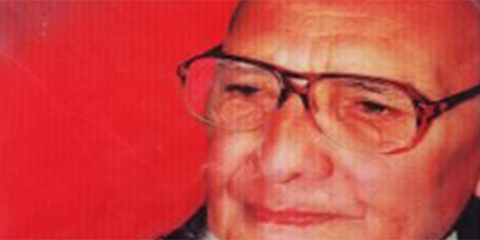
Journalist, writer and political activist, Abdullah Malik wrote in his book Purani Mehfilain Yaad aa Ra’hi Ain: “I can declare with pride that I have spent my entire life wedded to the same commitment, the same set of beliefs, namely the establishment one day of a socialist Pakistan…it will be a message of love for mankind, a message that transcends all religions, faiths and creeds.”
According to Malik, he was born “in the last years of the second decade of the 20th century, on 20 October 1920 in Lahore’s Koocha Chabukswaran, which was located in the heart of the city.” He got his early education from the Mission High School and graduated from the Islamia College.
Attracted to leftist politics, Malik joined the Communist Party newspaper, the Jang-i-Azadi. He also wrote treatises on capitalism and feudalism.
After working for a while for Qaumi Jang that was also translated in English as People’s War, Malik joined the agitational politics of the Majlis-i-Ahrar. He attended the first Communist Party Conference held in Bombay in 1943.
On the instructions of the party hierarchy, Malik along with a few other members joined the All India Muslim League (AIML). They were responsible for formulating the Punjab Muslim League’s manifesto which promised radical agrarian reforms and complete nationalization of transport and industry.
After partition, Malik chose to live in Pakistan. He was appointed editor of the government newspaper, Muhajirin. While he was working for the Urdu daily Imroze, Malik was dismissed by military ruler General Yayha Khan for his severe criticism of the military action taken in East Pakistan, for which he was imprisoned. He was also sentenced to lashes for writing an article against hanging of a former prime minister of Bangladesh Mujeebur Rehman. However, later the sentence was withdrawn.
According to Khalid Hasan, “Abdullah Malik was a one-man movement of action and ideas. There was no one quite like him – and those who knew him would confirm that it was so.”
Apart from working for several prestigious newspapers that included dailies Azad, The Pakistan Times, and Nawa-i-Waqt, Malik was also a prolific writer, writing extensively on literature, politics and the independence movement. He authored over two dozen books. Most of them were written on the history of Punjab and political movements in the subcontinent.
After a protracted illness, he died on April 9, 2003 in Islamabad.
Sources: khalidhasan.net, the Oxford Companion to Pakistan History; Dawn
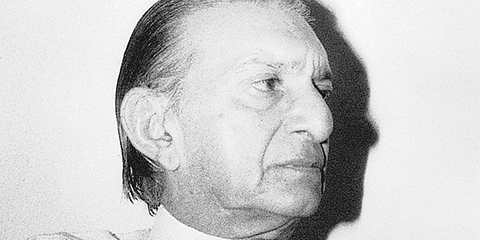
Omar Kureishi (1928-2005)
Omar Kureishi was a distinguished Pakistani writer. He worked in advertising, aviation and journalism, writing for many newspapers, including Dawn, The Pakistan Times, Morning News and The Guardian, London.
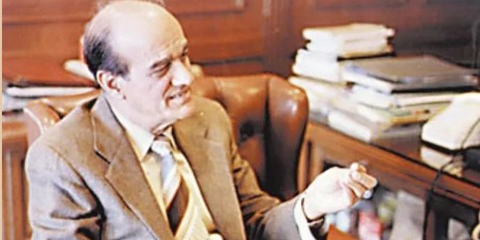
Mir Khalil-ur-Rahman (1927-1992)
Mir Khalil-ur-Rahman was the Founder and Editor of the Jang Group of Newspapers.. A self-made newspaper magnate he ranks among the most successful newspaper entrepreneurs in Asia.

Muhammad Ziauddin (1938-2021)
Muhammad Ziauddin, renowned as a capable and fiercely independent journalist, left a lasting legacy spanning over five decades. Known respectfully as Ziauddin Sahab, he was regarded as one of the last legendary journalists in Pakistan.
Yusuf Lodhi (Vai Ell) (1938-1996)
Yusuf Lodhi, an accidental but acerbic cartoonist, who introduced a new form of political caricature in Pakistan, joined the world of journalism in 1969 as assistant editor of Peshawar Times.
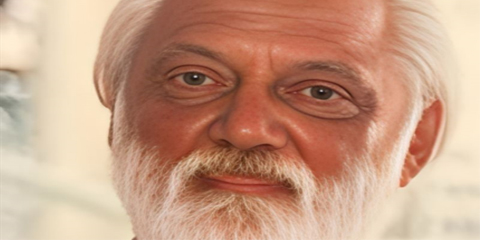
Imtiaz Sipra (1938-2001)
White hair flying with the first touch of air, drooping moustache pure silver with a touch of brown in the middle - brown due to burnt hair because of excessive smoking, Imtiaz Sipra was a phenomenal writer.
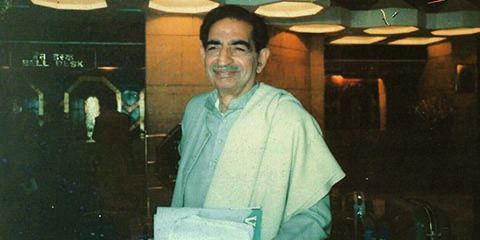
Mazhar Ali Khan (1918-1993)
Mazhar Ali Khan served as the Editor-in-Chief of the newspapers Pakistan Times from 1951 to 1959, Dawn in 1972, and the journal Viewpoint. He graduated from the Punjab University in Lahore in 1939

Inam Aziz (-1993
Inam Aziz was one of Pakistan's best known journalists who began his long career in the profession with an Urdu daily in Lahore soon after independence. He worked in Peshawar for another newspaper
Majeed Lahori (1913-1957)
Majeed Lahori, born Abdul Majid Chohan in 1913 in Gujrat, was truly a people's columnist, according to Khalid Hasan, adding what he wrote remains as delightful today as it was then.
Newsroom

Pele to Messi: How World Cup finals wrote football's greatest story
June 15, 2026 From Pele to Messi, World Cup finals shaped football's global story, tracing triumphs and heartbreaks and showing how the game became a shared language.
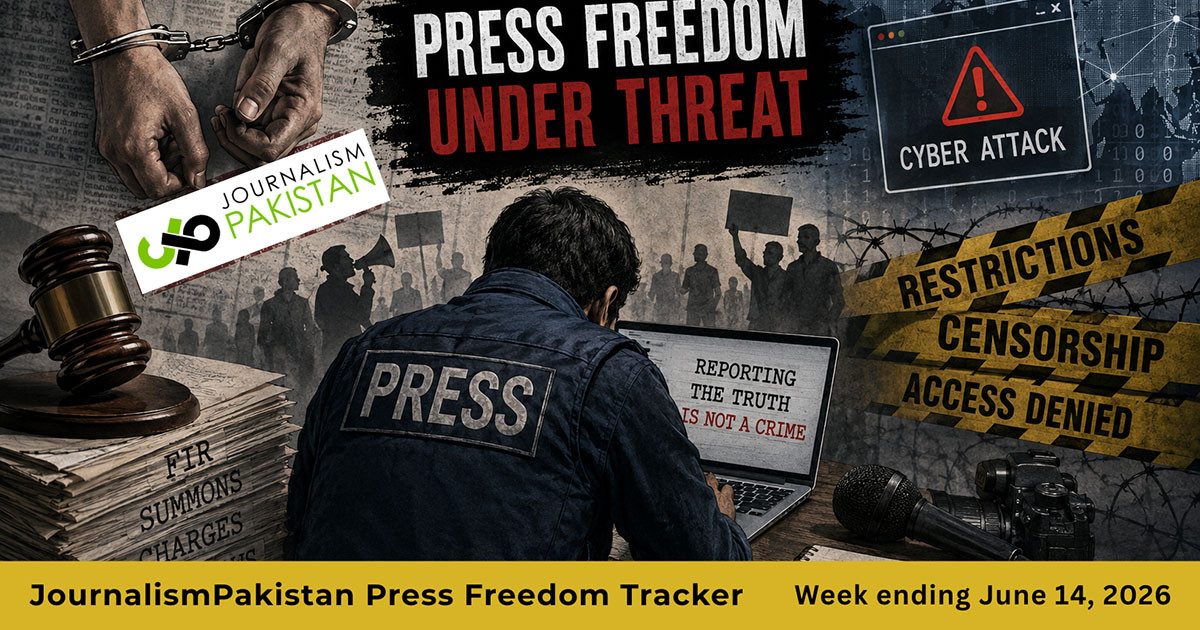
Press freedom review: From jail cells to cyberspace, threats to journalists multiply
June 14, 2026 Press freedom faces mounting challenges worldwide as journalists confront arrests, legal pressure, cyberattacks, online harassment, deportations, and reporting restrictions across multiple countries.
The right to know: Comparing access-to-information laws across Asia
June 14, 2026 Across Asia, RTI laws range from effective tools for journalism and accountability to paper laws weakened by bureaucracy, broad exemptions and poor enforcement.

Open-Source Intelligence (OSINT): How journalists verify information in the digital age
June 14, 2026 OSINT helps journalists verify social media, photos, videos, maps and public records to improve reporting accuracy and detect misinformation.
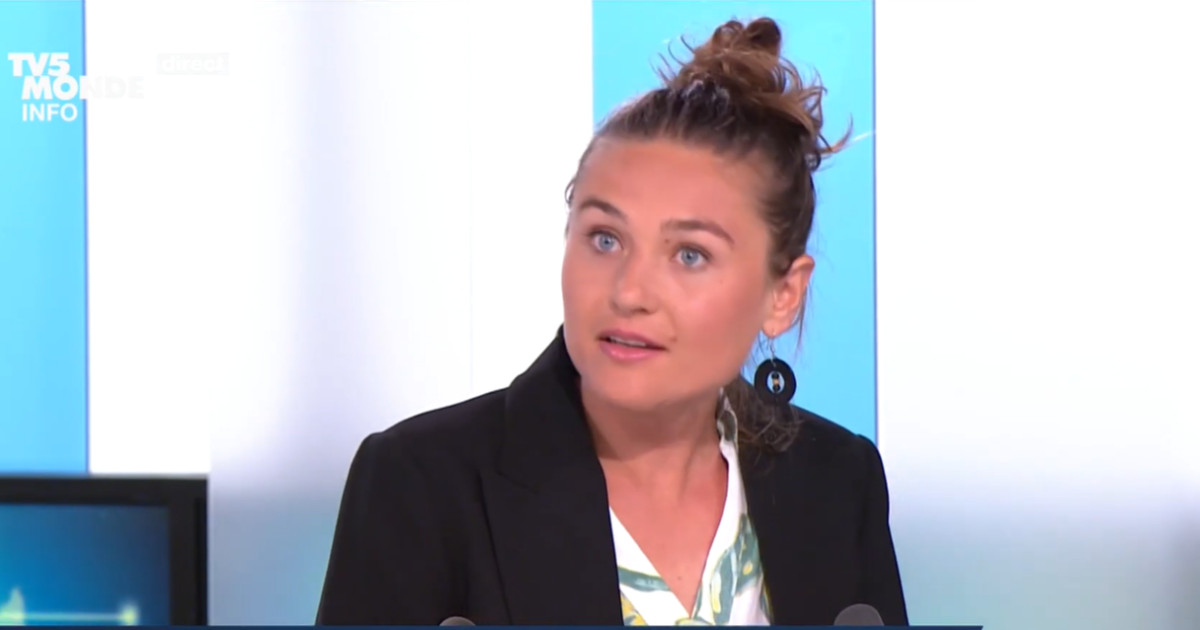
Ethiopia expels French journalist after Tigray reporting
June 13, 2026 Ethiopia expelled French reporter A. Passilly after Tigray reporting, drawing criticism from press groups as retaliatory and damaging to press freedom.
Popular Stories

Why publishers want AI companies to pay
Jun 06, 2026