.png)
Cybercrime probes deepen pressure on Pakistan journalists
JournalismPakistan.com | Published: 10 August 2026 | JP Staff Report
Join our WhatsApp channel
Cybercrime investigations, repeated NCCIA notices and procedural disputes under PECA are increasingly targeting Pakistani journalists across TV, digital media and online news. Courts have intervened in several cases to examine due process and transparency concerns.Summary
ISLAMABAD — A pattern is emerging in Pakistan in which cybercrime investigations, repeated notices and procedural disputes are becoming an increasingly important part of the pressure faced by journalists, with courts intervening in several recent cases to address concerns about due process and the conduct of investigations.
The developments involve journalists working across television, digital commentary and online news, and have brought renewed attention to the use of the Prevention of Electronic Crimes Act (PECA) and the National Cyber Crime Investigation Agency (NCCIA) in cases involving journalism and online speech. The cases do not establish that the journalists committed offences, and the allegations in the proceedings remain matters for the relevant authorities and courts to determine.
The latest developments follow a cluster of cases recorded in JournalismPakistan’s Press Freedom Tracker published on August 9, which identified legal and regulatory pressure as one of the principal challenges facing journalism in Pakistan. The Tracker documented NCCIA notices to journalists, court proceedings and wider concerns over the application of cybercrime laws to media professionals.
Recent cases
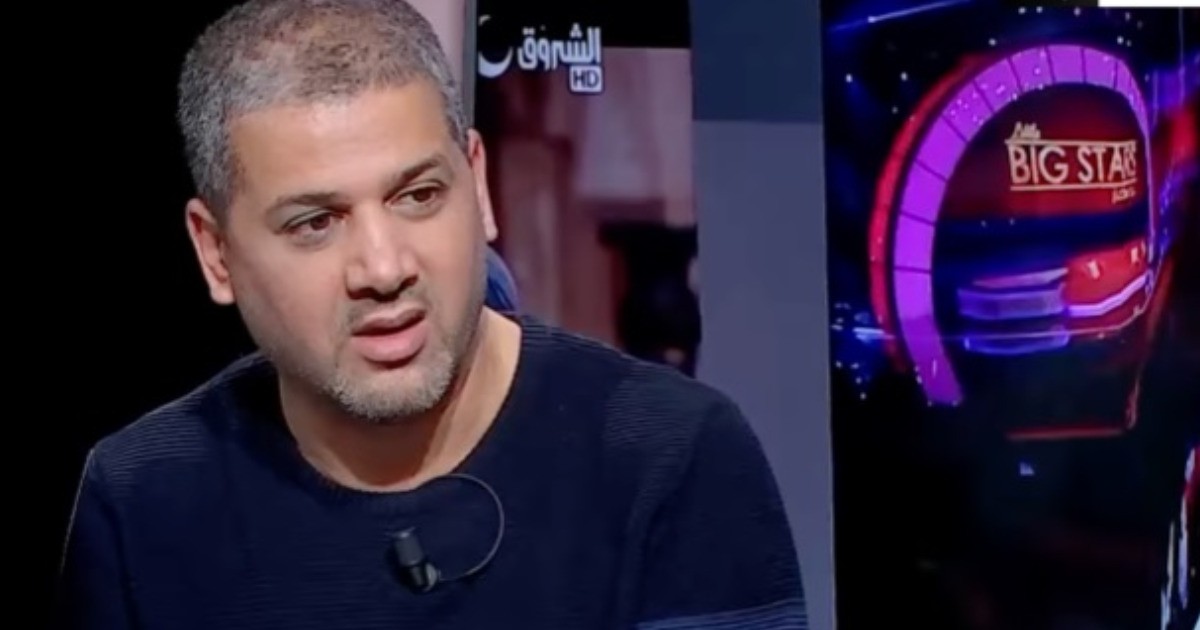
On August 4, JournalismPakistan reported that journalists Azaz Syed and Asad Toor had publicly questioned the manner in which NCCIA notices were issued to them. Syed said he received two notices within two days and that neither contained clear allegations, while Toor said two notices were served on him within a few hours and gave him what he described as a very short period to respond. JournalismPakistan said it had not independently verified Toor’s claim that an earlier written defence was not accepted by an investigating officer.
The cases involved different underlying matters, and the journalists' accounts should therefore not be treated as evidence that the NCCIA followed an identical procedure in both cases. What connects them is the concern they raised about the clarity of allegations and the time available to prepare a response.
Toor’s case subsequently moved before the Islamabad High Court. The NCCIA had summoned him on July 29 for an inquiry into the alleged dissemination, transmission or public exhibition of false or fake information under Section 26A of PECA. The notice directed him to appear on July 31.
Court intervention
On August 6, the Islamabad High Court directed the NCCIA not to harass Toor while the inquiry continues. Justice Khadim Hussain Soomro also summoned the investigating officer in his personal capacity.
During the hearing, Toor’s lawyer said the journalist was willing to cooperate with the inquiry but feared arrest. The court asked which particular report had been identified as false, and the lawyer said the inquiry concerned a report about the medical condition of former prime minister and Pakistan Tehreek-e-Insaf founder Imran Khan. The court had previously directed the NCCIA to provide details of the allegations after Toor challenged the notice.
The court’s intervention does not determine the merits of the underlying allegation. Instead, it highlights a separate issue at the heart of the recent cases: whether journalists facing investigation are given sufficient information about the allegations and a meaningful opportunity to respond.
A second case involving journalist Imran Shafqat has raised another procedural question. The Lahore High Court restrained NCCIA Multan from taking disciplinary action against Shafqat while considering his petition challenging the agency’s territorial jurisdiction. His legal team argues that the Multan office acted beyond its notified territorial limits in initiating proceedings against a Lahore resident. Those claims have not been independently verified by JournalismPakistan.
Shafqat subsequently submitted a written response through his lawyers, maintaining the jurisdictional objection and arguing that his news reporting, analysis and commentary were constitutionally protected. The Lahore High Court has scheduled further proceedings for August 12.
What Section 26A changed
The legal backdrop to the cases is the Prevention of Electronic Crimes (Amendment) Act, 2025, which inserted Section 26A into PECA and established the NCCIA as the investigation agency for offences under the law.
Section 26A criminalizes the intentional dissemination, public exhibition or transmission through an information system of information that a person knows or has reason to believe is false or fake and likely to cause fear, panic, disorder or unrest in the general public or society. The provision carries a maximum prison sentence of three years, a fine of up to Rs2 million, or both.
The provision is not limited to journalists. It is a general cybercrime provision and can apply to online users more broadly. Its relevance to journalism arises when reporting, commentary or other media content becomes the subject of an investigation under the provision.
That distinction is important. A cybercrime investigation can legitimately address unlawful online conduct, including deliberately fabricated information that meets the statutory requirements. At the same time, when the subject of an investigation is a journalist and the underlying material concerns news reporting or political commentary, the process itself can affect the ability of journalists to work, particularly if allegations are unclear or if journalists fear arrest or other coercive measures.
Due process becomes central
The recent cases therefore raise a question that goes beyond whether particular statements were accurate or inaccurate: what procedural protections should apply when journalists are investigated under cybercrime laws?
In Toor’s case, the Islamabad High Court’s intervention focused on the details of the allegation and the conduct of the inquiry. In Shafqat’s case, the dispute centers on the investigating agency’s territorial jurisdiction. In the cases involving Syed and Toor reported on August 4, the journalists questioned the clarity of the notices and the time available to prepare their responses.
These are different legal questions, but together they point to the importance of procedural safeguards. A journalist cannot meaningfully answer an allegation that has not been clearly identified, while an investigation conducted by an agency without lawful jurisdiction would raise a separate legal problem.
The courts' interventions also demonstrate that the existence of an NCCIA inquiry does not necessarily mean that the agency's position will go unchallenged. Judicial review can provide an avenue for journalists to contest the legality or procedure of investigative action.
A wider press freedom concern
JournalismPakistan’s August 9 Press Freedom Tracker placed these cases within a broader picture of legal and regulatory pressure on Pakistani journalism. It recorded the NCCIA proceedings alongside new restrictions on foreign media reporting and other developments affecting journalists’ ability to work. The Tracker concluded that press freedom is shaped not only by arrests and censorship but also by the legal and administrative conditions under which journalism operates.
The cybercrime cases illustrate that point particularly clearly. None of the recent proceedings reviewed here, by themselves, establishes a new nationwide policy of targeting journalists. Nor do they establish that every NCCIA investigation involving a journalist is illegitimate.
But the accumulation of cases is significant enough to warrant scrutiny of how cybercrime legislation is being applied when the subjects are media professionals.
The issue is especially relevant because digital journalism has blurred the traditional distinction between a newspaper report, a television broadcast, a YouTube commentary and a post shared on social media. Journalists increasingly publish and distribute their work through information systems that fall directly within the reach of cybercrime legislation.
That makes clarity in the law and fairness in its enforcement particularly important.
The balance between enforcement and journalism
Pakistan has a legitimate interest in combating deliberately false information, online fraud, harassment, cybercrime and content that falls within criminal law. The NCCIA's statutory mandate includes inquiry, investigation and prosecution of offences under PECA.
The press freedom question arises when those powers intersect with legitimate journalism.
For journalists, the difference between a lawful investigation and an intimidating investigative process can depend not only on the eventual outcome of a case but also on how the process is conducted: whether allegations are specific, whether the relevant agency has jurisdiction, whether sufficient time is provided to respond, and whether courts can intervene when procedural safeguards are disputed.
The recent court proceedings suggest that these questions are already becoming part of the legal debate around journalism and cybercrime in Pakistan.
For the media community, the concern is therefore not that journalists should be exempt from laws governing online conduct. Rather, it is whether those laws are applied in a way that preserves both legitimate enforcement and the constitutional space required for journalism to function.
The hearings, including the next proceedings in Shafqat’s case and the continuing inquiry involving Toor, will provide a clearer indication of how Pakistani courts are likely to approach the intersection of cybercrime enforcement, due process and journalistic activity.
For now, the emerging pattern is clear enough to merit attention: legal pressure on journalists is increasingly taking place not only through direct restrictions on publication, but through investigative procedures whose legality, scope and safeguards are themselves becoming subjects of judicial scrutiny.
ATTRIBUTION: Reporting by JournalismPakistan. Additional context is based on publicly available court proceedings, the Prevention of Electronic Crimes (Amendment) Act, 2025, and statements published by journalists and their legal representatives.
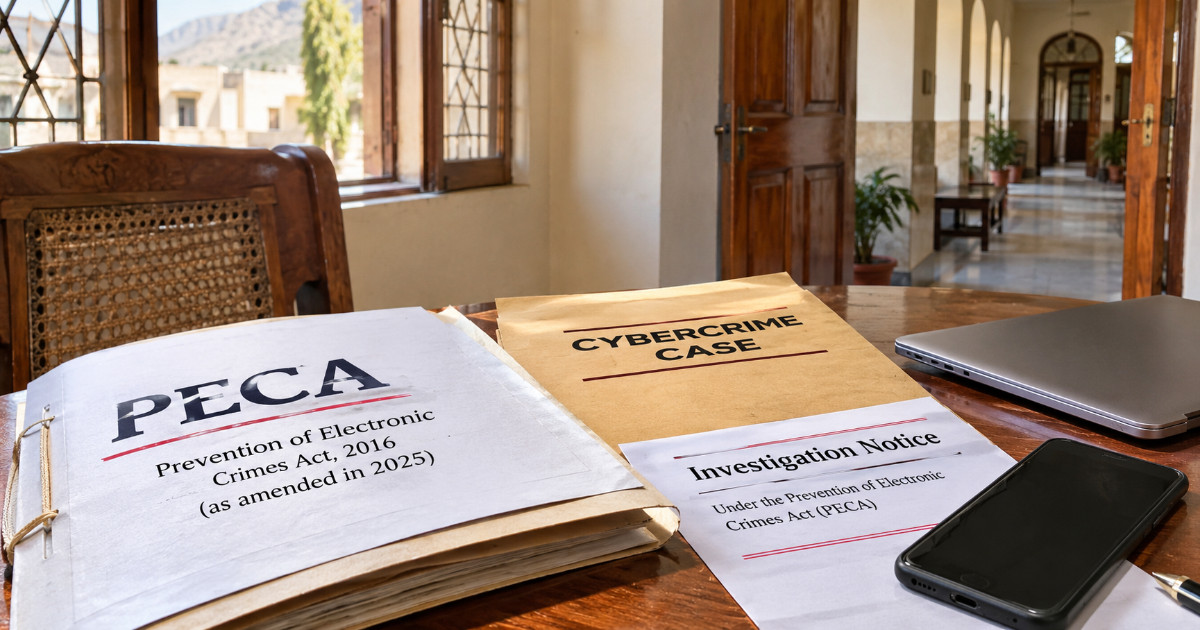
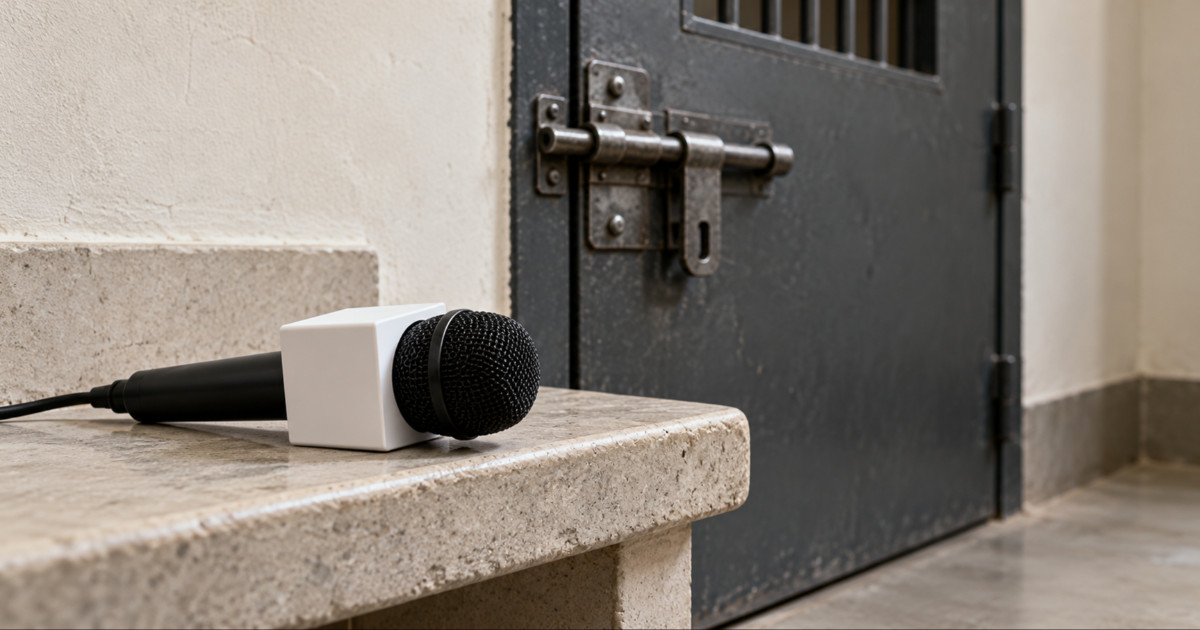
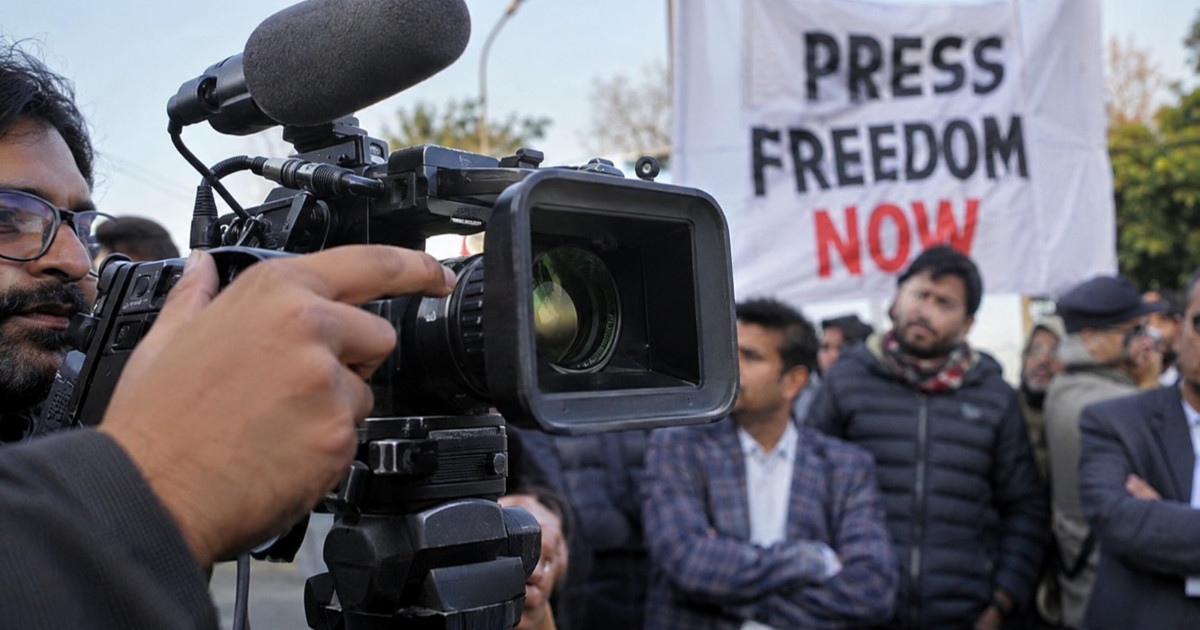
PHOTO: AI-generated; for illustrative purposes only.
Key Points
- Cybercrime investigations and repeated NCCIA notices are being used in cases involving journalists.
- Incidents affect television, digital commentary and online news platforms.
- Concerns focus on the application of PECA and the conduct of NCCIA investigations.
- Courts have stepped in to address due process and procedural fairness in several cases.
- JournalismPakistan's Press Freedom Tracker recorded multiple notices and legal actions against media professionals.
Key Questions & Answers
What trend is being reported?
Authorities are increasingly using cybercrime probes, repeated NCCIA notices and procedural measures under PECA in matters involving journalists and online speech.
Which law and agency are central to these cases?
The Prevention of Electronic Crimes Act (PECA) and the National Cyber Crime Investigation Agency (NCCIA) are central to the notices and investigations mentioned.
Have courts intervened in these matters?
Yes, courts have intervened in several recent cases to examine investigation procedures and raise concerns about due process and transparency.
Do these proceedings mean the journalists are guilty?
No. The reports state that allegations remain for authorities and courts to determine and do not establish that journalists committed offences.
Relevant Topics
Ask AI: Understand this story your way
AI EnabledDig deeper, ask anything — get instant context, background, and clarity.
Disclaimer: This feature is powered by AI and is intended to help readers explore and understand news stories more easily. While we strive for accuracy, AI-generated responses may occasionally be incomplete or reflect limitations in the underlying model. This feature does not represent the editorial views of JournalismPakistan. For our full, verified reporting, please refer to the original article.