
Nigerian broadcast regulator orders outlets to stop using Twitter
JournalismPakistan.com | Published: 9 June 2021
Join our WhatsApp channel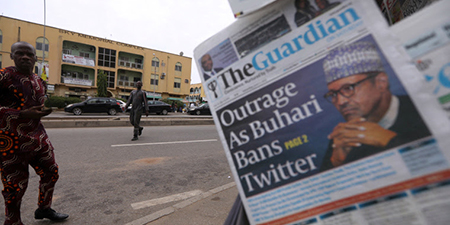
Nigerian authorities have ordered media outlets to cease using Twitter after banning the platform nationwide. This move raises concerns over press freedom and access to information in Nigeria.Summary
ABUJA—Nigerian authorities should end their suspension of Twitter’s operations in Nigeria, not threaten to punish news outlets for using the platform, and allow the press to use social media networks freely, the Committee to Protect Journalists said on Wednesday.
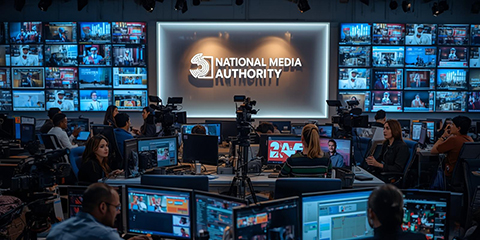
On Tuesday, the National Broadcasting Commission, the country’s broadcast regulator, issued a press release, ordering all broadcast outlets to cease publishing information on Twitter and to stop using Twitter as a news source.
Nigerian authorities ordered Twitter to be blocked throughout the country starting on June 5, according to a tweet by the company and reports by the Nigeria-based digital rights group Paradigm Initiative and the international Open Observatory of Network Interference.
The National Broadcasting Commission’s statement said it would be “unpatriotic” for Nigerian broadcasters to use Twitter in light of that blocking, and cites the country’s NBC Act and Broadcasting Code for its authority to order the broadcasters to cease using the network.
Violations of the broadcasting code are punishable with sanctions including fines and police-enforced shutdowns.
“Nigeria’s Twitter ban and authorities’ threats to sanction media outlets that use the platform signal a flagrant disregard for the public’s right to access information, and an alarming willingness to punish journalists for their work,” said Muthoki Mumo, CPJ’s sub-Saharan Africa representative, in Nairobi. “Nigeria should be working to position itself as a leader on digital rights and access to information, not demonstrating ways that governments can implement sweeping online censorship.”
On June 4, Minister of Information and Culture Lai Mohammed had announced on the ministry’s website and Twitter account that authorities would suspend Twitter’s operations in the country due to the “persistent use of the platform for activities that are capable of undermining Nigeria’s corporate existence.”
The nationwide block was implemented the following day by telecommunications operators following orders from the Nigerian Communications Commission, the country’s communications regulator, according to commission spokesperson Henry Nkemadu, who spoke to CPJ by phone, and news reports.
On June 6, Attorney General Abubakar Malami threatened to prosecute people who continued to use Twitter, but did not specify which laws or punishments would apply, according to a report by the privately owned Premium Times news website.
When CPJ called Malami, he requested questions be sent via messaging app. In written responses to CPJ’s questions sent via messaging app, Malami said, “Nigeria respects the fundamental rights to free speech” but such freedom “has never been absolute, unqualified and unrestrained.”
In response to CPJ’s question about why prosecutions for using Twitter are necessary, Malami said, “The essence of the law is to achieve stability in the country” and prosecution “will serve as a deterrence to others.”
CPJ also emailed the National Broadcasting Commission, sent questions to the Ministry Information and Culture through its website, and sent questions to Lai Mohammed via messaging app, but did not receive any replies.
Nick Pickles, Twitter’s head of public policy strategy, development, and partnerships, responded to CPJ’s emailed request for comment by forwarding the company’s tweet condemning the blockage.
CPJ has previously documented Nigerian authorities’ efforts to control journalism published online through prosecution of journalists under the country’s cybercrime act. Separately, Nigeria’s National Assembly is considering a new social media bill that journalists told CPJ would restrict press freedom.
Foreign Affairs Minister Geoffrey Onyeama met with Twitter representatives and said access would be restored if the platform could be used “responsibly,” according to reports.
On June 2, Twitter removed a tweet by Nigerian President Muhammadu Buhari for allegedly violating the social network’s rules by threatening to punish those “bent on destroying Nigeria through insurrection,” according to news reports.
On June 5, presidential spokesperson Garba Shehu called the blocking a “temporary suspension” and said it was “not just a response to the removal of the President’s post. There has been a litany of problems with the social media platform in Nigeria,” according to news reports.
Paradigm Initiative has published a guide to circumventing internet censorship using virtual private networking software (VPNs) or the Tor Browser; CPJ’s digital safety kit offers similar information.— A CPJ News Alert/Photo: Reuters
KEY POINTS:
- Nigerian authorities ordered a Twitter ban starting June 5.
- The National Broadcasting Commission prohibited broadcasters from using Twitter.
- Violations could lead to fines or shutdowns for media outlets.
- CPJ condemns the actions as a threat to press freedom.
- A new social media bill is under consideration by Nigeria's National Assembly.