
IFJ conference agrees to stand up against hate speech
JournalismPakistan.com | Published: 25 April 2014
Join our WhatsApp channel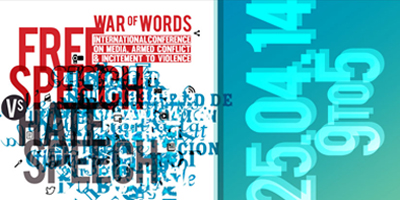
During a recent IFJ conference in Brussels, participants reiterated their commitment to combat hate speech in media. They stressed the importance of ethical journalism and professional independence in reporting.Summary
BRUSSELS: The participants of a high profile conference on 'Media, Armed Conflict and Hate Speech' on April 25 in Brussels, organized by the International Federation of Journalists (IFJ) agreed to the following declaration:
Brussels Declaration
Incitement to hate and violence through media
The participants at the International conference on media, armed conflict and hate speech, organised in Brussels by the International Federation of Journalists, with the participation of Communication and Information Sector of UNESCO,
Guided by the main mission of journalism to be a force for good and to serve the public interest by reporting the truth, in total independence and with a sense of responsibility;
Recalling the role of media in the genocide against Tutsi in Rwanda, especially the infamous Radio Télévision Libre des Mille Collines (RTLM) which broadcast lists of people to be killed and instructed the killers where to find them;
Honouring the memory of all the victims, including many journalists, of that genocide, the most serious crime of concern to the international community;
Expressing concern that media has since been used to stoke up hatred and incite violence among communities in other conflict situations on the African continent and beyond, leading to loss of lives;
Acknowledging that hate speech thrives in times of wars where media are most exposed to pressure to take sides on account of patriotism and nationalism;
Reaffirming the need for high standards in reporting politically sensitive matters to avoid bias, prejudice and manipulation;
Welcoming contributions by journalists and their unions to improve the quality of information for sensitive reporting by producing guidelines and best practices for the benefit of journalists;
Mindful of opportunities the digital era provides for easy access to – and wider reach in disseminating- information using new media, including the ability to create and post online hate content often anonymously;
Calling on journalists at national and international level to join together to reassert the core journalistic principles of professional independence and respect for the truth, and promote professional solidarity, high ethical standards and the right to resolve ethical dilemmas according to conscience;
Urging journalists’ unions to reaffirm editorial independence and their right to report free from pressure;
Stressing that such freedom should be balanced against the protection of the right and freedom of others;
Agree to recommend to journalists and their unions to:
- Stand up for the principles and ethics of responsible journalism at all times;
- Commit to fighting incitement to hate and violence in media and to denouncing it wherever and whenever it happens as a matter of principle, and ensure that their members are made aware of codes and guidelines as well as their use in resolving ethical dilemmas;
- Promote higher standards in journalism through education and training, putting an emphasis on the importance of words;
- Further promote better working conditions for journalists to increase their independence and commitment to their profession;
- Urging media to be aware of the potentially self-serving rhetoric used by those parties with a vested interest in influencing public opinion in order to justify racist acts or even war;
- Encourage diversity in media and solidarity among journalists and their organisations at the country, regional and global level in order to oppose attempts to use media for the purpose of inciting hate and violence;
- Support the use of online media in a way which seeks to prevent the abuse of these platforms to foment violence and divisions based on hate speech.
Image courtesy: ifj.org
KEY POINTS:
- Conference held by IFJ focused on media and hate speech.
- Participants adopted the Brussels Declaration to combat hate and violence.
- Emphasis on ethical standards and professional solidarity in journalism.