
Behind the scenes: The unsung story of sub-editors in newsrooms
JournalismPakistan.com | Published: 19 May 2012 | Daud Malik
Join our WhatsApp channel
The article argues that sub-editors in Pakistan are increasingly overlooked, underpaid and treated as a burden despite their role as the final gatekeepers before publication or broadcast. It links declining editing standards to low recognition and limited professional development, and proposes reforms to support desk staff.Summary
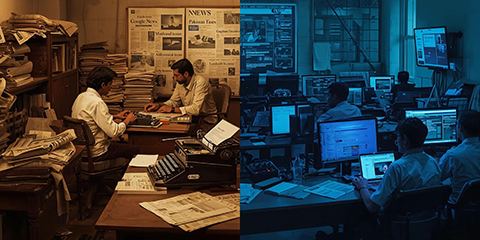
Sub-Editors are an endangered species in Pakistan. They are fast disappearing. So much so that today many, including some ‘senior journalists’, question if Sub-Editors are journalists or not. It is one of the latent tragedies of journalism in this country. In the days gone by subs were respected for their work. But somehow over the years they have been forgotten.
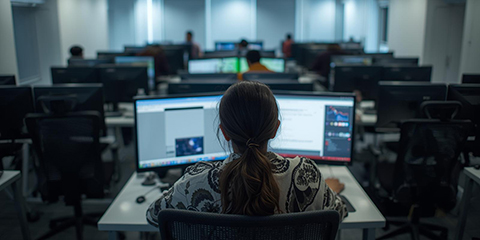
Nowadays they are taken as necessary burden in the print and electronic media. The work of those tasked to correct copy before it goes to the printers and check the report before it hits the airwaves is vital. They are the last hurdle before everything written or caught on camera is made public. But unfortunately the people working on the desk never get the recognition they deserve.
Each day they are to cut on flab that comes with almost every report and meet deadlines at ungodly hours. Looking at the newspapers, it can be said that every day they prepare a book and get it published! But for all this overworked labor they are ignored and underpaid. They seldom get the attention and importance the reporters enjoy.
Even when one looks at the courses, seminars, and workshops organized by the ‘civil society’ for journalists, they all revolve around ‘reporters’. Very few make an effort to reach out to the people on the desk. The same is the case with awards. Reporters get awards for their stories.
But no one has developed any criterion to judge the work of the ‘backroom boys’, the men behind the gun. This has also affected their work. The lament that the editing standards have gone down is common these days and not very far from reality.
Mainly because editing is not taken as a worthwhile profession, especially in a country like Pakistan where one good at words is not given the respect they deserve. But the fact remains that the role of the people on the desk remains pivotal. Though journalism is literature written in haste, the people tasked to make it less hurried need greater care, recognition and opportunities to grow.
Leaving exceptions aside, there are almost no opportunities for the subs to improve their trade. Whatever they learn, good or bad, they do that on the desk – that is on the job. As it becomes a daily exercise to pick holes in the stories filed by reporters, the subs get lost in the ‘comfort zone’. They know the reporters’ mistakes, and how to correct them.
They seldom make an effort to learn and become experts in the language in which they are to make corrections. The ones who are good normally get out of the ‘desk jail’ and become reporters or join the ‘development world’. There are a number of things that can be done to improve the quality of the desk work. First is to provide more rest to people on the desk.
They definitely need two weekly off days to compensate for the ungodly duty hours. It will allow them a chance to bridge the gap of living socially apart from the rest of the world. And above all they need permanent and better paid jobs so that they could concentrate on the work fresh, without looking for more work in the day to add to their incomes.
The managements may asses the quality of subs’ work and see what kind of help they need – from looking for opportunities (courses/studies) to help improve their quality. More importantly it will be a good idea if the major newspapers send the subs to work on the desks of the newspapers in other countries.
This will allow subs to observe firsthand how the news industry is evolving and where do they fit in, in the ever changing facets of journalism. Is it asking for too much? Perhaps. Looking at the lesser role of the subs’ in journalism in Pakistan, talking about these changes may be likened to daydreaming.
But for a change to happen, you have to be an idealist first. (Daud Malik is a senior journalist who has worked for The News and Dawn)
KEY POINTS:
- Sub-editors are described as fast disappearing from Pakistan’s newsrooms despite their critical role in correcting and shaping copy.
- The piece says desk staff are underpaid, overworked and rarely recognized through trainings or awards compared with reporters.
- It connects reduced status and limited growth opportunities to a decline in editing standards.
- Recommended steps include two weekly off days, permanent better-paid jobs, management evaluation and professional training.
- It suggests international desk placements to expose sub-editors to evolving newsroom practices.