
A touching visit to the Newseum
JournalismPakistan.com | Published: 28 July 2012 | Qazi Asif
Join our WhatsApp channel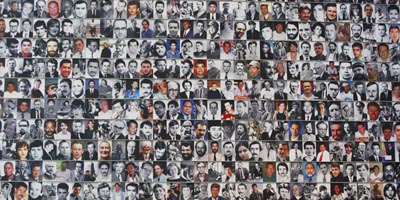
The article reflects on Pakistan’s high toll of journalists killed while working and the lack of a local memorial. During a visit to Washington DC’s Newseum, the writer finds a detailed tribute listing Pakistani journalists among those honored worldwide.Summary
KARACHI: In 2010 no fewer than 11 journalists were killed in Pakistan in the line of duty, more than any other country. This year again, six Pakistani journalists have already lost their lives, once more making it the most dangerous country for the print and electronic media in the world.
Enquiry commissions are frequently and routinely formed to look into the causes and circumstances leading to the death of our fellow journalists and colleagues who had families and dreams just like anybody else. Yet nothing ever seems to come of these commissions and their probes.
New events and developments overtake the loss of these brave journalists and soon they are forgotten and relegated to research references and vague online forums. We do not even have any kind of memorial to honor their selfless commitment in laying down their lives in the line of duty; just words, when convenient.
So, just try to imagine my emotions and surprise when I happened to visit the Newseum in Washington DC to discover it features an inspiring memorial that honors more than 2,150 reporters, photographers, editors, broadcasters and cameramen from all over the world who were killed while performing their duty.
But what really caught me by surprise was that the Newseum had a meticulously researched record of all Pakistani journalists to have lost their lives while at work.
Along with a brief bio and photograph entries also detailed the circumstances of their deaths. http://www.youtube.com/watch?v=ldKHLBjEbO8 A wave of sadness swept over me as I surveyed the pictures and brief histories of Saleem Shahzad, Wali Khan Babar of Geo, Munir Sangi of KTN, Aijaz Raisani of Samaa TV, Ashiq Ali Mangi of Mehran TV and Ghulam Rasool Berhmani, a reporter of the Sindhi daily Sindho.
There were other names too. I was touched to the core of my heart. I had not expected to find such reverence for my fallen colleagues here… at the Newseum in DC. The Newseum is located near the Canadian Embassy on Pennsylvania Avenue. On the way up to the sixth floor in one of the glass express elevators, I could see Capitol Hill and beyond. It was a breathtaking view.
I quickly learned in an orientation briefing in the concourse that the Newseum preserves almost 500 years of global journalism and media history on each of its seven levels. The memorial is on Level 3. It is an awe-inspiring two-story tall glass wall featuring photographs and brief details of fallen journalists. There is also a sobering reminder that journalists face danger in their line of work every day.
Some are targeted deliberately, while others are simply in the wrong place at the wrong time. They often take calculated risks and sometimes pay for such actions with their lives. Standing in front of this wall, I was totally mesmerized, transported to the events and places where these colleagues had laid down their lives. It was a humbling experience.
I salute all those journalists as it is because of their sacrifices that media continues its honorable path of truth. These were truth seekers. I appreciated the commitment of these journalists who were now part of history. In some places photographs of journalists were missing but their names and history were available.
I would think that journalists’ organizations in Pakistan should be obligated to provide photographs of journalists to the Newseum of all Pakistani journalists who have lost their lives in the line of duty.
In my opinion, the memorial is not only a wall but a mirror reflecting the great deeds of these men and women and also a point of contemplation for those that failed to provide proper protection and respect for the lives of journalists killed while performing their duties.
A slew of questions have haunted me since, foremost amongst them the torturous doubt about just how many killers of journalists have been arrested or convicted. Food for thought. (The writer is a journalist and electronic media trainer associated with Waqt TV)
KEY POINTS:
- Pakistan recorded 11 journalist deaths in 2010 and six more deaths reported in the year referenced.
- The writer notes enquiry commissions are formed but rarely lead to visible outcomes.
- The Newseum memorial honors more than 2,150 journalists killed in the line of duty worldwide.
- The museum includes researched entries on Pakistani journalists, with photos, bios and circumstances of death.
- Named journalists include Saleem Shahzad, Wali Khan Babar, Munir Sangi, Aijaz Raisani, Ashiq Ali Mangi and Ghulam Rasool Berhmani.