
Sohail Warriach urges Imran Khan to strike deal with establishment, warns of Bhutto-like fate
JournalismPakistan.com | Published: 17 August 2025 | Daud Malik
Join our WhatsApp channel
Sohail Warriach has urged Imran Khan to negotiate with the establishment for his freedom as his life may be at risk. Drawing parallels to Bhutto's fate, he emphasizes the importance of political compromise.Summary
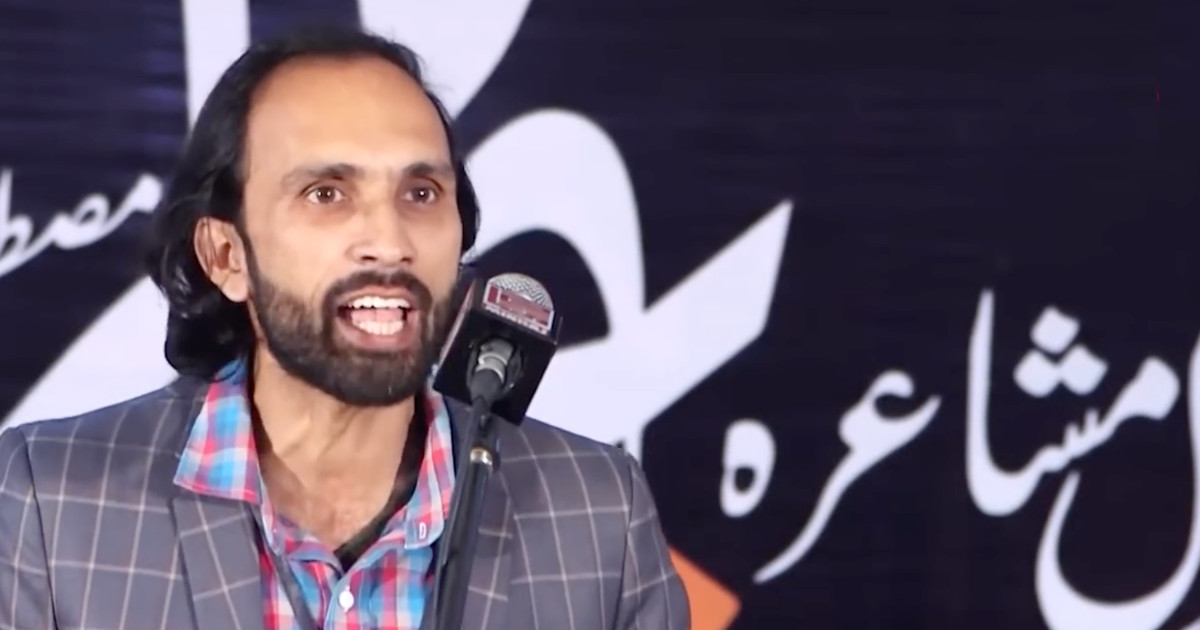
ISLAMABAD—Senior columnist Sohail Warriach (pictured) on Sunday advised incarcerated former Prime Minister Imran Khan to strike a deal with the establishment, secure his release from jail, remain silent, and let the current government function until the next general elections.
In his column titled “Musafir banam qaidi number 804”, Warriach appeared to warn Imran Khan that his life could be in danger if he refused to reconcile with the establishment. He drew parallels with the late Prime Minister Zulfikar Ali Bhutto, who rose to power in 1971 with the military’s backing but was ousted in 1977 and executed in 1979.
“When Zulfikar Ali Bhutto came to power, he was summoned to GHQ and not only made Martial Law Administrator but also crowned as President. At that time, he was the establishment’s favored leader. However, when he was ousted from power in 1977, he became a pariah,” Warriach wrote.
This is Warriach’s second column addressing Imran Khan’s incarceration. In an earlier piece—where he claimed to have met Army Chief General Asim Munir for two hours—he suggested that Imran Khan could secure freedom through a “sincere apology” to the establishment.
Warriach once again urged the PTI chief to accept political compromise. “Dear Prisoner Ji! You often used to say that U-turns are a good thing—so why not take one now for the sake of national stability? Observe a vow of silence until the next elections, and focus all your energy on ensuring their transparency. This deal would be acceptable to all: the government would get a free hand, the establishment’s doubts would be dispelled, and PTI would not only secure the release of its leader but also gain a free hand to operate within Parliament.”
The column framed PTI supporters as working against Imran Khan’s interests, stressing that political popularity is irrelevant before the establishment’s supremacy. While Warriach insisted he did not want a repeat of the Bhutto tragedy, his piece closed on an ominous note.
“Dear Prisoner Jan! Those who appear to be your supporters are playing the role of Tara Masih right now. Open your eyes and learn to distinguish between friend and foe. Anyone or any condition that stands in the way of your release is your enemy, and anyone or any condition that seeks to secure your freedom is your sincere friend. History is knocking at your door. The decision is yours to make.”
In Pakistani political discourse, “Tara Masih” is invoked symbolically. The executioner who hanged Bhutto in 1979 has become a metaphor for betrayal, especially by those who seem loyal but act against a leader’s survival.
Key Points
- Sohail Warriach warns Imran Khan to negotiate for his release.
- He compares Khan's situation to Bhutto's tragic fate.
- Warriach suggests a political compromise for stability.
- He emphasizes the necessity of remaining silent until elections.
- The column portrays PTI supporters as potentially harmful to Khan's interests.
Relevant Topics
Ask AI: Understand this story your way
AI EnabledDig deeper, ask anything — get instant context, background, and clarity.
Disclaimer: This feature is powered by AI and is intended to help readers explore and understand news stories more easily. While we strive for accuracy, AI-generated responses may occasionally be incomplete or reflect limitations in the underlying model. This feature does not represent the editorial views of JournalismPakistan. For our full, verified reporting, please refer to the original article.