.png)
PFUJ, IFJ urge ethical reporting on gender violence
JournalismPakistan.com | Published: 23 September 2026 | JP Staff Report
Join our WhatsApp channel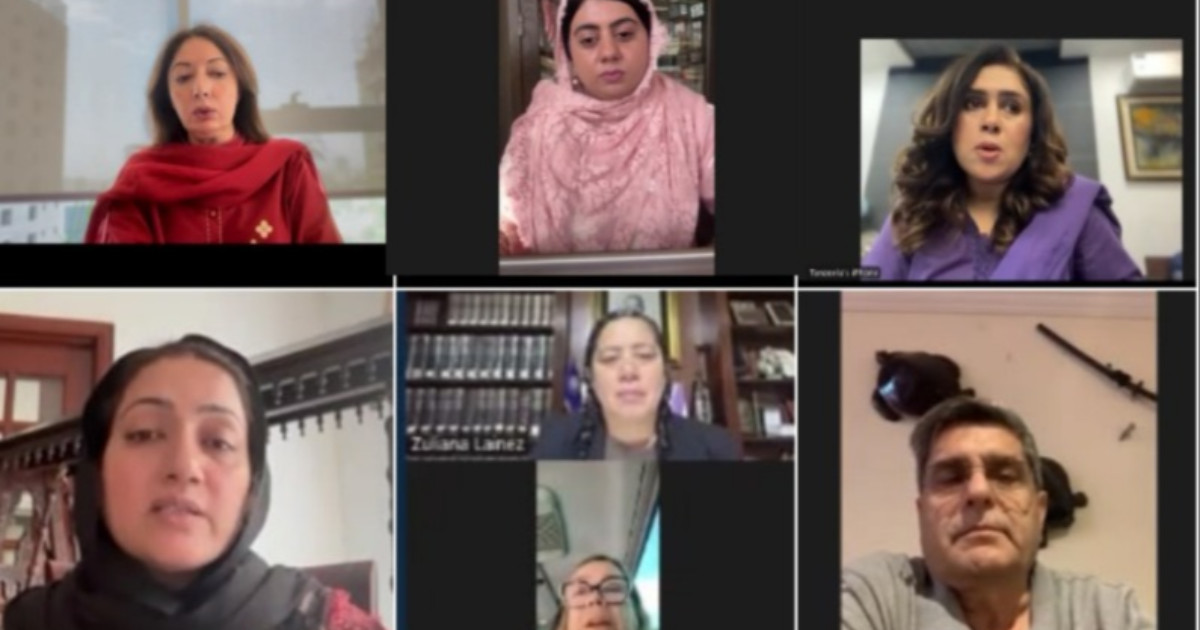
PFUJ and IFJ convened an online session on rising gender-based violence with lawmakers, journalists and advocates, urging media to protect victims' privacy and dignity, avoid sensationalism and victim-blaming, and back awareness and newsroom safety.Summary
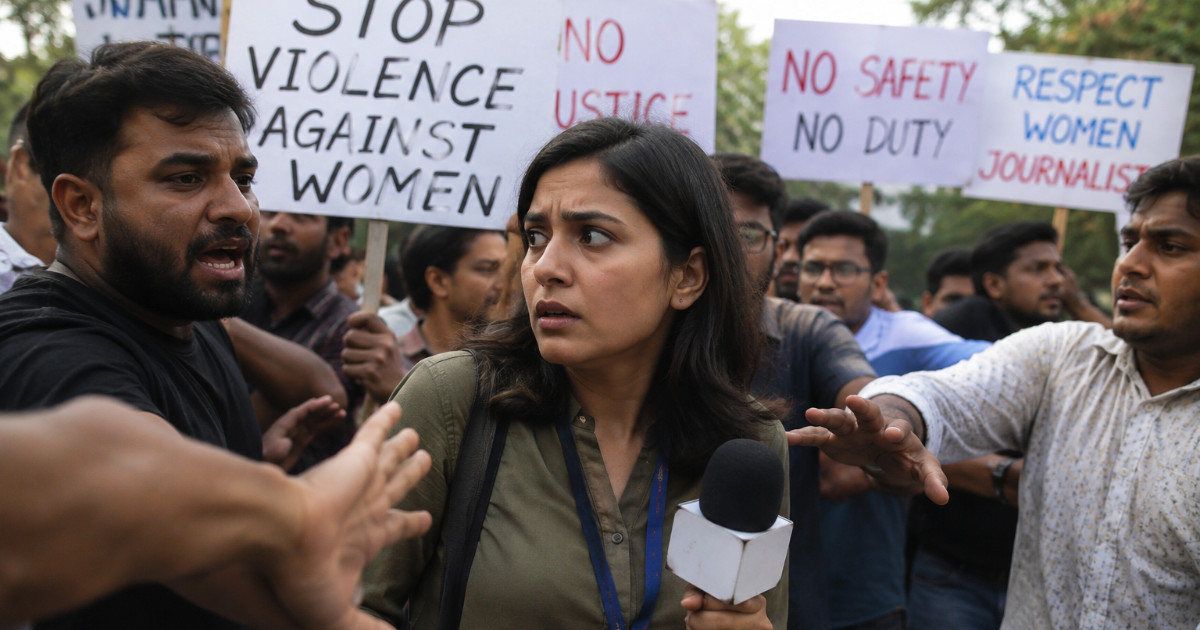
ISLAMABAD — The Pakistan Federal Union of Journalists and the International Federation of Journalists have urged media organizations and journalists' unions to strengthen ethical, privacy-conscious reporting of gender-based violence, warning that sensationalism and victim-blaming can compound the harm suffered by women.
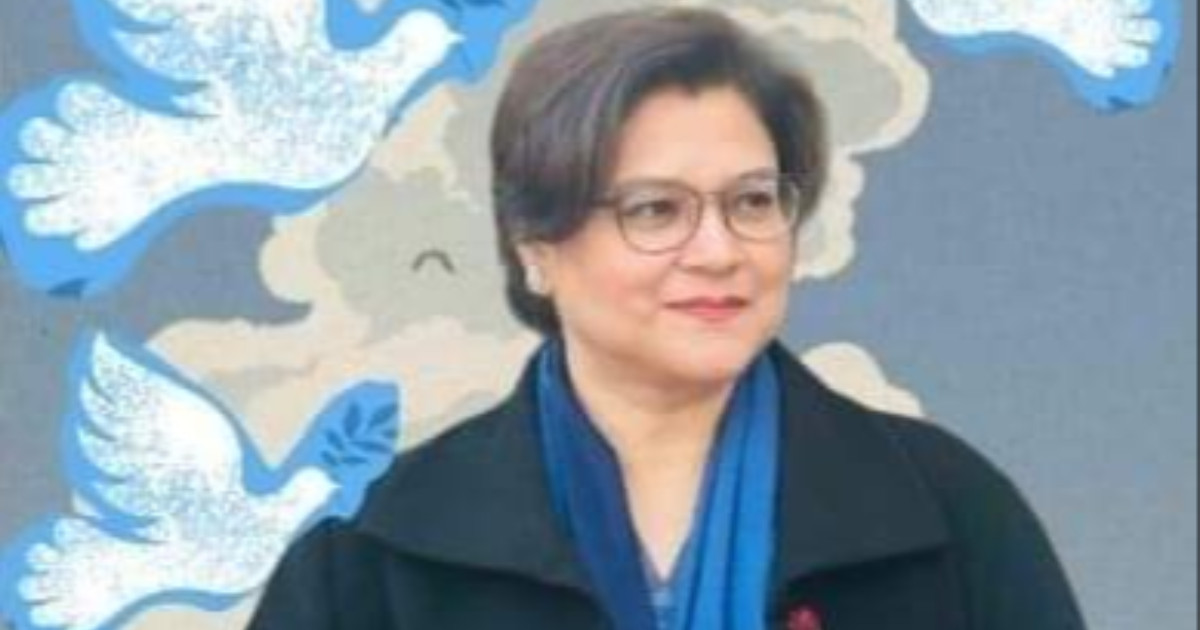
The call came during an online session titled "Rising Gender-Based Violence and the Responsible Role of Media and Unions in its Reporting." The discussion brought together lawmakers, journalists, union representatives, women's rights advocates and IFJ leaders, including IFJ President Zuliana Lainez Otero.
Privacy and dignity must guide coverage
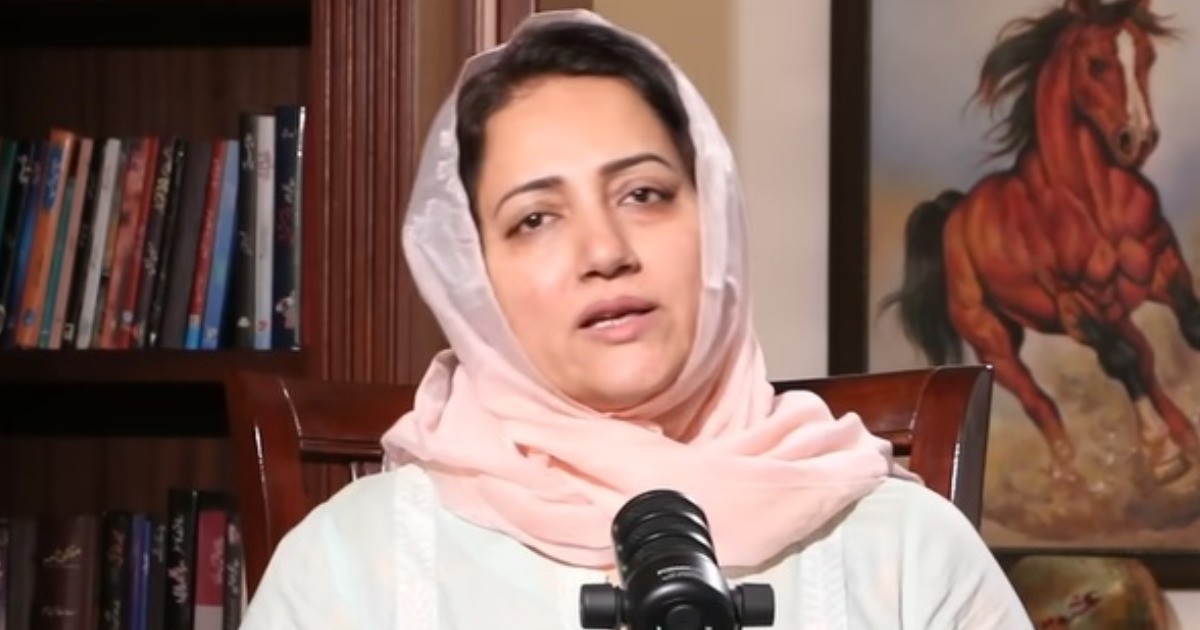
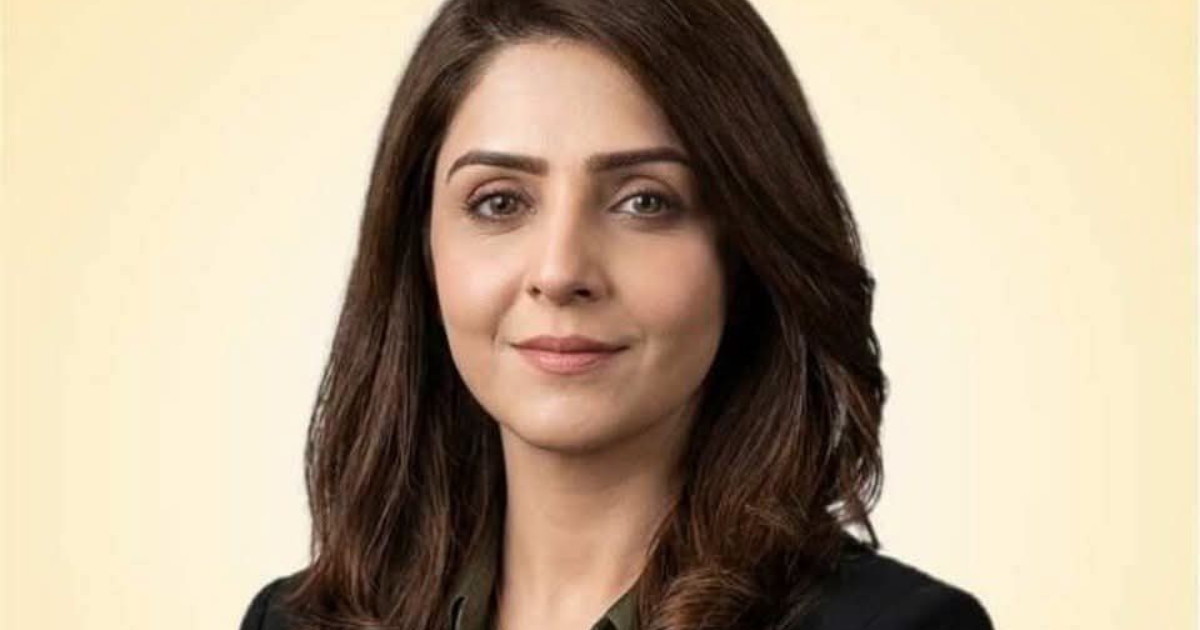
Pakistan Peoples Party lawmaker Sharmila Faruqui said gender-based violence must be treated as a human rights issue rather than solely as a women's concern. Drawing on her work on domestic violence legislation, she said social reluctance to discuss abuse remained an obstacle and stressed that violence could be physical, psychological or online. She called on PFUJ and IFJ to support a broader public awareness campaign.
Jamaat-e-Islami leader Dr. Samia Raheel Qazi said violence against a woman harmed families and future generations, and urged journalists to report with empathy without humiliating survivors. Senior journalist and anchor Asma Shirazi similarly warned against sensationalism, saying the media's responsibility was to report the news while observing professional principles and giving attention to cases from across the country.
Online abuse and newsroom safety
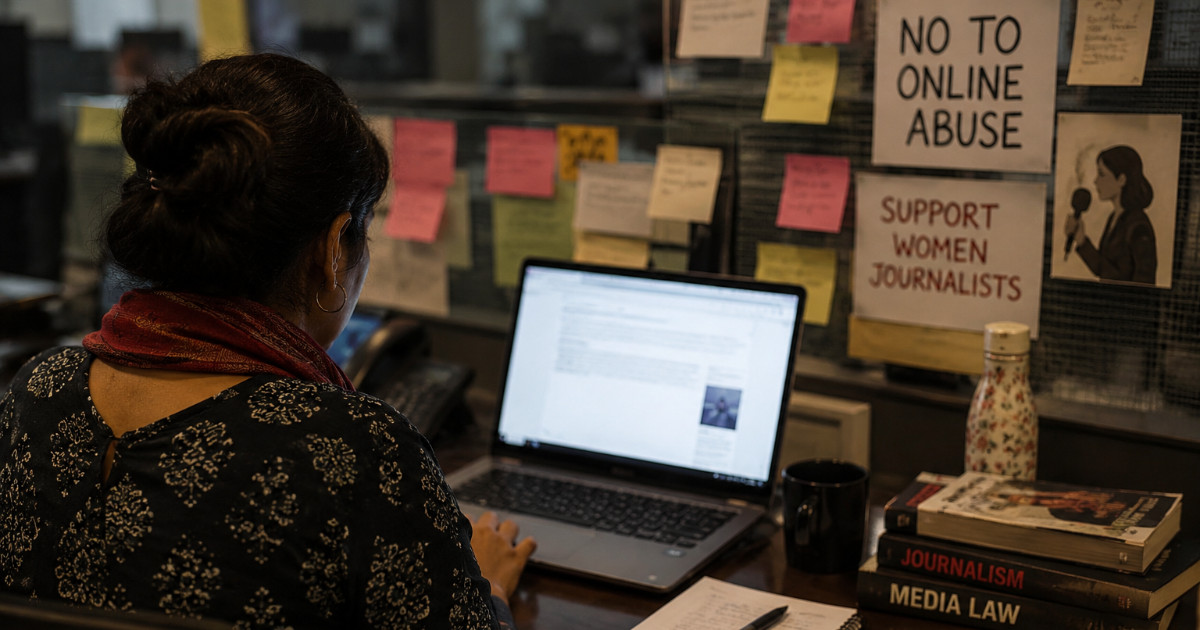
Maria Angeles Samperio, chair of the IFJ Gender Council, said protecting women journalists from harassment in newsrooms, on the streets and across social media was a priority for the council's 2026-2029 strategy. Figures from a recent council survey cited during the session showed a continuing leadership imbalance among participating unions: 78 percent of presidents were men and 22 percent were women, while 58 percent of unions had a gender committee. Samperio said the IFJ must continue pressing for greater internal equality.
Lainez's participation underlined the international federation's focus on women's representation and safety. Elected in May 2026, she is the first woman from Latin America and the Caribbean to lead the IFJ. The federation also elected a gender-balanced Executive Committee in 2026 and adopted a constitutional change requiring a 50-50 gender quota for committee elections beginning in 2029.
Dr. Sumera Shams, chairperson of the Khyber Pakhtunkhwa Commission on the Status of Women, said provincial laws were being implemented through district committees that also work on the rehabilitation of affected women and children. She urged the media to help publicize available protections and promote informed discussion. Retired Brigadier Asif Ali, founder of Nija Turtle, highlighted non-weapon self-defense training as one practical means of building confidence and preparedness among women and children.
Law, evidence and digital abuse
Barrister Maleeka Bukhari said victim-blaming often discouraged survivors from pursuing justice and warned that evidence could be lost or destroyed in domestic violence cases. She called for reporting practices aligned with international standards and greater cooperation between the media and UN Women.
Digital rights activist and Bolo Bhi Director Usama Khilji raised concerns about Pakistan's cybercrime framework. He said the Prevention of Electronic Crimes Act, introduced in 2016 and amended in 2025, had been presented partly as a mechanism to protect women and children but was also being used against journalists and people seeking justice. His comments linked online gender abuse with wider concerns about criminal defamation and notices issued to journalists by the National Cyber Crime Investigation Agency.
Dawn Deputy Bureau Chief Amir Wasim said parliamentary standing committees could help address the problem and emphasized the need to protect survivors' identities. PFUJ leader Sheher Bano and anchor Tanzeela Mazhar also called for privacy safeguards, better preparation by reporters and closer cooperation among lawmakers, journalists and international organizations.
Unions asked to turn debate into action
Karachi Union of Journalists General Secretary Lubna Jarrar said the pressure to break news often pushed human rights and women's issues to the margins. She called for training, skills development and sustained debate, along with support from international organizations. Former BBC producer Dr. Nazia Memon said factual reporting must preserve the sensitivity of each case. At the same time, Indonesian journalist Nurul Nur Azizah stressed unions' role in making workplaces safer for women.
Other participants called for accessible legal assistance, helplines, responsive policing and media training at national and provincial levels. They also emphasized that men and boys must be included in efforts to change attitudes and build environments in which women can work and live safely.
The session closed with IFJ Asia-Pacific Gender Coordinator Javeria Siddique and PFUJ Secretary General Shakeel Ahmad thanking participants. The discussion left unions and news organizations with a practical challenge: move beyond statements of concern by adopting newsroom protocols that protect survivors, train reporters, and confront harassment within the media industry itself.
ATTRIBUTION: Based on a PFUJ press release issued on September 22, 2026. Participant titles were cross-checked against official IFJ, National Assembly, and Khyber Pakhtunkhwa Commission on the Status of Women records.
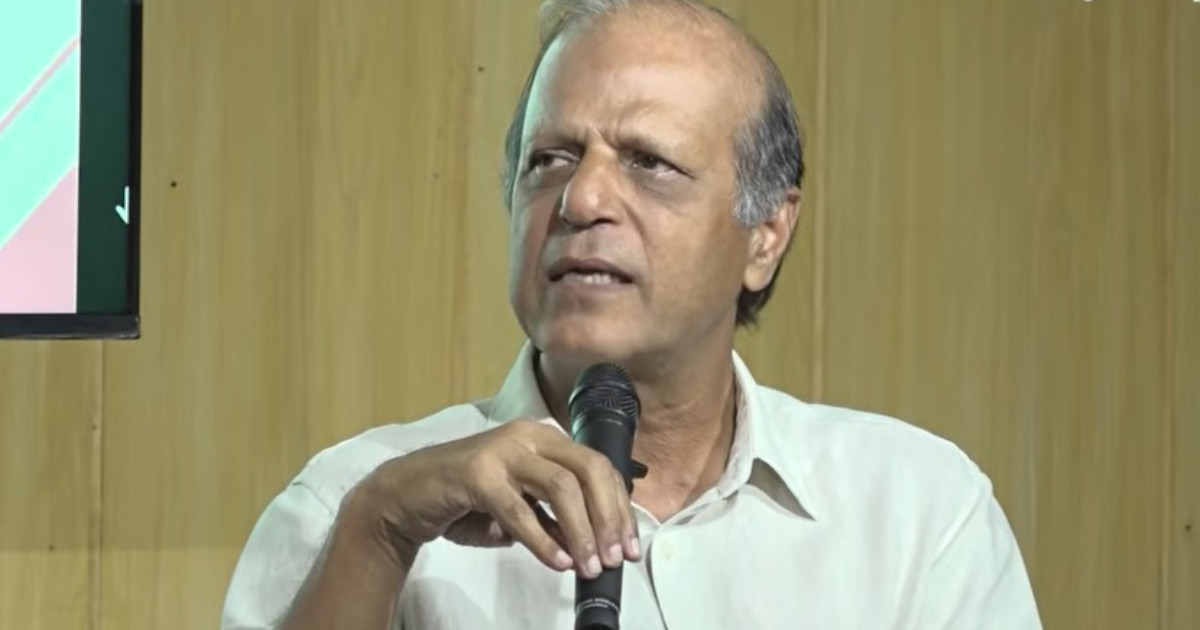
PHOTO: Provided by Javeria Siddique
Key Points
- PFUJ and IFJ held an online session with lawmakers, journalists, union representatives and women's rights advocates including IFJ President Zuliana Lainez Otero.
- Speakers urged media to use privacy-conscious, ethical reporting on gender-based violence and to avoid sensationalism and victim-blaming.
- Sharmila Faruqui emphasized treating gender-based violence as a human rights issue and called for broader public awareness campaigns.
- Asma Shirazi and Dr. Samia Raheel Qazi called for empathetic reporting that does not humiliate survivors.
- Participants raised concerns about online abuse and newsroom safety and urged unions to strengthen protections for victims and journalists.
Key Questions & Answers
What did PFUJ and IFJ call for?
They urged media and journalists' unions to adopt ethical, privacy-focused reporting on gender-based violence and to avoid sensationalism and victim-blaming.
Who took part in the discussion?
Lawmakers, journalists, union representatives, women's rights advocates and IFJ leaders, including IFJ President Zuliana Lainez Otero, joined the online session.
Why is privacy important in reporting such cases?
Protecting privacy helps preserve survivors' dignity, reduces further harm and encourages reporting without fear of stigma or humiliation.
How can unions support better reporting?
Unions can promote training on ethical coverage, advocate for safety measures in newsrooms, and back public awareness campaigns on gender-based violence.
Ask AI: Understand this story your way
AI EnabledDig deeper, ask anything — get instant context, background, and clarity.
Disclaimer: This feature is powered by AI and is intended to help readers explore and understand news stories more easily. While we strive for accuracy, AI-generated responses may occasionally be incomplete or reflect limitations in the underlying model. This feature does not represent the editorial views of JournalismPakistan. For our full, verified reporting, please refer to the original article.