.png)
Judge orders release of journalist Khalid Jameel, calls tweets historical facts not defamation
JournalismPakistan.com | Published: 23 August 2025 | JP Staff Report
Join our WhatsApp channel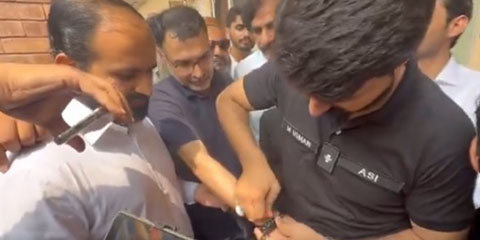
A Pakistani judge has ordered the release of journalist Khalid Jameel, emphasizing that his tweets were based on historical facts. The ruling has sparked discussions on media rights and freedom of expression in the country.Summary
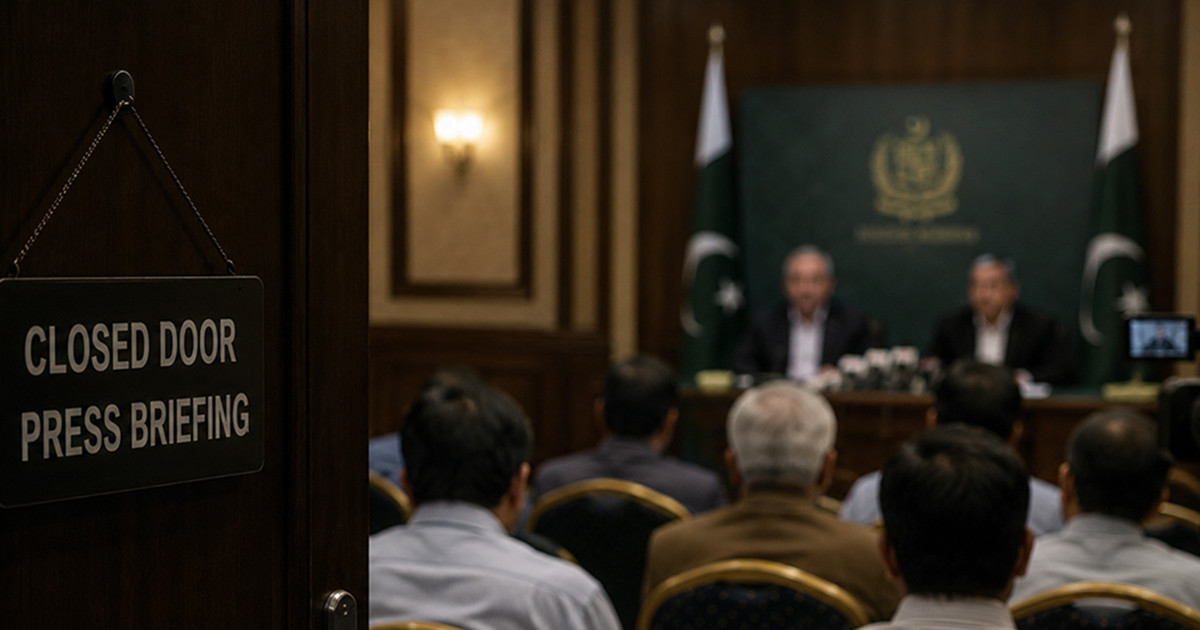
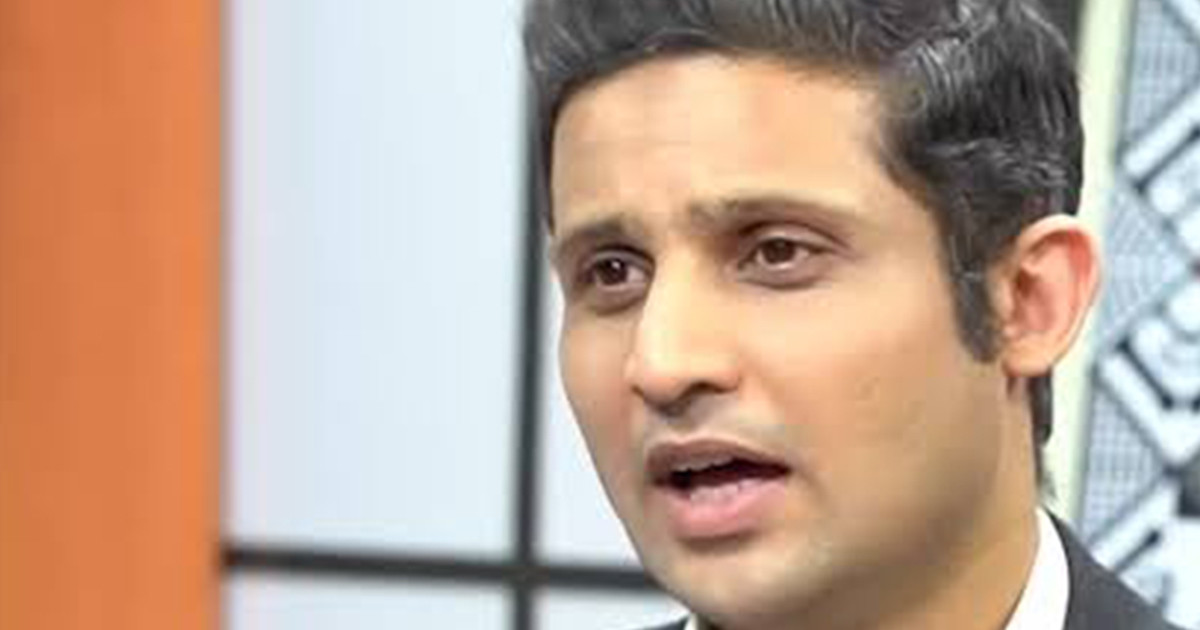
ISLAMABAD— District Judge Murid Abbas on Saturday ordered the release of senior journalist Khalid Jameel, who had been arrested by the Federal Investigation Agency (FIA) a day earlier from Islamabad’s Media Town.
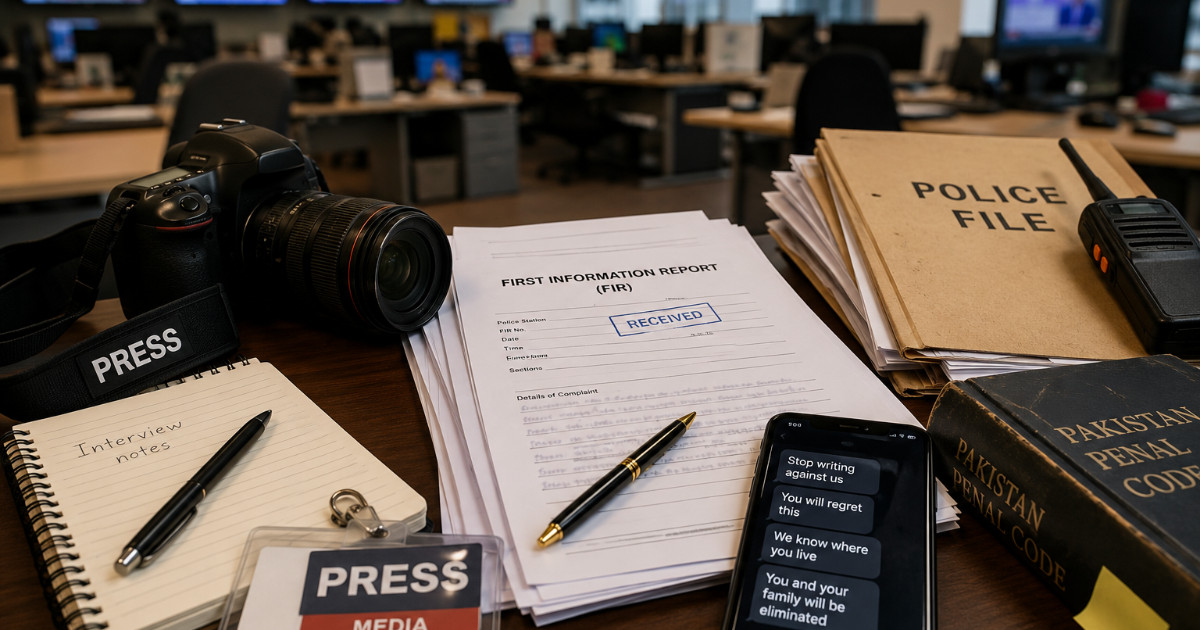
Jameel was detained and handcuffed over a series of tweets in which he recounted historical events, including the Kargil conflict, the Indo-Pak wars, and the Siachen standoff. Authorities accused him of “defaming state institutions” through his posts.
During the hearing, prominent journalist Matiullah Jan reported that Judge Abbas invoked Article 19 of Pakistan’s Constitution, which guarantees freedom of expression. The judge directed the immediate removal of Jameel’s handcuffs and observed that the journalist’s tweets were based on historical facts rather than slander or defamation.
“The state’s response was not justice, but overreach,” the judge remarked, stressing that criticism or narration of past events cannot be equated with an attack on national security.
Matiullah Jan further noted that the judge’s ruling sends a strong message to superior court judges, calling it “a great lesson in upholding fundamental rights and judicial independence.”
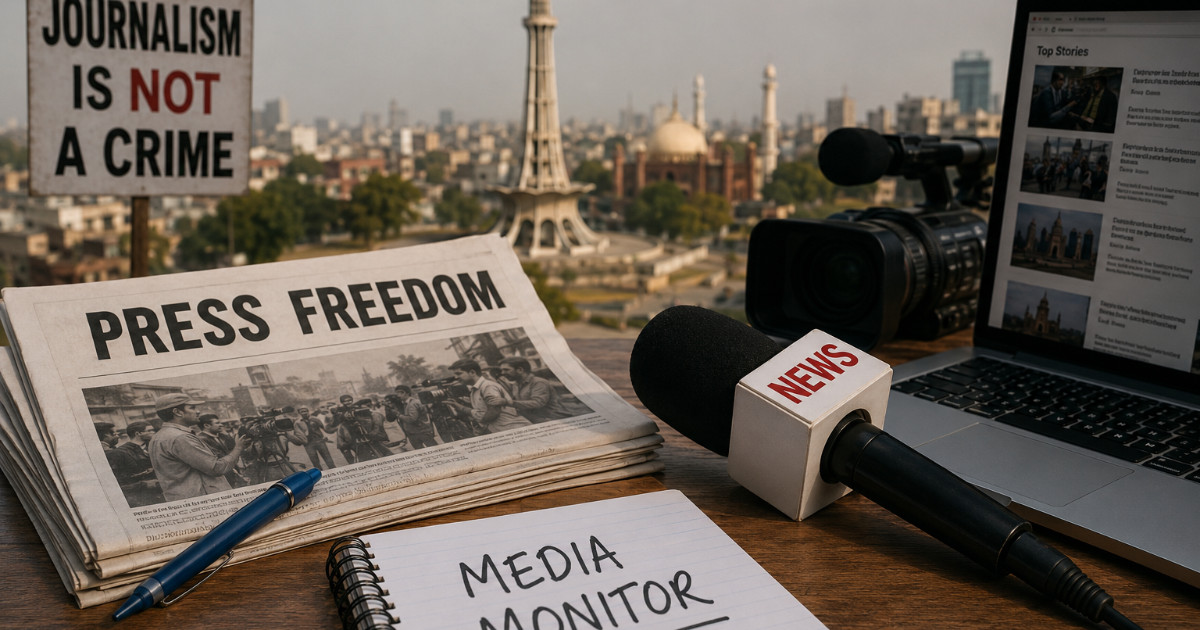
The case has drawn sharp reactions from media rights groups and journalists, who saw Jameel’s arrest as part of a wider crackdown on press freedom in Pakistan under the controversial Prevention of Electronic Crimes Act (PECA).
After his release, Khalid Jamil expressed gratitude to all those who had called for his freedom, particularly fellow journalists.
When asked about his night in custody, he replied with resilience: “No matter how dark the night is, it is followed by morning.”
Jamil said that despite political turmoil and mounting challenges, he remains optimistic about Pakistan’s future. “It is because of that hope that we have been given this relief (my release),” he noted.
In a tongue-in-cheek remark, he added that success comes when faith is strong — and when you have “Iman (Mazari) and Hadi with you.” He warmly thanked lawyers Iman Mazari and Hadi for their legal support.
Reflecting on his career, Jamil reminded that he has been in journalism since 1997. “These ups and downs are part of a journalist’s life,” he said, though he acknowledged that pressures have intensified. “There is more intensity in problems and more intensity in repression. There is less tolerance in state institutions.”
Frequent arrests of journalists, Jamil argued, reveal the weakness of the state’s stance: “It shows that the other side is without justification and valid arguments.”
Key Points
- Judge Murid Abbas ruled tweets by Khalid Jameel are historical facts.
- Jameel was arrested by the FIA over accusations of defaming state institutions.
- The judge highlighted Article 19 of Pakistan's Constitution.
- The case is seen as part of a broader crackdown on press freedom.
- Jameel expressed gratitude to supporters and remains optimistic for Pakistan's future.
Relevant Topics
Ask AI: Understand this story your way
AI EnabledDig deeper, ask anything — get instant context, background, and clarity.
Disclaimer: This feature is powered by AI and is intended to help readers explore and understand news stories more easily. While we strive for accuracy, AI-generated responses may occasionally be incomplete or reflect limitations in the underlying model. This feature does not represent the editorial views of JournalismPakistan. For our full, verified reporting, please refer to the original article.