.png)
Interview details widow's pursuit of justice for Arshad Sharif
JournalismPakistan.com | Published: 5 February 2026 | JP Staff Report
Join our WhatsApp channel
An interview published by Columbia University’s Global Freedom of Expression examines Pakistani journalist Javeria Siddique’s ongoing legal battle in Pakistan and Kenya following the killing of her husband, Arshad Sharif.Summary
ISLAMABAD — A new interview published by Columbia University’s Global Freedom of Expression examines Pakistani journalist Javeria Siddique’s ongoing legal and public campaign seeking accountability for the killing of her husband, prominent journalist Arshad Sharif, who was shot dead in Kenya in October 2022 while living in exile.
The interview, part of the platform’s Jurisprudence in Focus series, was conducted by CGFoE Senior Communications Manager Marija Šajkaš through written correspondence. It documents Siddique’s efforts to pursue parallel legal proceedings in Pakistan and Kenya, as well as the personal and professional repercussions she says she has faced since speaking out.
Sharif left Pakistan in 2022 after facing multiple criminal cases, including sedition charges, and receiving threats linked to his televised criticism of powerful institutions. After relocating first to Dubai and later to Kenya, he was fatally shot by police at a roadside checkpoint, an incident Kenyan authorities initially described as a case of mistaken identity.
Legal proceedings in two jurisdictions
Siddique told CGFoE that no individual has been held criminally accountable for the killing for more than three years. In Kenya, a High Court ruled that Sharif’s death constituted murder rather than an accident and ordered further investigation. That case is now before the Supreme Court of Kenya, according to the interview, though Siddique said progress has been slow.
In Pakistan, Siddique pursued petitions related to threats against Sharif prior to his departure and the circumstances surrounding his death abroad. She described the process as protracted and restrictive, saying she was repeatedly denied the opportunity to address the court directly and felt treated as a suspect rather than a victim.
On February 3, 2026, Pakistan’s Federal Constitutional Court disposed of the case concerning Sharif’s killing. The court held that, given law enforcement cooperation between Kenya and Pakistan, there was no need for further judicial intervention. Siddique told CGFoE she was “in extreme grief and disappointed” by the decision.
Media pressure and legal environment
In the interview, Siddique linked her husband’s exile and death to a broader pattern of pressure on journalists in Pakistan. She said Sharif’s television program was taken off air, and that multiple cases were filed against him before he left the country, developments she described as aimed at silencing critical reporting.
She also discussed the current media environment, citing the Prevention of Electronic Crimes (Amendment) Act 2025 as a key concern for journalists and activists. Siddique said the law’s provisions on online content and misinformation have been criticized by rights groups for expanding state powers and increasing the risk of self-censorship.
The interview further documents Siddique’s claims of harassment linked to her advocacy, including visits by unidentified individuals to her home in late 2025 and early 2026, and online campaigns targeting her reputation. She said police did not formally register her complaints, adding to her sense of vulnerability.
WHY THIS MATTERS: The case underscores how unresolved killings of journalists can intersect with legal uncertainty and regulatory pressure on media in Pakistan. For newsrooms, it highlights the risks faced by reporters who flee abroad and the limits of cross-border accountability mechanisms. It also illustrates how cyber laws and court processes can shape journalists’ willingness to pursue sensitive investigations.
ATTRIBUTION: Reporting based on an interview published by Columbia University’s Global Freedom of Expression, with statements attributed to Javeria Siddique.
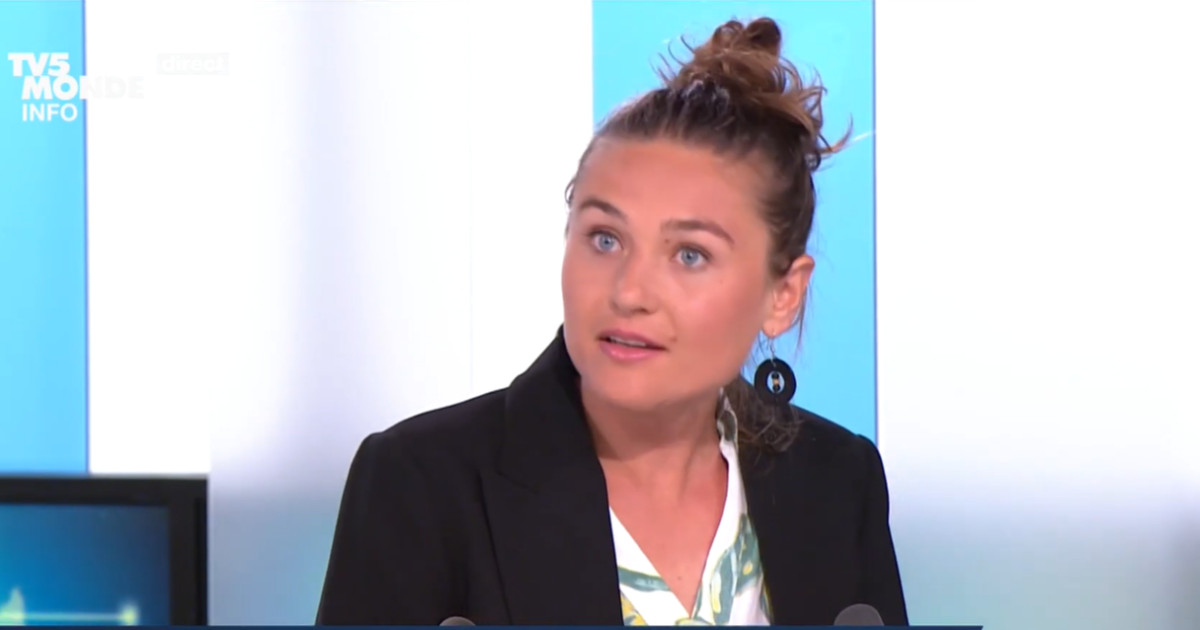
PHOTO: Javeria Siddique (Facebook)
Key Points
-
Global Freedom of Expression published an interview with journalist Javeria Siddique.
-
Siddique is pursuing justice for Arshad Sharif’s killing in Pakistan and Kenya.
-
A Kenyan court ruled Sharif’s death was murder, not an accident.
-
Pakistan’s Federal Constitutional Court closed the related case in February 2026.
-
Siddique reports harassment linked to her advocacy.
-
The case highlights ongoing press freedom concerns in Pakistan.
Ask AI: Understand this story your way
AI EnabledDig deeper, ask anything — get instant context, background, and clarity.
Disclaimer: This feature is powered by AI and is intended to help readers explore and understand news stories more easily. While we strive for accuracy, AI-generated responses may occasionally be incomplete or reflect limitations in the underlying model. This feature does not represent the editorial views of JournalismPakistan. For our full, verified reporting, please refer to the original article.