
Unveiling the truth: Why Pakistani TV channels are losing credibility
JournalismPakistan.com | Published: 17 June 2024 | Truth Teller
Join our WhatsApp channel
Pakistani TV channels are experiencing a significant decline in credibility driven by factors such as sensationalism and political bias. This analysis discusses the implications of these issues on public trust and media integrity.Summary
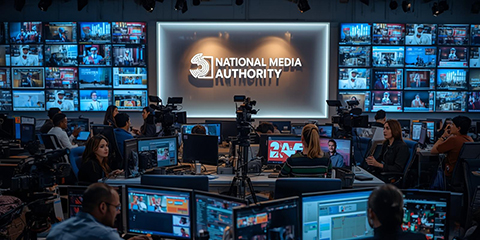
ISLAMABAD—In recent years, Pakistani TV channels have faced a significant decline in credibility, causing concern among viewers and media analysts alike. This decline is not just a matter of perception but is backed by various factors that have eroded public trust. In this comprehensive analysis, we delve into the reasons behind this phenomenon, exploring the various dimensions that have contributed to the loss of credibility of Pakistani TV channels.
Sensationalism Over Substance
One of the primary reasons for the loss of credibility is the increasing trend towards sensationalism. News channels are prioritizing sensational stories over substantive reporting. The focus has shifted from delivering accurate news to attracting higher viewership through sensational headlines and dramatic presentations. This approach not only misleads the audience but also undermines the integrity of journalism.
Impact of Sensationalism on Public Trust
Sensationalism creates a cycle of mistrust. When audiences repeatedly encounter exaggerated news, they begin to doubt the authenticity of the information presented. This skepticism extends beyond individual news stories, leading to a generalized distrust of the media as a whole. Consequently, the audience becomes more discerning and critical, seeking out alternative news sources that they perceive as more credible.
Political Bias and Influence
Another significant factor is the political bias prevalent in Pakistani TV channels. Media houses often align themselves with political parties or ideologies, compromising their objectivity. This alignment is evident in the way news is reported, with channels sometimes acting as mouthpieces for political entities rather than independent watchdogs.
Consequences of Political Bias
The consequences of political bias are far-reaching. Viewers can often identify the slant in reporting, which diminishes the perceived impartiality of the channels. When a news channel consistently supports a particular political narrative, it alienates a portion of the audience that holds opposing views. This alienation leads to a polarized audience base, further eroding the channel's overall credibility.
Lack of Investigative Journalism
Investigative journalism has historically been a cornerstone of credible news reporting. However, Pakistani TV channels have seen a decline in this form of journalism. Investigative reporting requires time, resources, and a commitment to uncovering the truth, often at great personal and professional risk. Unfortunately, many channels opt for easier, more profitable forms of content production.
The Importance of Investigative Journalism
Investigative journalism plays a crucial role in holding power to account and exposing injustices. Its decline means that many important stories remain untold, and the public remains uninformed about issues that directly affect their lives. This gap in reporting contributes to the perception that TV channels are not fulfilling their role as the fourth estate, thus losing credibility.
Commercial Pressures and Advertiser Influence
Commercial pressures also play a significant role in shaping the content on Pakistani TV channels. Reliance on advertising revenue means that media outlets often prioritize the interests of advertisers over journalistic integrity. This dynamic can lead to conflicts of interest, where negative stories about major advertisers are downplayed or ignored.
Impact of Advertiser Influence
When viewers become aware of the undue influence advertisers have on news content, it raises questions about the independence of the media. This skepticism is particularly strong when there are visible discrepancies in reporting standards. The public begins to question whether the news they are consuming is objective or manipulated to serve commercial interests.
Decline in Ethical Standards
The decline in ethical standards among journalists and media houses is another critical factor. Ethical journalism demands accuracy, fairness, and accountability, but these principles are often compromised in the race for higher ratings and revenue. Instances of plagiarism, misreporting, and lack of source verification are becoming increasingly common.
Consequences of Compromised Ethics
When ethical standards are compromised, the credibility of the entire news organization is at stake. Audiences expect journalists to adhere to high ethical standards, and any deviation from these expectations can lead to a significant loss of trust. Ethical breaches are particularly damaging in the digital age, where news spreads rapidly and inaccuracies can quickly be exposed.
Proliferation of Fake News
The proliferation of fake news and misinformation has also contributed to the erosion of the credibility of Pakistani TV channels. With the rise of social media, fake news spreads faster and more widely than ever before. TV channels, in their haste to break news first, sometimes fall prey to sharing unverified information.
Challenges in Combatting Fake News
Combating fake news requires robust verification processes and a commitment to accuracy over speed. However, the competitive nature of the media industry often places speed above accuracy. This practice can backfire, leading to the dissemination of false information and further diminishing public trust in TV news.
Viewer Perception and Engagement
Ultimately, the perception of credibility is shaped by the viewers themselves. Viewer engagement with news channels is influenced by their perception of the channel’s reliability and trustworthiness. Channels that fail to engage viewers with credible content risk losing their audience to more reliable sources.
Restoring Credibility
Restoring credibility is a challenging but essential task for Pakistani TV channels. It requires a concerted effort to prioritize ethical journalism, reduce sensationalism, and ensure political neutrality. Investing in investigative journalism and maintaining rigorous editorial standards are crucial steps in this process. Additionally, transparent relationships with advertisers and a commitment to accuracy can help rebuild trust with the audience.
The credibility of Pakistani TV channels has been undermined by various factors, including sensationalism, political bias, commercial pressures, ethical lapses, and the spread of fake news. Addressing these issues is imperative for the media to regain public trust and fulfill its role as a pillar of democracy.
KEY POINTS:
- Sensationalism undermines journalistic integrity and misleads viewers.
- Political bias compromises objectivity and alienates diverse audiences.
- Decline in investigative journalism results in untold important stories.
- Commercial pressures lead to conflicts of interest in reporting.
- Proliferation of fake news diminishes public trust in media.