
Hong Kong warns foreign media after deadly Tai Po fire
JournalismPakistan.com | Published: 8 December 2025 | JP Asia Desk
Join our WhatsApp channel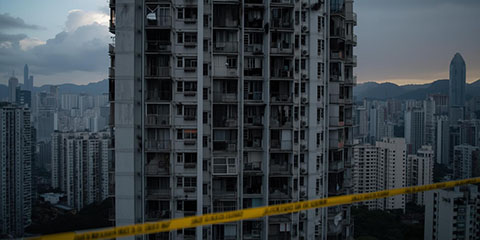
A devastating fire in Tai Po has resulted in at least 159 fatalities. In response, Hong Kong's authorities have heightened restrictions on media coverage and detained a commentator.Summary
HONG KONG — Hong Kong’s national security office has summoned international media organisations and detained a local commentator over reporting of the deadly fire at the Wang Fuk Court housing estate in Tai Po, sources said as the city reels from the tragedy. The blaze, which killed at least 159 people, has already sparked public anger, but now coverage itself has become a flashpoint under tightened controls that critics warn amount to silencing dissent.
Authorities leverage security tools to control coverage
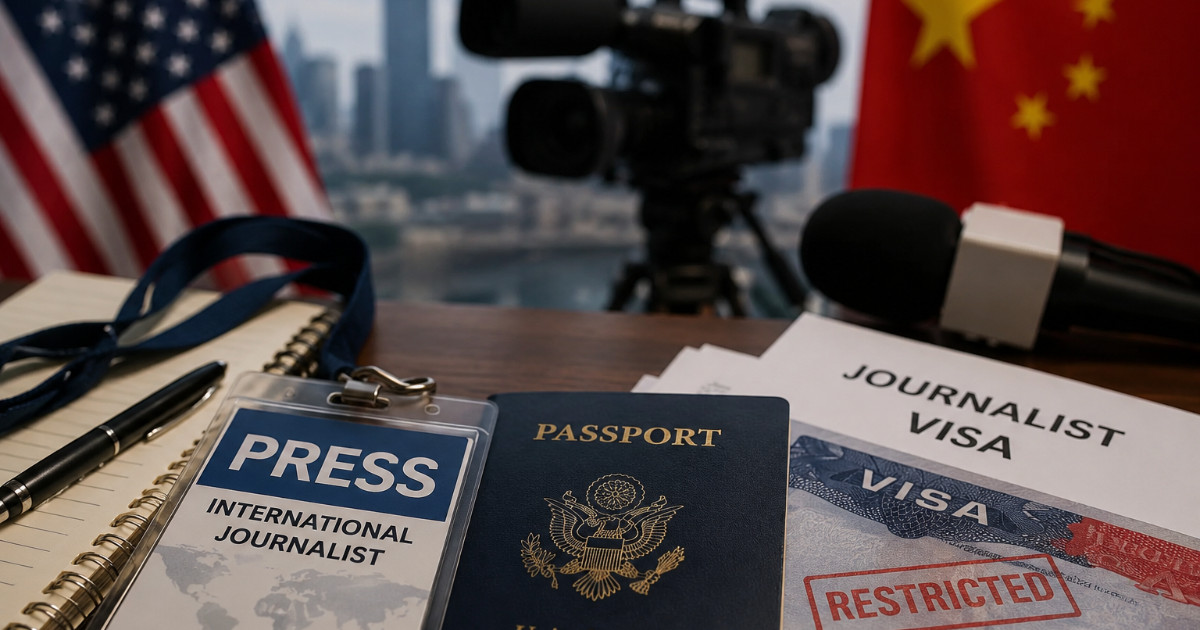
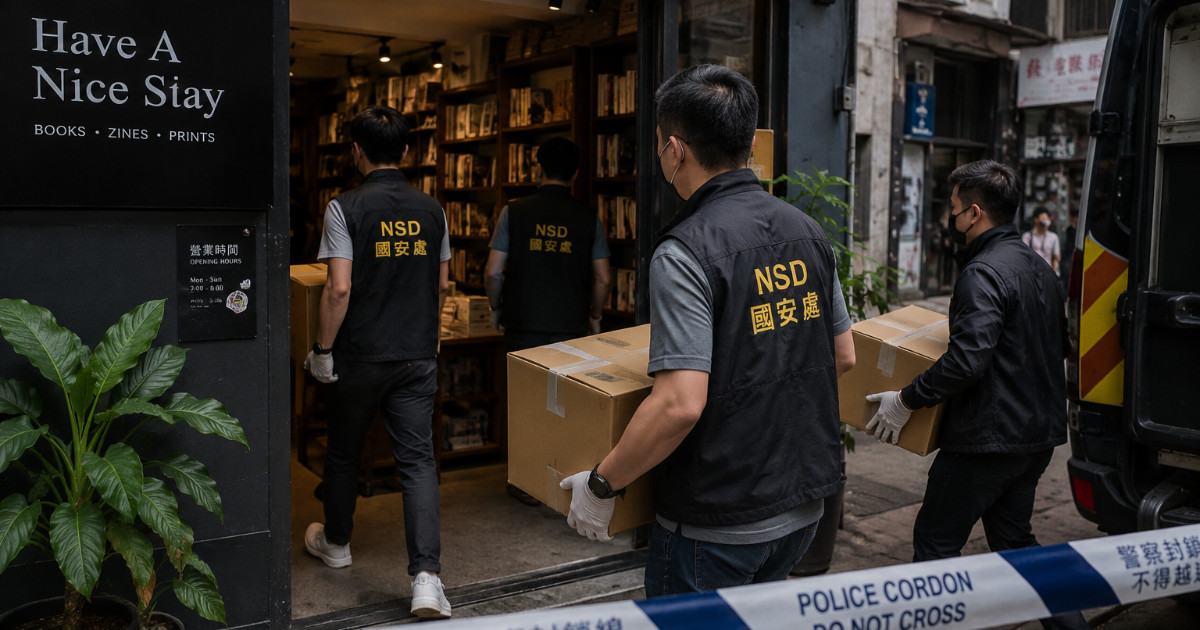
On December 6, the Office for Safeguarding National Security (OSNS) in Hong Kong convened a rare meeting with journalists from major international outlets, warning them not to spread what officials described as “false information,” “smear campaigns,” or to interfere with the city’s upcoming legislative elections. No specific examples of problematic reporting were provided, and journalists were not given a forum to ask questions.
That same day, the police confirmed the arrest of Wong Kwok-ngon (also known as Wong On-yin), a columnist and commentator who had criticised the official fire response and urged accountability. Police accused him of posting content with “seditious intent” online, alleging it provoked hatred toward the government and interfered with the ongoing investigation.
Impact on press freedom and newsrooms
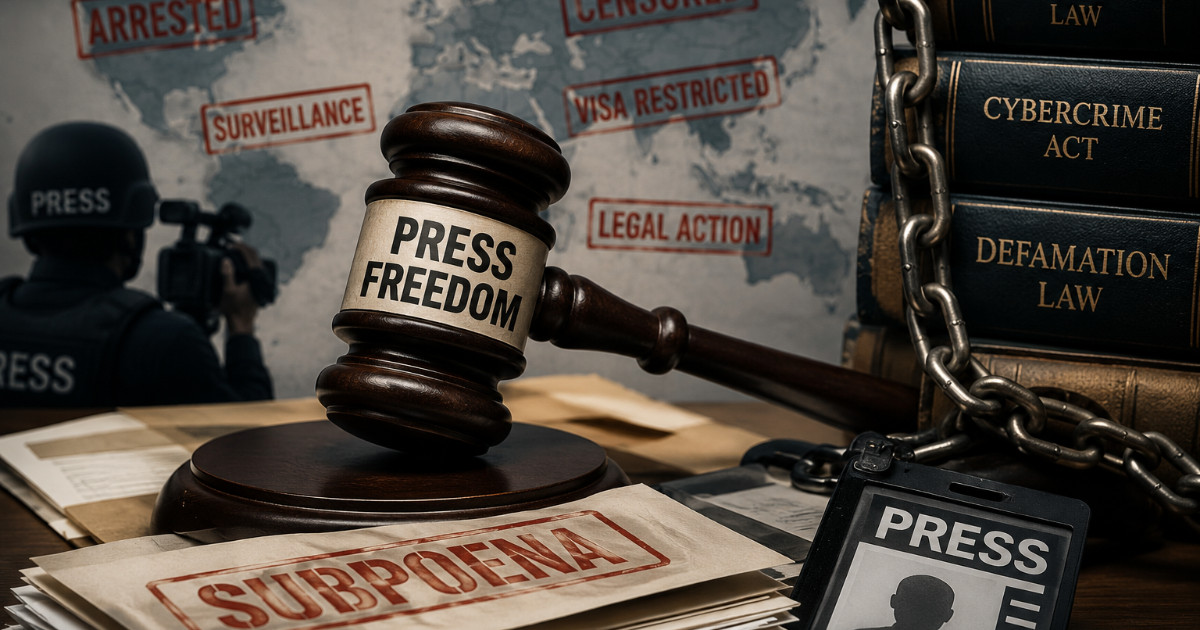
Rights groups, including the Committee to Protect Journalists (CPJ), condemned the escalation and warned that the move constitutes an alarming crackdown on the press and public debate in Hong Kong. The warning to foreign media, coupled with a journalist’s detention, signals a suppression of independent coverage just as the public demands answers.
For media organisations and journalists working in or on Hong Kong, the incident has immediate implications. Newsrooms may need to reassess their risk exposure when covering this tragedy or future disasters, especially under the increasingly broad interpretation of national security laws.
Wider context of civic suppression
The crackdown comes in the wake of the city’s worst fire in decades, a disaster that has shaken public trust. Critics argue that the authorities are using the tragedy as a pretext to tighten control over media, civil society, and public mourning. Some observers say the move resembles prior efforts post-2019 to curtail dissent, now extended to disaster reporting and commentary.
ATTRIBUTION: Reported by Reuters and the Committee to Protect Journalists
PHOTO: AI-generated; for illustrative purposes only
Key Points
- Foreign media summoned over Tai Po fire coverage
- Commentator Wong Kwok-ngon arrested for online posts
- Authorities cite false information and security concerns
- Rights groups warn of tightened press controls
- Newsrooms face higher reporting and legal risks
Relevant Topics
Ask AI: Understand this story your way
AI EnabledDig deeper, ask anything — get instant context, background, and clarity.
Disclaimer: This feature is powered by AI and is intended to help readers explore and understand news stories more easily. While we strive for accuracy, AI-generated responses may occasionally be incomplete or reflect limitations in the underlying model. This feature does not represent the editorial views of JournalismPakistan. For our full, verified reporting, please refer to the original article.